
Sliding Glass Doors for Home Office Spaces
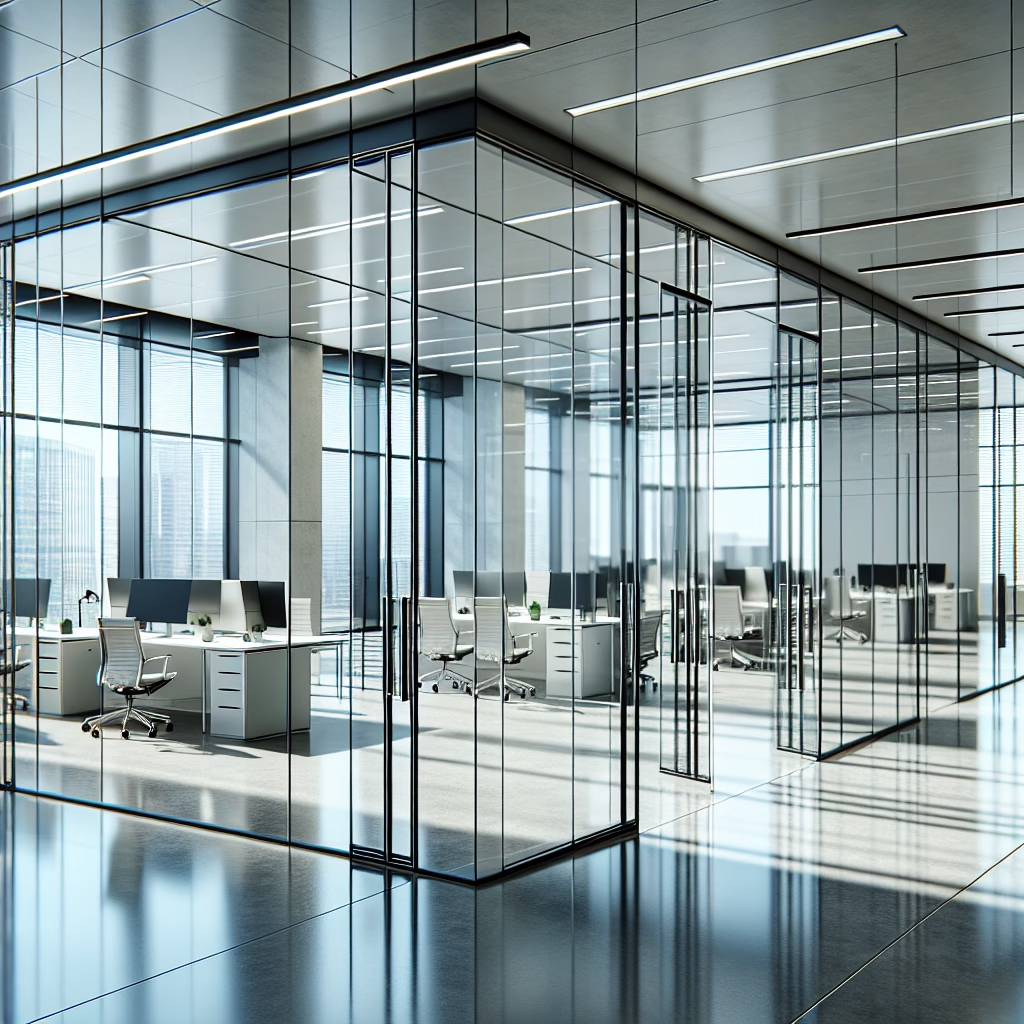
Sliding Glass Doors for Home Office Spaces
That spare bedroom works fine as an office until the first video call starts, the hallway gets noisy, and the room suddenly feels smaller than it is. Sliding glass doors for home office spaces solve a very specific problem – they create separation without cutting off light, sightlines, or the clean look most homeowners want.
For design-conscious homeowners, the appeal is obvious. A glass enclosure makes a work zone feel intentional instead of temporary. For practical buyers, the value goes deeper. The right system improves acoustic control, preserves floor space, and gives you a more flexible layout than a traditional swing door can.
Why sliding glass doors for home office layouts work so well
A home office has to do two things at once. It needs to function like a real workspace, but it also has to live comfortably inside the home. That balance is where sliding glass systems stand out.
A standard hinged door claims clearance every time it opens. In a smaller office, that swing path can interfere with desks, storage, or circulation. Sliding glass doors move along a track, so the room stays usable from wall to wall. That matters in compact floor plans, condo conversions, and multi-use spaces where every inch needs to perform.
Glass also changes the feel of the room. Solid partitions can make a home office feel isolated or boxed in, especially when natural light comes from only one direction. A glass door system helps distribute light across adjacent areas, which can make both the office and surrounding space feel larger, brighter, and more finished.
There is also the visibility factor. Some homeowners want full transparency to keep the room connected to the rest of the home. Others want a more private office that still feels open. Frosted, tinted, or partially obscured glass can shift the balance depending on how you work and where the office sits in the floor plan.
What to look for in sliding glass doors for home office use
Not all sliding systems perform the same way. If the goal is daily use, not just visual impact, a few technical details matter more than most buyers expect.
Quiet operation matters more than you think
In a home office, sound is not just about privacy. It is also about distraction. A door that rattles, drags, or slams becomes irritating fast, especially if you open and close it throughout the day. A well-engineered sliding system should move smoothly and quietly, with hardware designed for consistent operation over time.
This is one of the biggest differences between a design feature and a functional architectural solution. Premium systems are built to handle repeated use without losing alignment or developing noise issues after a year of service.
Safety should be engineered into the system
Glass in a residential workspace should never feel delicate. Tempered safety glass, secure panel retention, and stable wheel mechanisms all matter. If the door is large, heavy, or installed in a high-traffic part of the home, hardware quality becomes even more important.
A bottom-wheel locking design can provide added stability and performance, particularly in systems built for long-term use. That is the kind of detail many homeowners do not ask about at first, but it directly affects how secure and solid the door feels every day.
Custom sizing usually delivers the best result
Home offices are rarely built to one standard opening. Some are carved out of loft spaces, some occupy former dining rooms, and some need full glass enclosures across wider spans. Standard sizes can work, but custom sizing often creates the cleaner outcome because the system is built to the actual opening instead of forcing the opening to fit the product.
That means tighter proportions, better visual balance, and a more integrated look with the surrounding architecture. It also reduces the compromises that can happen when filler pieces, awkward gaps, or undersized panels are used to make an off-the-shelf option fit.
Choosing the right glass for your work style
The best glass choice depends on how private your office needs to be and how much visual connection you want to keep.
Clear glass works well when the priority is openness and maximum light transfer. It is especially effective in homes where the office is located away from the busiest activity zones, or where the homeowner wants the room to read as part of a larger modern interior.
Frosted glass adds privacy without making the office feel closed off. It is often the better option for professionals who spend a lot of time on calls, handle sensitive information, or simply prefer less visual interruption during the workday. It still allows light through, but softens visibility enough to create a stronger sense of separation.
Tinted or smoked glass can deliver a more dramatic architectural look. It can also reduce glare in some environments, although it will cut more light than clear glass. In a home office with strong daylight exposure, that trade-off may be worth it. In a darker room, it may not.
Where sliding systems make the biggest impact
The strongest applications are usually the ones where the office needs definition without permanent heaviness. A few common examples stand out.
A spare bedroom office benefits from replacing a traditional door with a glass slider when the room feels enclosed or underlit. A nook office in a loft or open-plan home often needs a full-height partition and sliding entry to establish a true work zone. A dining room conversion can gain privacy while still preserving the visual flow of the main living area.
For households with multiple people at home during the day, the impact is even more practical. Parents working near active family spaces often need a door they can close during calls, then reopen when the workday ends. In that context, the office should not feel hidden away like a storage room. It should feel integrated, polished, and easy to use.
Design details that keep the office looking high-end
A sliding glass door can elevate a home office, but only if the details are disciplined. Slim framing usually creates the most contemporary appearance. Cleaner sightlines make the glass feel architectural rather than decorative.
Hardware finish matters too. Matte black offers contrast and a more defined frame. Aluminum and softer metallic finishes tend to feel lighter and more minimal. The right choice depends on the rest of the home, but consistency matters more than chasing a trend.
Panel scale is another detail that affects the final look. Larger panels often feel more premium because they reduce visual breaks. That said, the best panel size depends on the opening width, ceiling height, and how often the door will be operated. Bigger is not always better if it makes the panel too heavy for comfortable daily use.
Installation and planning considerations
Before choosing a system, it helps to think about the wall condition, opening width, and how the panel will stack when open. Sliding doors need a clear path, whether along the wall or within a framed enclosure. That sounds obvious, but it can affect furniture placement, light switches, outlets, and trim details.
You also need to think realistically about privacy expectations. Glass doors improve separation, but they do not create the same acoustic seal as a fully insulated solid wall assembly. For many home office users, the balance is right – enough control for calls and focus, with far better light flow and a stronger visual result. But if complete sound isolation is the top priority, that should be addressed early in the design process.
Professional measurement and installation support can make a major difference, especially with custom systems. Precision matters with glass. A clean installation is not just about appearance. It affects how smoothly the door operates, how stable it feels, and how well the final enclosure performs over time.
A better long-term solution than a temporary office fix
Many home offices still look improvised because they were created quickly and never fully finished. Sliding glass doors for home office spaces change that. They turn a work area into a defined, durable part of the home while keeping the interior open, bright, and efficient.
For buyers who care about design, that means a cleaner modern result. For buyers focused on performance, it means a system built for safety and daily use, with quiet operation and custom-fit potential. Doors22 approaches these spaces the same way it approaches larger architectural interiors – as solutions that should look refined, work reliably, and be designed to last for decades.
If your current office setup feels like a compromise, the right glass sliding system can make it feel planned at last – not closed off, not makeshift, just properly built for the way you live and work.
.png) Share this post with others
Share this post with others


