
Sliding Glass Door Installation Cost Guide
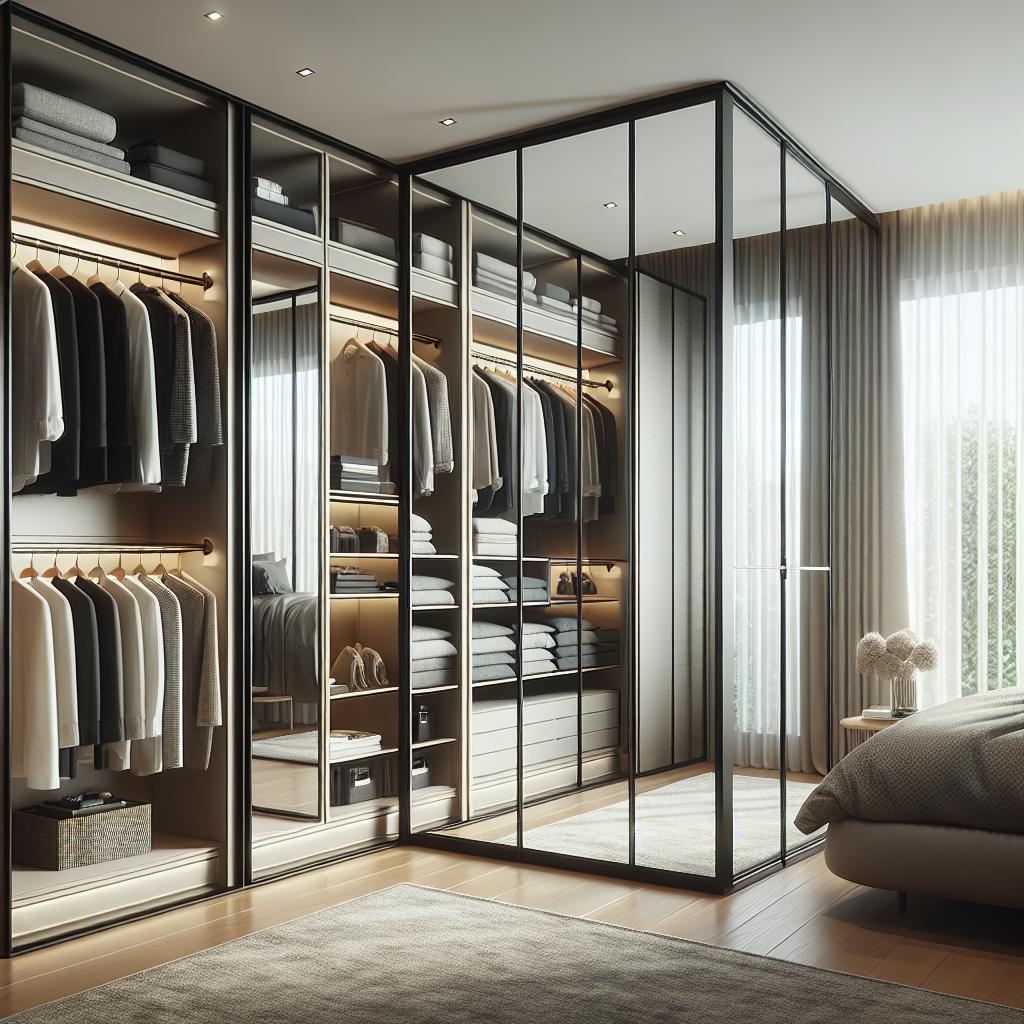
Sliding Glass Door Installation Cost Guide
A sliding glass door can change how a room works in a single day. It opens sightlines, improves light flow, and saves floor space that a swing door would otherwise consume. But sliding glass door installation cost varies more than most buyers expect, especially when the project involves custom sizing, premium glass, or a commercial-grade system built for daily use.
For design-conscious homeowners and commercial buyers alike, the real question is not just what the door costs. It is what level of performance, safety, and finish quality you are paying for. A low upfront number can look appealing until you factor in noisy rollers, weak hardware, limited adjustability, or a door that was not engineered for long-term use.
What affects sliding glass door installation cost?
The biggest driver is the door system itself. A basic interior sliding glass door with standard clear tempered glass and off-the-shelf hardware will land at a very different price point than a custom partition-style system designed for a home office, conference room, closet opening, or flexible commercial interior.
Size matters immediately. Wider openings need larger panels, heavier-duty track systems, and often more precise installation. Height can also push cost higher because taller glass panels require careful handling, stronger support, and more attention to alignment.
Glass specification is another major factor. Clear tempered glass is often the baseline, but many projects require frosted glass for privacy, laminated glass for added acoustic control, or thicker glass for a more substantial architectural look. Each upgrade improves function, but each one also increases material and installation cost.
Hardware quality has an outsized effect on long-term value. Premium systems cost more because they are built for safety and performance. Better rollers move more quietly. Better tracks stay aligned. Better locking and anti-jump features reduce maintenance issues and create a more secure everyday experience. In commercial settings and high-use residential spaces, that upgrade usually pays off.
Typical price ranges for interior sliding glass doors
For a basic interior application, many buyers see entry-level installed pricing start around $1,000 to $2,500 for a straightforward single-door setup using standard materials. That range usually reflects simpler hardware, standard dimensions, and a relatively easy install.
Mid-range systems often fall between $2,500 and $5,500 installed. This is where many residential room dividers, closet doors, and home office enclosures land. In this range, buyers typically expect better hardware, cleaner finishes, safer glass, and a more refined appearance.
Custom and commercial-grade systems can move well beyond that, often reaching $5,500 to $12,000 or more depending on the number of panels, framing details, site conditions, and level of customization. A demountable glass office enclosure, conference room slider, or wide-span multi-panel room divider is a different product category from a simple door slab on a barn-door-style track. The cost reflects that difference.
That spread is why quoting interior glass systems without measurements is rarely accurate. Two projects can look similar in photos and have completely different pricing once engineering, finish, and installation conditions are considered.
Labor is not a minor line item
Labor can represent a significant share of sliding glass door installation cost, especially when the installer is working with heavy glass, finished interiors, or nonstandard openings. Straightforward replacement work tends to cost less than a first-time installation that requires layout adjustments, structural backing, or finish coordination.
In residential spaces, labor may range from a few hundred dollars for a simple install to several thousand for custom or multi-panel systems. In commercial projects, labor can increase further if the schedule requires after-hours work, building management coordination, or precise integration with adjacent glass partitions.
Site conditions shape labor more than many buyers realize. Uneven floors, out-of-plumb walls, limited elevator access, stair transport, and tight installation areas can all add time and complexity. If the opening is not ready when installers arrive, the project can quickly become more expensive.
This is one reason professionally coordinated systems often deliver better value than piecing together separate vendors. A well-designed product with clear installation requirements reduces surprises on site.
Custom vs. standard sizing
Standard sizing keeps costs lower because the system is easier to produce and easier to install. If your opening fits a standard width and height, you can often avoid engineering changes, custom glass fabrication, and specialty hardware modifications.
Custom sizing increases cost, but it often solves the right problem. In commercial interiors, exact-fit glass systems help create a finished architectural look without awkward filler pieces. In residential spaces, custom sizing can turn an underused opening into a polished room divider, home office enclosure, or closet solution that looks integrated rather than improvised.
The trade-off is straightforward. Standard sizing is more budget-friendly. Custom sizing gives you a better fit, a stronger visual result, and often better use of the space. For many buyers, especially those investing in premium interiors, that added precision is worth the price.
Material and design choices that raise or lower cost
Frameless and minimal-frame systems usually cost more than simpler framed options because they demand tighter tolerances and more refined hardware. The visual payoff is substantial. A cleaner sightline makes the room feel larger and more modern, which is often the goal in both offices and homes.
Soft-close or silent roller technology can also increase cost, but it improves everyday use. This matters in conference rooms, private offices, bedrooms, and home workspaces where slamming, rattling, or rough movement quickly becomes a problem.
Privacy treatments affect price too. Frosted or textured glass can increase the total project cost, but they solve a real functional issue in shared environments. For a conference room, salon suite, or home office, privacy is not a cosmetic extra. It is part of how the space performs.
Finish selection plays a role as well. Black, white, anodized, and specialty metal finishes can alter the price depending on the system and production method. Buyers focused on design consistency often find that finish upgrades are worth it because they tie the glass installation into the rest of the interior.
Commercial projects cost differently than residential ones
Commercial buyers should expect additional pricing layers beyond the door itself. Code considerations, product durability, hardware performance, and frequency of use all matter more in a business environment. A door in a private residence may be opened a few times a day. A conference room slider or office partition door may see constant daily traffic.
That changes the value equation. In a commercial setting, the cheapest option is often the most expensive over time if it creates service calls, alignment issues, or premature replacement. Systems designed to last for decades generally cost more upfront because they use better components and are engineered for repeat use.
Residential projects are often more flexible on specification, but aesthetics tend to matter more. Homeowners usually care deeply about visual lightness, quiet operation, and how the door integrates with flooring, wall finishes, and furniture layout. Those priorities can push the project into the mid-range or premium tier even when the installation itself is not especially complex.
How to budget more accurately
If you want a realistic number, start with the opening width, opening height, wall condition, floor condition, and the intended use of the door. A closet divider, a home office enclosure, and a commercial conference room slider are all sliding glass door applications, but they require different levels of performance.
It also helps to decide early whether privacy, acoustics, or a minimal architectural look matter most. Trying to optimize all three at the lowest possible cost usually leads to compromise. A better approach is to prioritize what the space needs to do every day and let the system specification follow that function.
Requesting a quote with clear measurements and photos is usually the fastest path to a usable budget range. Brands that specialize in interior glass systems can often spot issues early, recommend standard sizes where possible, and identify when custom fabrication will deliver a better result. Doors22, for example, positions this process around direct quoting and installation coordination, which is often what serious buyers need when timing and finish quality both matter.
Where buyers overspend and where they should not cut corners
Overspending usually happens when the product is specified beyond the needs of the space. If you do not need acoustic upgrades or specialty glass, keeping the system simpler can protect the budget without hurting performance.
Cutting corners on hardware, glass safety, or installation quality is a different story. Those are the areas that determine how the system feels after six months, not just on installation day. A properly engineered bottom-wheel or track system, high-quality tempered glass, and precise installation are not decorative upgrades. They are what make the door reliable, quiet, and safe.
A smart project is not necessarily the cheapest one. It is the one where the door fits the opening correctly, moves smoothly, supports the design of the space, and performs every day without becoming a maintenance issue.
If you are comparing quotes, look past the headline number. Ask what is included, how the system is built, and whether the installation approach matches the complexity of your space. The right sliding glass door should do more than close an opening – it should improve how the room looks, feels, and functions.
.png) Share this post with others
Share this post with others


