
Are Glass Walls Durable? What Holds Up Over Time
Are Glass Walls Durable? What Holds Up Over Time
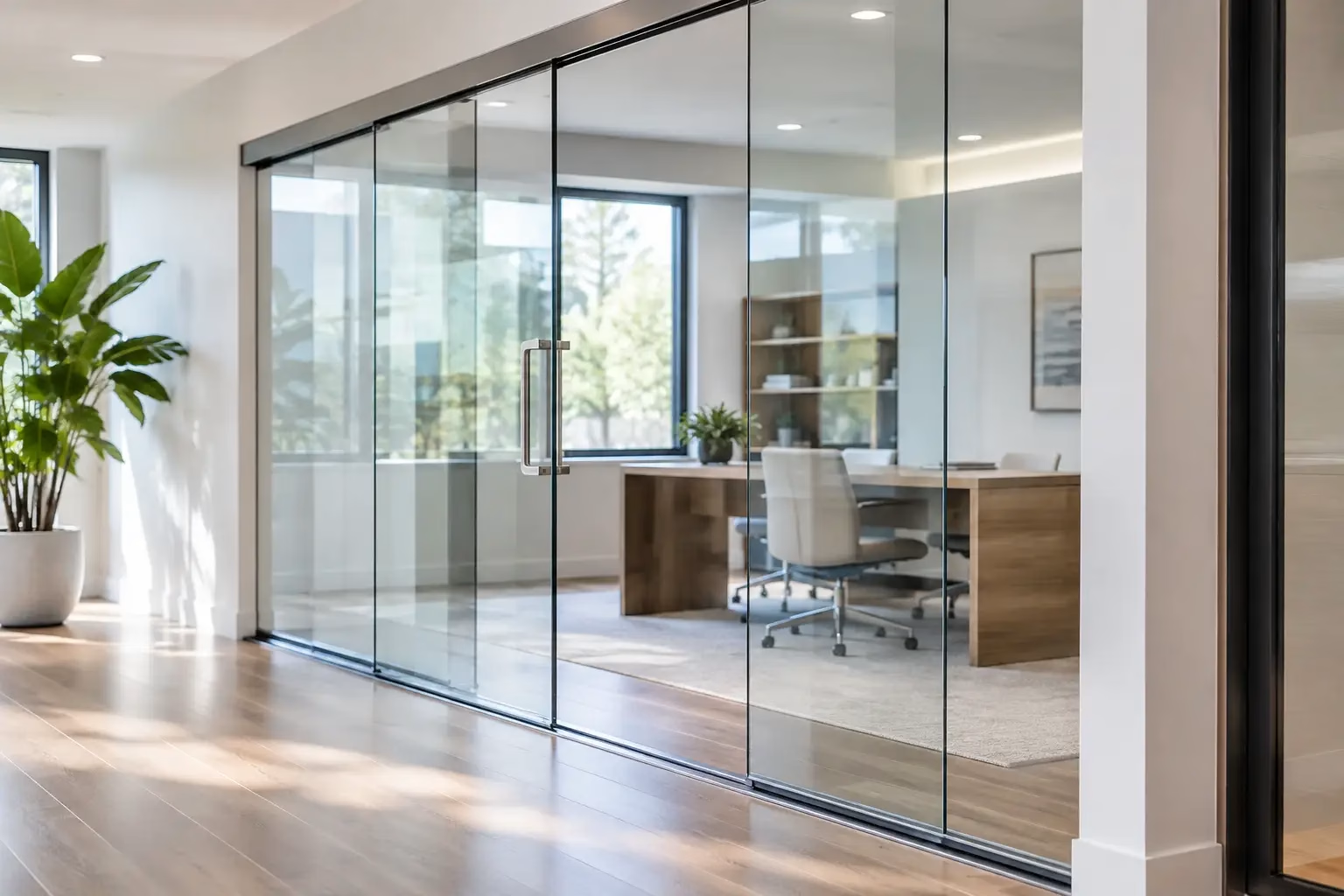
A glass wall in a conference room, private office, salon suite, or home office has to do more than look refined. It has to handle doors opening hundreds of times a week, moving furniture, changing layouts, cleaning crews, and daily contact without becoming a weak point in the space. So, are glass walls durable? When they are specified with the right safety glass, hardware, and installation method, they can perform reliably for decades.
The key is understanding that durability is not determined by the glass alone. The system matters: panel thickness, tempering or lamination, track design, connectors, door hardware, wall conditions, and the quality of installation all affect how well a glass partition performs over time.
Are Glass Walls Durable for Everyday Use?
Interior glass walls are highly durable when they are engineered for their intended use. Unlike standard window glass, architectural interior systems typically use safety glass designed to resist impact and reduce injury risk if breakage occurs. Tempered glass is common because it is substantially stronger than ordinary annealed glass of the same thickness. If it does break, it fractures into small granular pieces rather than sharp shards.
That strength makes tempered glass well suited to commercial offices, conference rooms, retail environments, and residential dividers. It resists the routine bumps, vibration, and handling that come with active interiors. A properly installed fixed panel has no hinges or moving parts to wear out, so its long-term performance is often exceptionally consistent.
Sliding and swing-door systems add mechanical components, but that does not make them fragile. It simply means the rollers, tracks, handles, pivots, and soft-close or locking mechanisms need to be specified for the panel weight and expected level of use. A light-duty residential closet door and a high-traffic office entry should not rely on the same hardware package.
What Makes a Glass Wall Last?
A durable glass partition is a complete engineered assembly, not a sheet of glass placed in an opening. Several details have an outsized effect on service life.
Safety glass selection
Tempered glass is a strong choice for most interior partition applications. It offers a clean appearance, reliable impact resistance, and the safety performance required for many locations where people may come into contact with the glass.
Laminated glass may be the better selection where added retention, sound control, or a specific safety requirement is needed. It consists of glass layers bonded with an interlayer. If damaged, the interlayer helps hold the fragments in place. This can be valuable for applications near doors, high-activity spaces, or projects with more demanding acoustic and safety goals.
The best option depends on the location, local code requirements, panel size, and how the wall will be used. More glass thickness is not automatically better. Correct engineering and compatible hardware matter more than choosing the heaviest possible panel.
Hardware designed for the panel weight
The hardware carries the working load in a sliding or operable glass wall. Tracks must remain straight and securely anchored. Rollers must be rated for the door panel, and fasteners must be appropriate for the framing or structural support behind the finished surface.
High-quality sliding systems use carefully designed wheel assemblies to support smooth movement without dragging or excessive vibration. On systems with bottom-wheel support and locking features, the door can stay aligned while maintaining stable, quiet operation. This is especially relevant in offices and homes where a glass door may be opened and closed throughout the day.
Poorly matched hardware can cause rattling, uneven gaps, difficult operation, and premature wear. The glass may be sound, but the system will not feel durable if the track or rollers are underbuilt for the job.
Proper anchoring and installation
Even premium materials cannot compensate for an unstable opening. Glass partitions need accurate measurements, level tracks, plumb walls, and solid anchoring points. In commercial projects, installers also need to account for ceiling conditions, flooring transitions, electrical elements, fire and life-safety requirements, and building movement where applicable.
This is where custom sizing provides a practical advantage. A system made to fit the actual opening can reduce field modifications and create cleaner panel alignment. For renovation projects, where walls and floors are rarely perfectly square, precision measurement is often the difference between a polished result and a system that requires ongoing adjustment.
A design that supports future changes
Traditional framed walls are durable, but changing them often creates demolition, dust, material waste, and downtime. Demountable glass wall systems approach durability differently: they are designed to remain useful even when the floor plan changes.
Panels can be removed, relocated, or reconfigured instead of discarded when an office adds private rooms, converts open desks into meeting areas, or adjusts its layout after a move. That flexibility can extend the practical life of the investment. The system is not only built to endure daily use; it can continue serving the space as business needs evolve.
The Real Trade-Offs of Glass Partitions
Glass walls are not indestructible, and a credible durability assessment should acknowledge where they need thoughtful planning.
First, glass can still break under a concentrated impact, especially at an exposed edge. Striking a panel with a hard metal object, allowing a moving cart to hit an unprotected edge, or forcing a door beyond its intended travel can cause damage. Tempered safety glass improves resistance and safety behavior, but it does not make a partition immune to abuse.
Second, standard glass partitions do not provide the same sound isolation as a fully insulated, sealed stud wall. Acoustic performance depends on the glass construction, gaps at the perimeter, door seals, ceiling conditions, and the overall room design. A conference room handling sensitive calls may need acoustic glass and carefully detailed seals, rather than a basic frameless setup.
Third, transparent surfaces show fingerprints, dust, and cleaning streaks more readily than painted drywall. The maintenance itself is simple, but frequent-touch areas such as pull handles and sliding-door edges need regular attention to preserve the clean appearance that makes glass walls appealing.
These are not reasons to avoid glass. They are reasons to select the right system for the environment rather than treating every interior opening the same way.
How Long Do Glass Walls Typically Last?
A fixed interior glass wall can last for decades with normal care. The glass does not rust, warp, or fade, and it will not absorb moisture like some wall finishes. Its visual clarity and structural performance remain stable when the panel is not damaged and the surrounding building conditions are maintained.
Operable glass partitions also have a long service life, though hardware is the component most likely to require periodic adjustment or replacement over many years. Rollers, guides, seals, and handles are subject to movement and touch. Choosing a system with serviceable components is a practical long-term decision, particularly for offices, medical practices, hospitality spaces, and high-use residential areas.
Durability is also influenced by how the space is managed. If a facility team knows not to wedge a sliding panel open, hang heavy items from door hardware, or use abrasive cleaning tools, the system will stay in better condition. For a home, that may mean teaching children not to slam a sliding door. For a workplace, it may mean including glass-partition care in routine facilities guidance.
Simple Maintenance That Protects Performance
Glass walls do not require complicated upkeep. Clean panels with a non-abrasive glass cleaner and a soft microfiber cloth. Avoid harsh scouring pads, aggressive solvents, or tools that can scratch the glass or damage finishes on tracks and handles.
For sliding systems, keep the track free of dust, grit, and debris that could interfere with smooth travel. Check periodically that visible fasteners remain secure and that the door closes, latches, or locks as intended. If movement becomes noisy, uneven, or resistant, address it early. Small alignment issues are easier to correct before they create added wear on rollers or guides.
Commercial property managers should schedule a periodic visual inspection, particularly after furniture moves or remodeling work. Homeowners can usually spot concerns during normal cleaning. A panel that suddenly rubs, shifts, or no longer closes cleanly deserves professional attention rather than repeated force.
Choosing a System Built for Long-Term Use
The most durable glass wall is one matched to the project from the start. A quiet home office enclosure may prioritize clean lines and smooth sliding operation. A busy executive suite may need heavier-duty door hardware, acoustic considerations, and a layout that can be reconfigured as teams grow. A salon suite may require privacy options and finishes that stand up to constant use.
Doors22 designs custom demountable glass office systems and interior sliding glass doors around those practical differences. Proper sizing, safety-focused glass, stable track design, and dependable operation are not decorative extras. They are the foundation of a partition that continues to look precise and work correctly after the first installation day.
Before selecting a glass wall, define how people will use the space five years from now, not just how it looks on opening day. That conversation leads to better glass choices, better hardware, and a partition that remains a useful part of the interior as the space changes.
 Share this post with others


