
Silencing the Divide: How Glass Room Dividers Enhance Sound Control
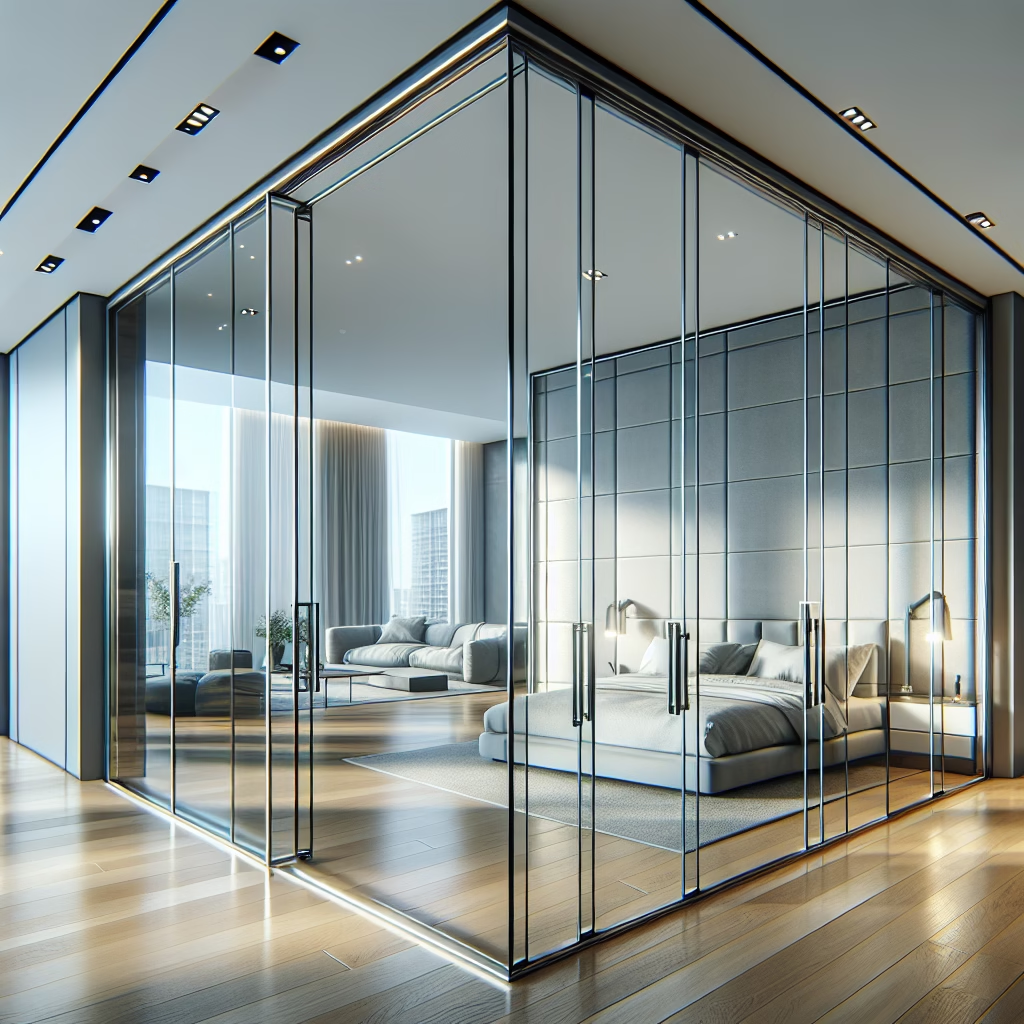
Silencing the Divide: How Glass Room Dividers Enhance Sound Control
Silencing the Divide: How Glass Room Dividers Enhance Sound Control
It’s funny how silence can feel so deafening sometimes. I remember attending a friend’s housewarming, where the open-plan living room flowed seamlessly into the kitchen. The initial laughter and clinking of glasses felt warm and inviting. But as the evening wore on, the conversations grew louder, each voice competing for airtime. That’s when I truly understood one of the subtle but vital challenges of these expansive spaces: sound control.
The Challenge of Open Spaces
Open layouts can be fantastic for fostering connection. They invite conversation and collaboration. However, they can also create a cacophony that can be overwhelming. I observed friends struggling to hear each other over the rising tide of chatter, laughter, and the occasional clattering of dishes. It struck me how sound, even when buoyed by joy, can become a barrier. That got me thinking about solutions—particularly, how enhancing sound control in such spaces could lead to a more enriching experience.
Enter Glass Room Dividers
Just as I was pondering this, I found myself at a design expo, where glass room dividers were the star of the show. At first glance, they seem delicate, almost ethereal, and yet, there’s something robust about their presence. I watched as attendees interacted with sections cordoned off by these striking installations. Conversations remained crisp and clear within the glass barriers, while the ambient buzz of the larger room created a gentle hum in the background. It was a revelation.
How Glass Enhances Sound Control
Glass room dividers act as transparent sound barriers, allowing light to flow freely while absorbing and redirecting sound. Unlike traditional walls, which can feel imposing, glass provides a sense of openness. Imagine a library filled with natural light—flashes of greenery outside, yet pockets of hushed conversations can emerge, undisturbed by the outside clamor. It’s a gentle balancing act. You can maintain an inviting atmosphere while still managing to encapsulate sound.
In my mind, they became synonymous with the idea of "silencing the divide." They separate spaces without sealing them off completely. I recall visiting a coworking space where glass dividers were strategically placed. People talked quietly in conference rooms, and the soft sound of typing in the backgrounds added a comforting rhythm. There was no jarring interruption, no abrupt shifts from the murmurs of one conversation to another. Rather, each sound seemed to blend into a larger composition without cluttering the air.
Practical and Aesthetic Value
The aesthetic appeal of glass room dividers cannot be ignored. The sleek modern lines and the shimmer of glass bring a contemporary elegance to any environment. Yet, it’s in their functionality where my admiration truly lies. They bring structures to an otherwise chaotic space, allowing for multiple zones without the clunky feel of thick walls.
Having witnessed the transformation in spaces like restaurants and offices, I’ve come to appreciate how they serve dual purposes. For instance, a bustling café might use glass dividers to create intimate nooks for patrons seeking a quiet conversation or a focused work session. They maintain an open feel while keeping noise levels in check—a necessity in crafting an inviting atmosphere.
The Psychology of Sound
Let’s not forget the psychological aspect of sound control. As I reflected on my friend’s housewarming party, I recognized that the overwhelming noise created an uneasy environment. In contrast, spaces with well-managed acoustics foster comfort and ease. The ability to engage in a hearty conversation while feeling somewhat cocooned inspires a sense of safety.
Glass room dividers play a crucial role in this. They create spaces where one can express themselves without the intimidation of overwhelming sound, where creativity can flourish away from disruptive noise. I envision cozy meetings in a thoughtfully designed office where ideas are shared effortlessly, all because the sound environment has been curated to reduce echo and interference.
The Forward-Thinking Approach
As urban buildings grow taller and space becomes a luxury, innovative design solutions like glass room dividers will increasingly come to the forefront. They’re not just a superficial trend; they represent a more thoughtful approach to designing our environments. We’re moving toward spaces that understand the intricacies of human interaction, environments that embrace the nuances of sound.
Having seen how these dividers can be integrated into various settings, from boutiques to tech offices, I realize they’re becoming essential. They allow for necessary boundaries while respecting space and light—a delicate dichotomy that promotes both interaction and solitude.
Finding Balance
Ultimately, it’s about balance. Glass room dividers enhance sound control while maintaining that alluring quality of openness. They remind us that we can create distinct environments without sacrificing connection.
My evenings spent in open-concept living spaces will forever carry rich memories, but they’ll also serve as a reminder of how important sound management is to fully enjoying an experience. As design continues to evolve, I feel hopeful about the future of our spaces, where silencing the divide isn’t just a clever phrase but a concept passionately embodied through thoughtful architecture.
In considering how far we’ve come and where we’re headed, I’m excited to be part of a world where we select design elements that harmonize functionality with aesthetics. It’s a world where glass room dividers serve not just as structures dividing space but as tools enhancing our soundscape and ultimately, our lives.
.png) Share this post with others
Share this post with others


