
Clear Benefits: Why Glass Partitions are the Future of Office Design
Clear Benefits: Why Glass Partitions are the Future of Office Design
Walking into an office can often feel like stepping into a maze. Cubicles rise like concrete walls, creating a sense of isolation among colleagues who might as well be inhabitants of separate worlds. I remember my first day at a new job where the sprawling office space felt more like a scene from an old-school sitcom—everyone moving in and out of their boxy cubicles, each of us hiding behind walls of fabric and drywall. The buzz of conversation was muffled, reduced to a background hum rather than a productive symphony. It was a stark reminder of how traditional office designs can sometimes stifle creativity and camaraderie.
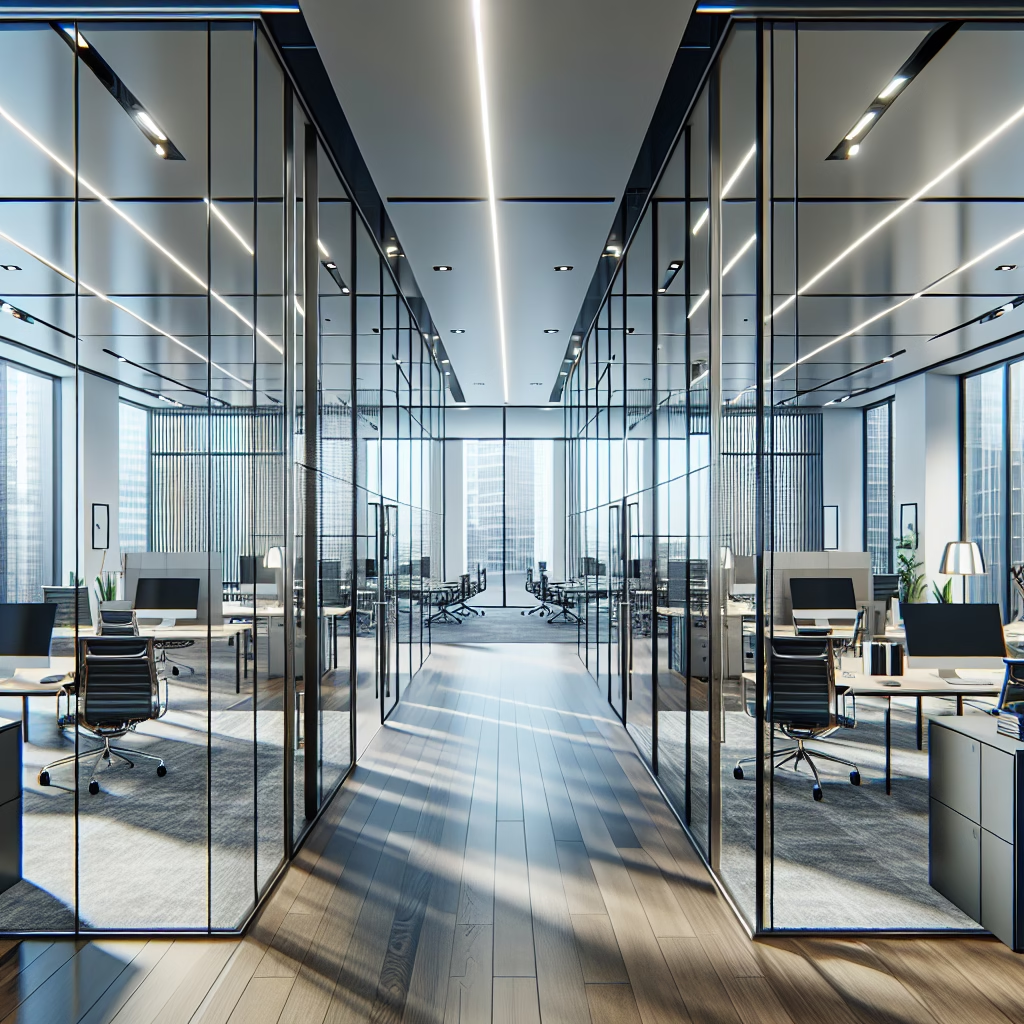
Contrast that with a modern office laid out with glass partitions. Picture this: light streaming through large panels of clear glass, filtering into every corner of the space while allowing the vibrant hues of the world outside to breathe life into the interior. You can see your colleagues working, occasionally locking eyes with a smile or a nod, all while still enjoying the quiet focus of an enclosed space. That’s the essence of glass partitions—their ability to redefine the workplace experience from the inside out.
Transparency and Collaboration
Imagine you’re in a brainstorming session. In a confined room, ideas can feel stifled, overshadowed by the weight of walls. However, when ideas flow amidst glass partitions, there’s an unspoken freedom. The transparency of glass fosters an atmosphere of openness. I’ve witnessed brainstorming sessions evolve organically where people from different teams feel comfortable approaching one another, contributing their thoughts without that awkward barrier.
Glass creates an invitation. It says, “Come in. Join the conversation.” Colleagues can pop their heads into a meeting space more easily, creating a flowing dialogue rather than a rigid structure. Those glass walls don’t just divide spaces; they connect them. Everyone feels part of the same ecosystem, enhancing collaboration in ways traditional offices struggle to achieve.
Aesthetic Appeal with Functionality
The visual appeal speaks volumes. There’s something undeniably sleek about glass. It adds a modern touch, elevating the overall aesthetic of an office. I once visited a company that prioritized glass partitions in their design, and the atmosphere was palpable. The clean lines and minimalistic appeal invited you in. Natural light danced around, softening the often harsh fluorescent lighting typical in office settings.
Moreover, these partitions can be easily customized. Some offices opt for frosted glass for privacy without sacrificing the brightness and openness of the space. Others incorporate vibrant colors and designs on the glass itself, personalizing each space while maintaining that spacious feel. This duality of form and function is an essential quality of glass partitions that often goes underappreciated.
Flexibility in Design
Another moment that’s embedded in my memory took place during a simple office renovation. The owner wanted to repurpose a conventional layout but struggled with the logistics of moving walls. Enter glass partitions. Suddenly, a plan emerged that didn’t involve heavy machinery and complicated blueprints; instead, they set out customizable modular glass walls that could be shifted as needs evolved.
The flexibility of glass partitions accommodates change seamlessly. One week, a conference room could serve as a collaborative meeting area; the next week, that same space can become an executive office with minimal disruption. In a fast-paced business world, adaptability is critical. So when we choose glass, we’re making space not just for today’s needs, but tomorrow’s as well.
Noise Reduction and Privacy
Now, you might be thinking about the areas that need quiet—places where focused work is paramount. Here’s where the brilliance of glass partitions truly shines through. Although they’re transparent, advancements in technology allow for specialized glass that can effectively reduce noise. That strategic use of materials can maintain a level of quiet necessary for deep concentration while keeping the workspace feeling connected.
In my experience, it’s like sitting in a cozy coffee shop. You can hear the chatter of your colleagues, but the sound doesn’t overwhelm you. It’s comforting rather than distracting. And for those who need privacy, some glass partitions can transition from transparent to opaque with just a flick of a switch, creating a personal sanctuary without isolating oneself completely from the dynamic of the larger office.
Health and Well-being
The health benefits of light are well-documented. Natural light not only enhances mood but also boosts productivity. With glass partitions, we maximize the intake of sunlight, allowing it to filter in from expansive windows, illuminating workspaces. Just think about how energizing it is to be in an environment soaked in natural illumination versus a dimly lit cave-like room. The latter often feels stifling and dull.
Moreover, hygiene has emerged as a pivotal concern in office design, and glass walls offer a practical solution. They are easier to clean compared to traditional fabric partitions, reducing the accumulation of dust and allergens. A neat workspace doesn’t just look good; it contributes to a healthier work environment, which is priceless in today’s health-conscious climate.
Embracing the Future
As we look to the future of office design, glass partitions represent not just a trend but a thoughtful evolution. They align perfectly with the changing nature of work—more collaborative, more connected, and more conscious of mental well-being. I recall the shift in my own office from traditional barriers to glass; not only was it visually transformative, but it also fostered a radically improved culture of communication and interactivity.
The future holds exciting possibilities, and it’s becoming increasingly clear that glass partitions are at the forefront of this change. They are versatile, aesthetically pleasing, and supportive of the work culture we aspire to foster—one that embraces collaboration and community. Our workplaces can be more than functional; they can be spaces that inspire and uplift.
In the end, it feels not just like a design choice but a thoughtful intention to create environments where people can thrive. Being surrounded by glass partitions means not only embracing clarity and connection but also envisioning a future defined by openness and innovation. That, I believe, is a future worth striving for.
.png) Share this post with others
Share this post with others


