
Breathe Easier: Innovative Ventilation Solutions for Glass Room Dividers
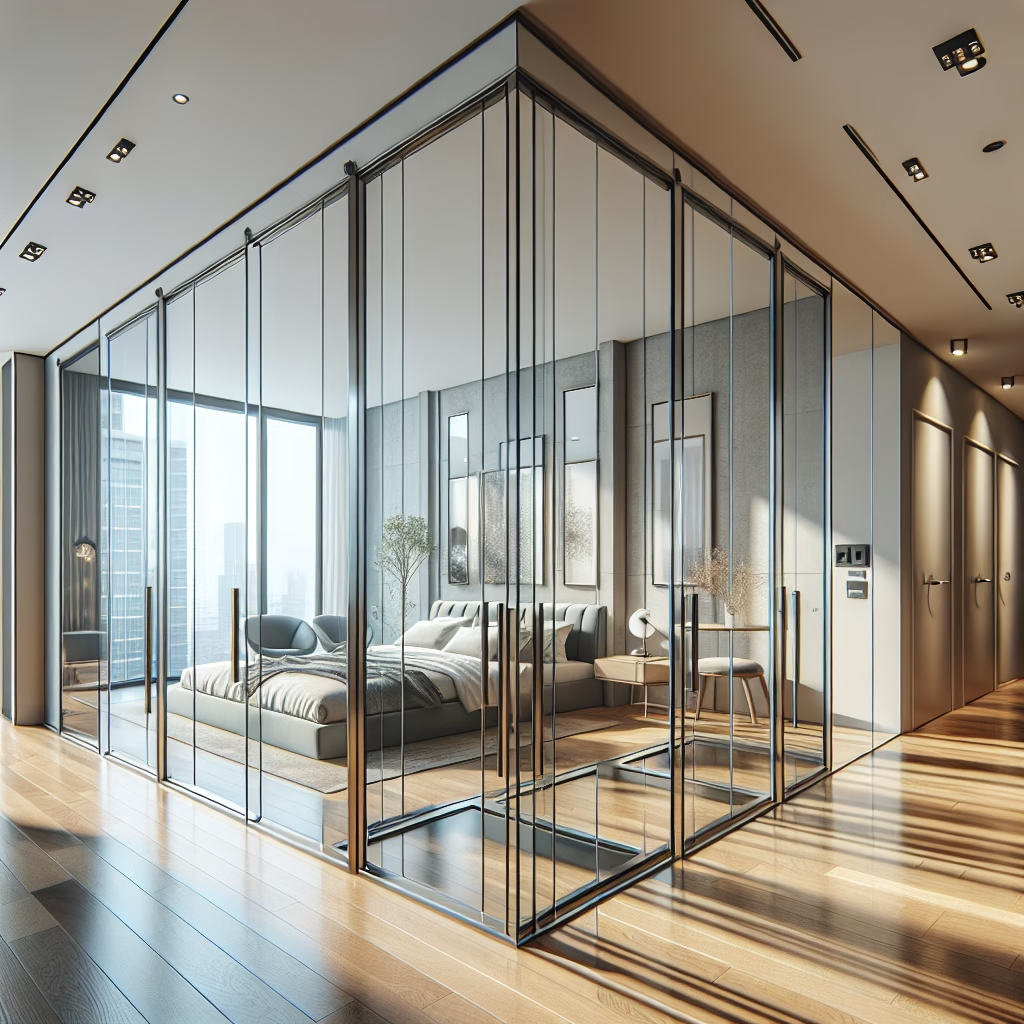
Breathe Easier: Innovative Ventilation Solutions for Glass Room Dividers
Imagine a sunny afternoon. You’re nestled inside your beautifully designed glass room, sunlight streaming in, illuminating vibrant plants and stylish furniture. It feels serene, almost ethereal. But suddenly, you notice it—a subtle heaviness in the air. You realize that while the view is stunning, the air circulation just isn’t optimal. It’s a conundrum many of us face in spaces defined by glass room dividers.
This is where the beauty of innovative ventilation solutions enters the picture. These are not just afterthoughts in design but essential components for creating comfortable, breathable environments. I recently discovered how critical this aspect can be, transforming my perception of space and air quality.
Glass room dividers are often celebrated for their aesthetic appeal—they create an illusion of openness while delineating different areas. But the very feature that makes them so desirable can also pose a challenge: limited airflow. When you encase yourself in glass, the air can feel stagnant. This realization hit me hard one afternoon as I pondered why the once-inviting space began to feel stifling. It was then that I sought out ventilation solutions that could seamlessly integrate with the elegance of my surroundings.
One effective approach involves using operable glass panels that can be adjusted based on the temperature and humidity. Picture this: With just the touch of a handle, you swing open a section of the divider. Instantly, a cool breeze rushes in, accompanied by the gentle rustle of leaves from the nearby garden. It’s refreshing, invigorating even. I remember how a simple mechanism opened up my area, creating an entirely new atmosphere. This isn’t just about temperature management; it’s about creating a space that breathes with you.
Another fascinating solution I stumbled upon was the inclusion of advanced passive ventilation systems. These systems often utilize strategically placed vents that guide the airflow naturally, minimizing energy costs while maximizing comfort. Imagine enjoying a coffee in the afternoon, surrounded by a glass encasement that feels both like a cozy nook and a breath of fresh air. The beauty of passive systems is that they work quietly in the background, keeping the atmosphere balanced without distracting from the elegant design. This balance is critical: style must never compromise comfort.
I could not overlook how humidity levels can be just as important as temperature. In certain climates, especially, too much humidity can lead to discomfort and even condensation issues on glass surfaces. Sophisticated humidity control systems paired with glass room dividers can actively monitor and adjust conditions. I recall a friend’s house that employed such a system; while I admired the modern aesthetic of the space, I was equally impressed by how comfortable it felt. We chatted effortlessly, the air around us in a state of perfect harmony.
Speaking of control, technology has ushered in an era of smart ventilation solutions. These systems can be integrated with home automation, allowing us to dictate airflow through our smartphones. One evening, I decided to host a small gathering. I adjusted the ventilation from my phone while seated across the room. It was almost magical—the ability to adapt the environment effortlessly. Guests commented on how inviting the space felt, and I took pride in knowing that both comfort and beauty were at play.
Not only do these innovations provide solutions, but they also promote a sustainable approach to living. With the increased emphasis on energy efficiency, the flight towards greener technologies is only gaining momentum. Choosing designs that prioritize ventilation not only enhances our experience indoors but also aligns with a more sustainable lifestyle. It’s a statement about the kind of environment we wish to cultivate—one that’s gentle on both our senses and the planet.
In my personal journey to better air quality in glass-enclosed spaces, I have learned that innovative ventilation isn’t just a trivial consideration; it’s vital to the wellness of our living environments. Each adjustment, whether it’s manual or automated, helps to foster a nurturing atmosphere—one that energizes rather than exhausts.
Reflecting on my experiences, I realize that the essence of creating engaging spaces lies in the details. Incorporating thoughtful design elements that enhance air quality—as simple as allowing fresh air to flow or as complex as integrating advanced technology—can work wonders. The transformation can be profound.
The next time you step into a glass room divider, pay attention. Do you feel that heaviness in the air? Or does it feel light, refreshing, and open? It’s fascinating how much of a difference these innovative solutions can make. Spaces where we live, work, and play can equally be sanctuaries for well-being if we embrace ventilation as a core design principle.
In closing, as we become more aware of our surroundings and the impact they have on our daily lives, let’s prioritize air quality alongside aesthetics. Let’s strive for spaces that breathe, that encapsulate the best of innovative design while ensuring each inhale we take is clean, crisp, and invigorating. It’s more than just form; it’s about function—creating atmospheres that inspire and nurture us, day by day.
.png) Share this post with others
Share this post with others


