
Breaking Down the Cost of Glass Room Dividers: What You Need to Know
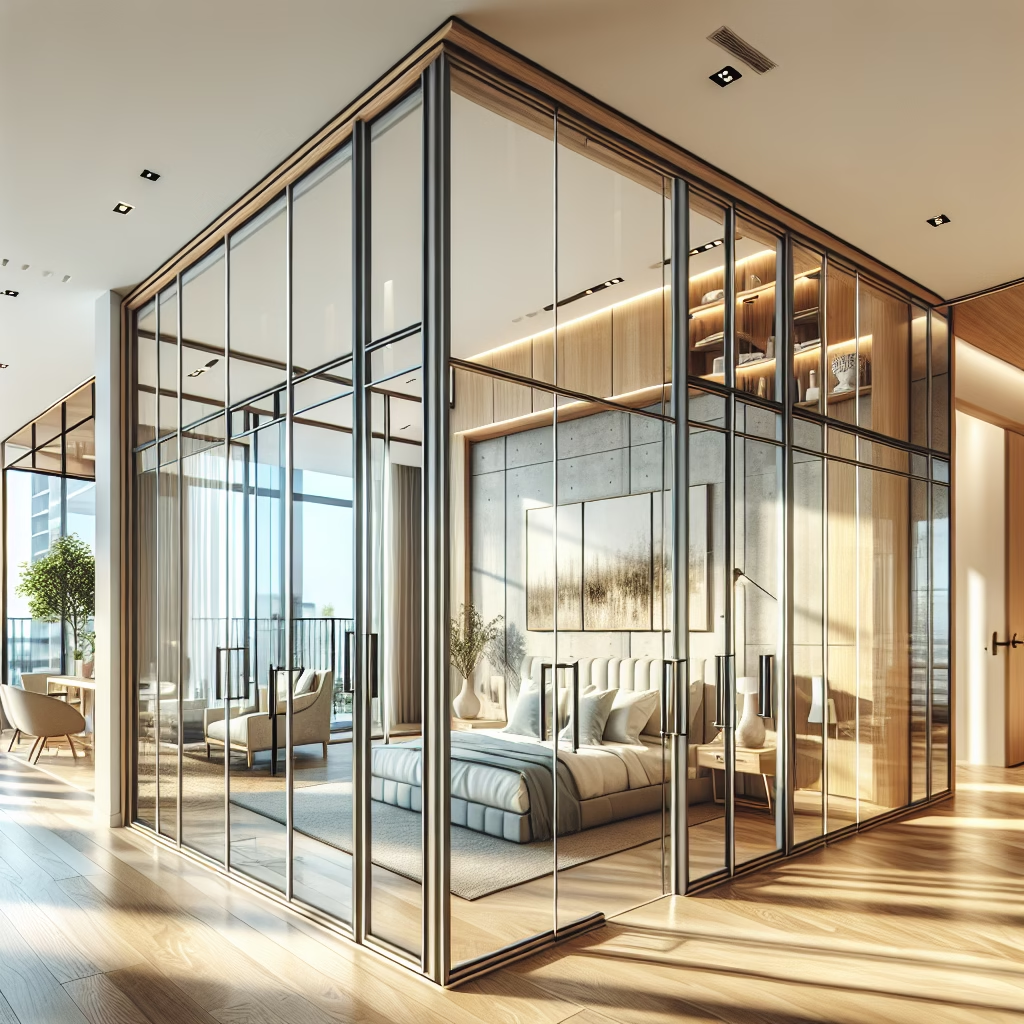
Breaking Down the Cost of Glass Room Dividers: What You Need to Know
When I first stepped into a friend’s apartment with beautifully crafted glass room dividers, I was struck by the lightness of the space. It felt open yet cozily defined, as if the room itself celebrated both individuality and togetherness. This carefully curated design pushed my curiosity into overdrive. How much did it cost to achieve this stunning effect? What are the hidden expenses behind such a beautiful feature?
Breaking down the cost of glass room dividers isn’t just about putting a number on a beautiful design; it’s about understanding the value they provide. Imagine the ambiance a glass divider can create—whether it’s separating your home office from your living room or adding a touch of elegance to your dining area. However, the path to installation can be paved with some surprisingly intricate cost factors.
### The Basics: Material Costs
To begin understanding the financial landscape of glass room dividers, we should first look at the materials involved. Glass isn’t just generic; it varies widely in quality, thickness, and treatment. From tempered safety glass to frosted privacy glass, your choice massively influences cost. While it’s tempting to opt for the cheapest option, consider the long-term value. Investing a little more might mean enhanced durability, safety, and clarity—qualities you’ll appreciate every day.
For example, a standard ⅜-inch thick tempered glass panel might range from $40 to $100 per square foot. If you’ve got your eye on something custom-made with frosted designs, that price can easily double. The allure of handcrafted or etched glass will come with additional costs but can also be a conversation starter.
### Framing and Installation Costs
Once you settle on the type of glass, let’s talk about framing and installation. Frames can be made of wood, metal, or even a combination of materials, and each offers a different price point and aesthetic. I was surprised to learn that a sleek aluminum frame not only looks modern but can also be less expensive than a wooden counterpart in the long run, as it often requires less maintenance.
Installation costs can vary by region but expect to pay around $200 to $600 for professional installation, depending on complexity. This isn’t just a labor cost; it’s expertise you’re paying for. There’s a certain peace of mind that comes with knowing the job was done correctly, particularly when it involves glass that needs to be secured safely.
### Additional Expenses: Customization, Privacy Features, and Lighting
If you’re leaning toward privacy options like frosted or tinted glass, don’t forget to factor in those additional costs. This choice means adding a layer of treatment that could add anywhere from $5 to $15 per square foot. Perhaps you’re envisioning a meeting room with a modest level of privacy without sacrificing the immersive feel of your office. That frosted glass solution can be both practical and expressive.
Think also about the role of lighting in your design. If you incorporate ambient or task lighting that beautifully complements your glass dividers, you’ll be adding a whole different aesthetic value. The installation of integrated lighting, like LED strips around the frame, can cost an additional few hundred dollars, but the visual payoff can be extraordinary.
### Ongoing Maintenance and Other Considerations
While glass room dividers offer an elegant solution, consider the upkeep involved. Regular cleaning is necessary to maintain that pristine look. Non-ammonia glass cleaners are recommended to avoid any potential scratches. Budgeting for periodic maintenance supplies is a smart way to keep those dividers looking flawless.
Additionally, if your environment sees high traffic or moisture, think carefully about how glass will hold up. You might want to invest in thicker panels or treatments to prevent scratches and blemishes. If you’re residing in a humid climate, specific sealants can provide further protection, and that’ll add a bit more to your initial budget.
### The Return on Investment
Now, let’s touch on something that often gets overlooked— the return on investment (ROI). While it’s easy to focus on the upfront costs, consider the value this aesthetic transformation can bring to your home. A beautifully separated space can increase your property’s appeal and potentially its market value. If you ever chose to sell, you might find that buyers are willing to pay a premium for a home that feels both expansive and thoughtfully defined.
Moreover, think of how glass dividers can enhance your daily life. They allow for separate spaces without the confines of walls. The natural light shines through, always reminding you that you’re inside a thoughtfully arranged environment.
### Final Thoughts
So, as I sit back in my friend’s luminous apartment, I can’t help but admire the duality of style and practicality that glass room dividers bring. In breaking down the costs—the materials, the framing, potential customization, and ongoing maintenance—it’s clear that while glass dividers can be a financial commitment, the benefits they yield in beauty and functionality are equally invaluable.
In the end, investing in quality glass room dividers is not just a matter of cost, but of enhancing your living experience. When properly assessed, this investment can seamlessly transform the way you inhabit your space. It’s about creating an environment that reflects who we are, physically and emotionally. And maybe, just maybe, that’s worth every penny.
.png) Share this post with others
Share this post with others


