
Sliding Glass Closet Doors That Work Harder
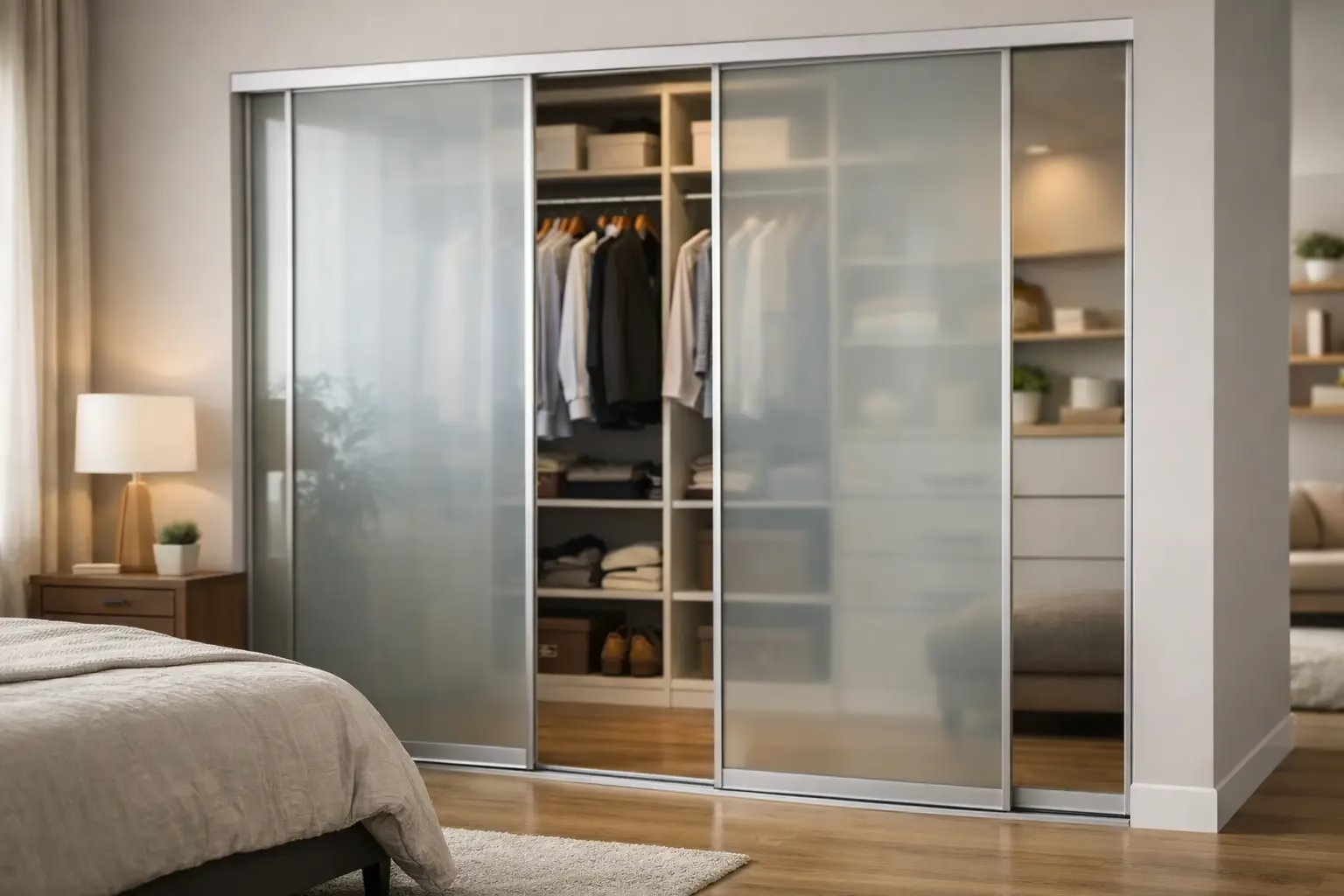
Sliding Glass Closet Doors That Work Harder
A closet door usually gets attention only when it causes problems – it swings into furniture, eats up floor space, or makes a clean room feel crowded. Sliding glass closet doors solve that issue with a more architectural approach. They keep circulation clear, improve light flow, and give storage walls a finished, modern look that feels intentional rather than purely functional.
For homeowners, designers, and builders, that matters because the closet is no longer just a utility zone. In bedrooms, home offices, dressing areas, and multipurpose rooms, the door is part of the visual field. If it looks heavy, cheap, or awkward to use, the whole room feels less refined. If it moves quietly, fits correctly, and complements the surrounding design, it improves the space every day.
Why sliding glass closet doors make sense
The biggest advantage is simple – they save usable space. A traditional hinged door needs clearance to open, which limits furniture placement and can create friction in smaller rooms. A sliding system keeps everything within the closet footprint, making it easier to plan beds, desks, nightstands, or lounge seating nearby.
Glass also changes how the room reads. Solid closet doors can break up a wall and make a compact room feel boxed in. Glass reflects light, softens visual weight, and supports a more open layout. In homes with limited natural light, that can make a noticeable difference. In larger rooms, it keeps the aesthetic clean and contemporary rather than bulky.
There is also a practical design benefit that gets overlooked. Sliding systems tend to create a more disciplined storage zone. When the doors are visible every day, people are more likely to organize what sits behind them. Frosted, tinted, or patterned glass can provide privacy while still keeping the installation visually lighter than wood or composite panels.
Choosing the right glass for sliding glass closet doors
Not every glass closet door should be fully transparent. The right option depends on how you use the room and how much you want the contents of the closet to be part of the design.
Clear glass works best when the closet interior is highly organized and intentionally designed. This can look sharp in a boutique-style dressing area, a custom wardrobe wall, or a home office storage zone where order is part of the presentation. It brings the most openness, but it also puts everything on display.
Frosted glass is often the safest choice for everyday residential use. It diffuses light, maintains privacy, and still preserves the clean, minimal look that makes glass attractive in the first place. If the goal is to hide visual clutter without making the room feel closed off, frosted glass usually strikes the right balance.
Tinted and gray glass can add more contrast and visual depth, especially in modern interiors with black hardware, matte finishes, or darker flooring. The trade-off is that darker glass can slightly reduce brightness compared to clear or lightly frosted options. In a bright room, that may be a design advantage. In a dim room, it may not be.
Frame style matters more than most buyers expect
Glass gets most of the attention, but the frame and track system determine how the doors feel in daily use. A well-designed sliding door should not rattle, drag, or feel unstable. It should move quietly, align cleanly, and stay dependable over years of opening and closing.
Slim aluminum frames are a strong fit for modern interiors because they provide structure without visual heaviness. They also support long-term durability better than lower-grade materials that can warp, loosen, or wear prematurely. For clients balancing aesthetics and performance, this is often where premium systems separate themselves from entry-level products.
Hardware finish matters too. Black frames create stronger definition and work well in contemporary homes, loft-style interiors, and office-adjacent residential spaces. Lighter metallic finishes can feel softer and more understated. The right choice depends on whether the closet doors should stand out as a design feature or blend into the room envelope.
Sizing is where performance starts
Closet doors are only as good as their fit. Even strong materials and attractive finishes will disappoint if the opening is measured incorrectly or the system is forced into a nonstandard condition without the right engineering. That is especially true in remodels, older homes, and custom builds where openings can vary more than expected.
Standard sizes can work well for straightforward projects, but many installations benefit from made-to-order dimensions. Custom sizing helps maintain proper overlap, smooth tracking, and a cleaner finished appearance. It also reduces the compromises that often come with trying to adapt a standard door to an opening that is slightly out of square or wider than average.
For design professionals and contractors, this is not just about appearance. Correct sizing affects safety, longevity, and user satisfaction. A properly engineered system feels stable from day one and stays that way. That is why premium sliding solutions are built for safety and performance, not just for visual impact.
What to look for in the track and roller system
If you only compare glass type and frame color, you miss the part of the product that matters most over time. The operating system is what turns a good-looking door into one that actually performs.
A quality sliding door should move with minimal effort and minimal noise. In bedrooms and home offices, silent operation is not a luxury – it is part of how the room functions. Cheap systems often develop friction, wobble, or uneven movement as components wear. Better systems are engineered for repeated use and consistent alignment.
Safety also deserves closer attention. Strong glass and dependable bottom-wheel locking design contribute to a more secure installation, especially in households where long-term reliability matters. Buyers often focus on style first, but the hidden engineering is what protects that investment over the years.
Best places to use sliding glass closet doors
The bedroom is the obvious application, but it is far from the only one. In primary suites, sliding glass closet doors can make a full wardrobe wall look integrated rather than oversized. In smaller bedrooms, they recover floor space that hinged doors would otherwise consume.
They also work well in guest rooms that double as offices. A glass-front closet can keep the room feeling open while still providing accessible storage for clothing, supplies, or seasonal items. Frosted glass is especially effective here because it keeps the space polished without exposing everything behind the doors.
In entry-adjacent storage zones, dressing rooms, and loft-style layouts, glass closet doors can help create visual order. They offer a more refined alternative to bifold or swinging doors, particularly in interiors where clean lines and light flow are priorities.
When glass is the right choice – and when it depends
Glass is not automatically the best answer for every closet. If the interior is consistently cluttered and privacy is the top concern, a solid panel may still be the more practical option. If the room has delicate acoustical needs, glass may reflect more sound than some softer materials.
That said, many of those concerns can be addressed through the right specification. Frosted glass reduces visibility. Better hardware improves noise control. Custom sizing resolves layout constraints that standard doors cannot. In other words, the question is usually not whether glass works, but which version of it works best for the room.
This is where a design-driven manufacturer brings real value. The strongest results come from systems designed to last for decades, with sizing flexibility, engineered safety, and installation support built into the buying process. Doors22 approaches sliding glass solutions with that mindset – as part of a finished interior system, not just a door panel.
Installation and planning considerations
A clean install starts before the doors arrive. The opening needs accurate measurement, surrounding walls should be evaluated for plumb and level, and the floor condition should be considered early. Those details affect alignment and long-term operation more than most buyers expect.
Some projects are straightforward enough for experienced installers or confident DIY customers, while others benefit from coordinated professional installation. Larger openings, custom dimensions, and premium glass systems usually justify more precise planning. Fast shipping and quote-based support help move these projects forward without guesswork.
If you are specifying for a client or upgrading your own home, focus on the full performance picture: glass type, frame profile, hardware quality, safety engineering, and exact fit. When those pieces are aligned, sliding glass closet doors do more than close off storage. They sharpen the room, preserve space, and make everyday use feel easier – which is exactly what good interior design should do.
.png) Share this post with others
Share this post with others


