
Design Meets Function: Why Sandblasted Glass is the Future of Office Dividers
Design Meets Function: Why Sandblasted Glass is the Future of Office Dividers
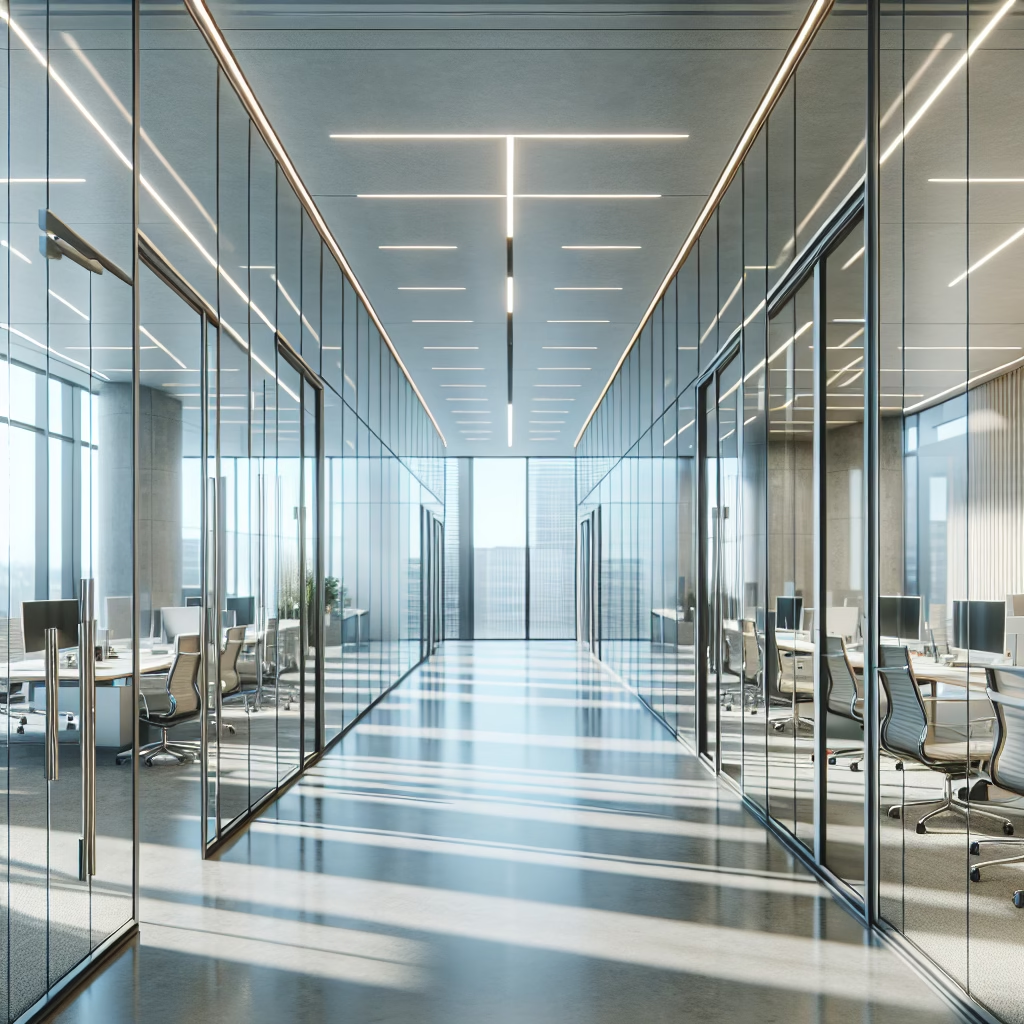
When I first stepped into my friend’s new office, it was almost like walking into a contemporary art gallery. Sunlight streamed through tall windows, illuminating the space with warmth, but it was the office dividers that truly caught my eye. There, separating collaborative areas from private workstations, were these stunning sandblasted glass panels. They whispered a perfect marriage of design and functionality that seemed to redefine the traditional office layout.
What struck me immediately was how different it felt. In contrast to the dreary cubicles of old, where walls closed in and dampened creativity, sandblasted glass dividers created an airy atmosphere. They offered privacy without solitude, allowing glances of connection while maintaining a sense of personal space that’s so essential for productivity. I found myself wondering: why do we even think of office dividers as monotonous barriers when they can be artful solutions?
### Bridging Spaces with Grace
Imagine walking into a space that flows rather than feels segmented. The sandblasted finish on the glass obfuscates visibility just enough to create privacy while letting light pass through, creating a glow that warms the entire office. These dividers can transform claustrophobic rooms into inviting spaces. I remember my friend describing the struggle they faced when designing their office layout. They wanted to encourage collaboration without sacrificing the need for focus, especially on days that demanded serious concentration.
Sandblasted glass dividers became the perfect solution. They create distinct areas—each with its own essence—while still inviting interaction, a gentle reminder of the people working behind them. Choosing sandblasted glass was about more than just aesthetics; it was about balancing open spaces with necessary boundaries.
### Aesthetic Versatility
The sheer versatility of sandblasted glass cannot be overstated. I remember visiting another office where the walls were adorned with dazzling company branding etched into the glass itself. Striking, yet subtle, it transformed simple barriers into storytelling canvases. Companies are discovering that these dividers can reflect their brand’s ethos while serving practical purposes.
With varying levels of translucence, they can be customized to either separate departments while maintaining collaboration or create serene, focused work areas. I’ve seen offices where strategic placements of these panels not only highlighted artistic angles in the design but became focal points within the space. It was like witnessing the necessity of function evolve into an art form, serving as a reminder that beauty and practicality can coexist harmoniously.
### Natural Elements of Light
There’s an undeniable beauty in how light interacts with sandblasted glass. I often think back to the moments spent in these thoughtfully designed spaces, where natural light plays a transformative role. The interplay between texture and illumination creates a dance that can elevate the entire office experience. Often, corporate spaces are drenched in artificial light, but with the right positioning and materials, the ambiance can shift, making it feel more like home.
Picture it: a meeting room illuminated by soft, diffused light filtering through a sandblasted glass wall, enveloping you in a cocoon of calm. It fosters open dialogue while ensuring that at least one wall protects the idea of privacy. The soft luminance traveling through these partitions has the power to inspire conversations, sparking creativity in a way that stark, bare walls never could.
### Sound Absorption and Peaceful Productivity
One unsuspecting benefit of using sandblasted glass as a divider is its ability to serve as a sound-dampening barrier. I recently learned that, in a bustling office, the ambient noise can sometimes drown out effective communication and concentration. However, subtly textured glass does a surprisingly good job at absorbing sound, transforming a cacophony of voices into a manageable hum.
In an age where distractions are everywhere—be it ringing phones, bustling conversations, or the grounding whirr of machinery—these dividers offer an excellent solution. Instantly, they create a tone that promotes focus without removing the vibrancy of a collaborative environment. Through my experiences, I’ve observed how they help retain a collective sense of purpose, encouraging teamwork while respecting each person’s need to zone into their individual tasks.
### Sustainability in Design Choices
Beyond aesthetics and functionality, there lies a growing responsibility that we have toward our environment. In my conversations with architects and designers, the question of sustainable materials often emerges. Choosing sandblasted glass comes with a consciousness that matters—most of it can be recycled, and due to its durability, it promotes a lifecycle that’s considerate of our planet.
It’s heartening to see companies that prioritize eco-friendly practices embrace materials like sandblasted glass. As we move further into a future that demands more conscientious choices, integrating sustainable options into our workspaces should be a non-negotiable aspect of design. Every glass panel reflects more than just a choice in decor; it echoes a commitment to creating spaces that care.
### Conclusion: A Closer Look at the Future
In reflecting on the merits of sandblasted glass, it becomes quite clear to me that it’s not just about aesthetics or utility. It’s about creating environments that inspire. As spaces evolve to accommodate modern work habits, these dividers celebrate the balance between privacy and openness, between collaboration and concentration.
When I consider my friend’s office, now filled with natural light and creativity, it’s evident that every element—especially those beautifully crafted sandblasted glass panels—plays a role in performance and wellbeing. This forward-thinking choice in office design doesn’t just redefine structure; it redefines how we interact with our workspaces.
As we embrace new ways of working and living, I can’t help but feel that the future of office design is not merely about dividing space, but uniting purpose—adding beauty to functionality, and light to collaboration.
.png) Share this post with others
Share this post with others


