
Modern Design Meets Functionality: Exploring Slim Frame Glass Partitions
Modern Design Meets Functionality: Exploring Slim Frame Glass Partitions
Modern Design Meets Functionality: Exploring Slim Frame Glass Partitions
Have you ever stepped into a space and instantly felt its energy shifted, its functionality sharpened? That’s exactly how I felt the first time I walked into an office that utilized slim frame glass partitions. The moment I entered, everything seemed to fall into place: light danced across the room, creating a sense of openness while still preserving a level of privacy. It made me ponder how such a simple design choice could enhance both aesthetic and practicality.
Imagine a large, expansive room filled with chatter, ideas bouncing off the walls, yet there’s a quiet oasis created by these sleek structures. They segment the space without overwhelming it, like a whisper that directs you without obstructing the flow. Each partition, with its imperceptibly thin frame, seems to float rather than stand—almost like art in motion. This balance of modern design meets functionality speaks to a broader human desire: to be part of a community while still maintaining your individuality.
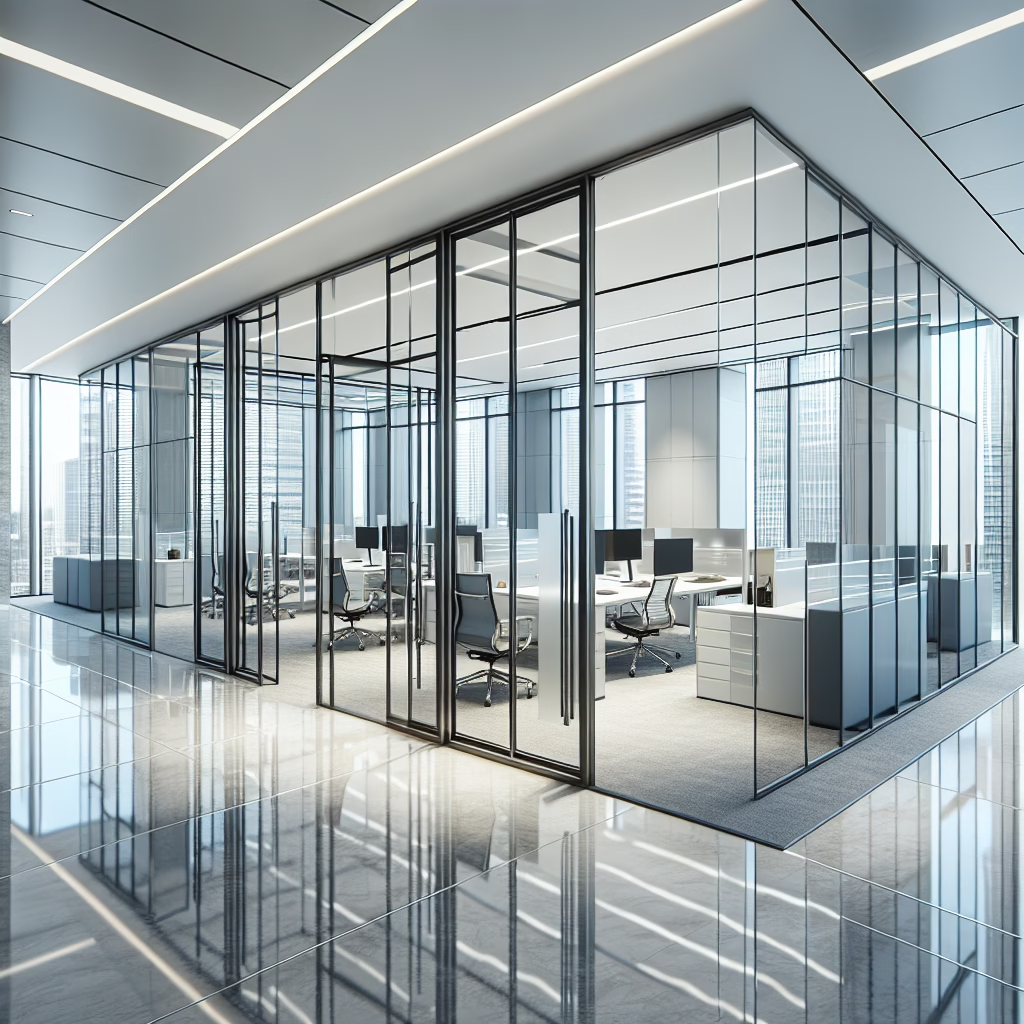
Slim frame glass partitions are a standout choice in contemporary design. While some partitions can feel bulky or cumbersome, these almost blend into their surroundings. Their minimalistic frames allow for uninterrupted sightlines, making an area feel larger and more inviting. I can recall observing a specific meeting room separated by these elegant barriers—the walls transformed into transparent canvases that didn’t compartmentalize the vibe but rather enhanced it. It encouraged collaboration, not isolation; ideas could flow freely while still offering enough privacy for focused discussions.
One of the most striking features of slim frame glass partitions is the light factor. Natural light gleams through, creating a warm, bright atmosphere that lifts spirits and sparks creativity. A workplace bathed in natural light feels more vibrant. I often think about the people who would inhabit such spaces: employees sipping their morning coffee, basking in the brightness, sparked to share ideas and engage with each other. As the days went on, I started to notice how the use of glass not only amplified the space but also brought a certain vitality that other opaque materials couldn’t—an almost organic element that made the environment feel alive.
Moreover, the adaptability of these partitions is a beautiful aspect to consider. They aren’t fixed in size or shape. They can be combined, rearranged, or expanded as companies grow or evolve. The flexibility mirrors the ever-changing nature of our work lives, where teams shift, projects redefine, and meeting needs transform. I saw a company evolve its open layout using these partitions to create a mix of collaborative spaces and quiet areas for focused work. Instead of clashing interests, they embraced harmony through design. Each decision reinforced a culture of adaptability, crucial in the fast-paced world we navigate.
But I would be remiss not to mention their environmental impact; the sleek frames and extensive glass allow for energy efficiency. Buildings can harness sunlight effectively, reducing the need for artificial lighting during daylight hours. Thus, the use of slim frame glass partitions becomes not just a matter of modern design but a deeper commitment to sustainability. As I sat in that office, I felt a connection to broader ecological concerns—here was a solution that didn’t just serve the immediate practical needs but also recognized our responsibility to the planet. It’s a subtle yet powerful choice.
And let’s not forget about sound. The thought of glass often brings to mind transparency in a literal sense; but what about acoustics? These partitions manage to offer both an inviting feel and sound insulation that is often unexpected. During my time in that office, I was amazed at how discussions could happen within a glass-encased meeting room without distorting the entire atmosphere of the open office beyond. It’s about mindful design that recognizes the need for privacy amidst a buzzing hive of productivity.
However, it’s not merely a question of aesthetics or practicality. These slim-frame partitions inherently communicate a message of openness and modernity. Walking into a room with such design elements felt like entering a mindset dedicated to forward-thinking. It spoke to an ethos where traditional barriers are dismantled in favor of a more connected environment—both physically and psychologically. Each partition felt like a silent invitation to engage, to collaborate, to innovate together, rather than to retreat into isolated silos.
As I reflect on these experiences, I can’t help but admire how slim frame glass partitions embody the essence of modern design. They encapsulate the idea that functionality doesn’t need to compromise beauty. Instead, they coexist, flourishing alongside one another. I envision spaces that break free from conventions, transforming traditional layouts into something that resonates more profoundly with our contemporary lives.
In the end, spaces designed with these glass partitions remind us that our surroundings play a significant role in shaping our experiences. They offer clarity—not just in sight but in purpose. When I think back on that day in the office, I recognize that those glass partitions transcended their physical form; they created a framework that encouraged connection, creativity, and environment. The design wasn’t an afterthought—it was integrated into every facet of the experience.
So, if you find yourself at a crossroads between aesthetic desire and functional need, look no further than these slim frame glass partitions. They effortlessly bridge the gap, inviting you to imagine how your environment could change, evolve, and inspire. Design can indeed be a mirror reflecting our values and aspirations. As we embrace the beauty and impact of such creations, we might just discover a renewed appreciation for the spaces we inhabit—and perhaps, a fresh perspective on the way we live and work together.
.png) Share this post with others
Share this post with others


