
Transforming Workspaces: The Rise of Glass Office Partitions
Transforming Workspaces: The Rise of Glass Office Partitions
Transforming Workspaces: The Rise of Glass Office Partitions
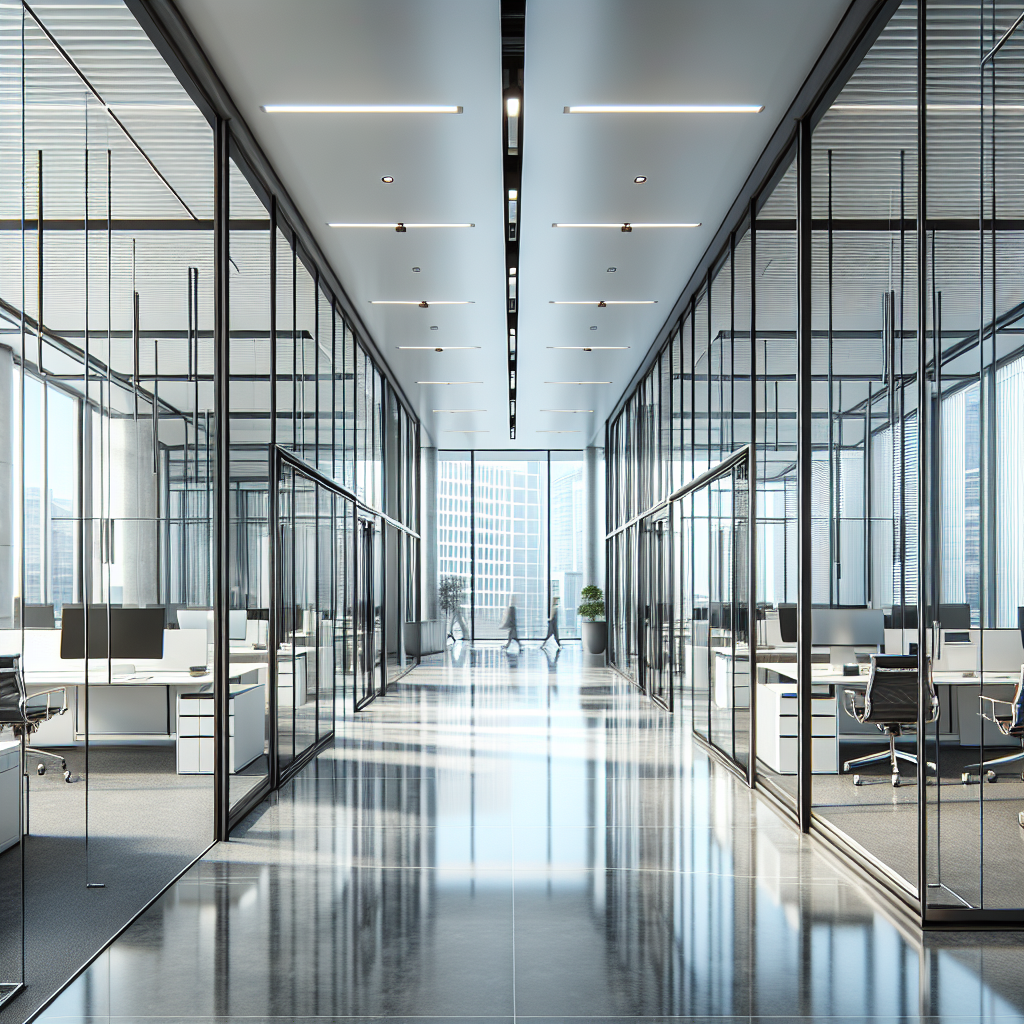
I remember the first time I walked into a modern office space filled with glass office partitions. The light streamed in, reflecting off the sleek surfaces, creating an inviting and vibrant atmosphere. It felt different. Somehow, this workspace was alive, bustling with energy and communication. The open visibility—cubes replaced by transparent walls—had an immediate effect on the mood. Instead of feeling confined, it was as if each person’s creativity and productivity could expand beyond their personal confines.
There’s something intrinsic about how we interact with our spaces. In the past, offices often felt like places of solitude, even isolation. Traditional cubicles created barriers, not just for sound but for collaboration and interpersonal relationships. Conversations were muffled, and ideas struggled to find their way out into the collective consciousness of the team. I’ve seen the transformation as glass partitions began to replace those heavy walls. It’s more than just a design trend; it’s about creating a culture.
Transparency Breeds Collaboration
Glass walls invite a sense of openness that encourages dialogue. I recall a meeting I attended in such a space, where ideas flowed as freely as the coffee. Teams gathered by the partitions, engaging in spontaneous brainstorming sessions while still working within their defined areas. These weren’t just conversations; they were exchanges that fueled our creative processes. The division of space didn’t feel intimidating or obstructive but rather like a gentle reminder of shared goals and collective vision.
When I think of Glass Partitions, I think of transparency—both visual and organizational. They allow for visibility without sacrificing privacy. You can see your colleagues, observe their focus, and even sense the energy when someone has a breakthrough, all while providing a bit of personal space. It’s fascinating how a mere change in the material between us can unlock communication and collaboration in ways we didn’t think possible.
Bringing Light into the Box
The impact of natural light in workspaces can’t be overstated. In environments with solid walls, even the brightest sun can feel miles away. Glass partitions break those barriers, bathing the interior with warmth and light. I’ve often found that during winter months, offices with these partitions transform into bright havens, lifting spirits and enhancing overall well-being.
One particular workspace I visited had a large communal area surrounded by glass walls. People gathered there during breaks, not just to recharge but to exchange ideas. It was as if the light itself dissolved the boundaries, helping to create a community within an office—a place that felt less like a workplace and more like a second home.
Flexibility in Design and Function
Another remarkable aspect of glass office partitions is their versatility. Spaces that previously constrained teams can now be molded and reshaped as needs change. I saw this in action during a company’s rebranding effort. They needed to adapt quickly but didn’t want to compromise on aesthetics. With glass walls, they redefined spaces almost overnight. They could create temporary meeting rooms for strategizing sessions or collaborative hubs for brainstorming—all without the need for extensive renovations.
The sleek finish of glass can suit just about any design aesthetic, from minimalist to vibrant, and it pairs well with various materials. During one project, we combined glass with lush greenery, creating an indoor garden feel. The atmosphere was refreshing; the plants thrived in the abundant light, bridging nature and professional life. That kind of integration makes work more inspiring.
The Psychological Shift
Then there’s the psychological component. Being in an environment where you can see what’s happening around you can instill a sense of accountability. It fosters a culture where everyone is committed to their work and, perhaps more importantly, to their colleagues. One afternoon, I strolled through a glass-partitioned office and couldn’t help but notice how engaged everyone looked. The transparency didn’t just enhance visibility; it stirred a sense of belonging.
There’s a certain psychology to shared spaces, and it brings forth a conscious effort to connect. When I think back to my own work experiences, the times I felt most motivated were in environments that favored openness. It’s invigorating to be part of a collaborative ecosystem where you feel each member contributes to the whole.
Balancing Privacy with Openness
Of course, while glass partitions can enhance connectivity, it’s important to balance openness with the need for privacy. Not every conversation or creative process is suited for public view. Thankfully, many modern glass partition systems come equipped with soundproofing capabilities and frosted panels that can help maintain confidentiality when required.
I’ve seen teams utilize these features beautifully—working together in an intricate dance of collaboration and privacy. For more intense discussions or strategy sessions, a simple flick of a switch can transition the area into a more secluded space, ensuring that conversations don’t echo through the office.
A Lasting Impression
As I wrap up my reflections on the rise of glass office partitions and their impact on transforming workspaces, I can’t help but marvel at how something so simple can catalyze significant change. Creating a more open, light-filled, and flexible environment isn’t just about aesthetics. It’s about nurturing relationships, enhancing creativity, and fostering a culture of collaboration.
The power of glass partitions lies not in their transparency alone but in their ability to transform the very essence of our work environments. They invite us to share, to engage, and to innovate together. Now, isn’t that a workspace we all deserve?
.png) Share this post with others
Share this post with others


