
Transforming Modern Workspaces: The Rise of Glass Office Partition Systems
Transforming Modern Workspaces: The Rise of Glass Office Partition Systems
Transforming Modern Workspaces: The Rise of Glass Office Partition Systems
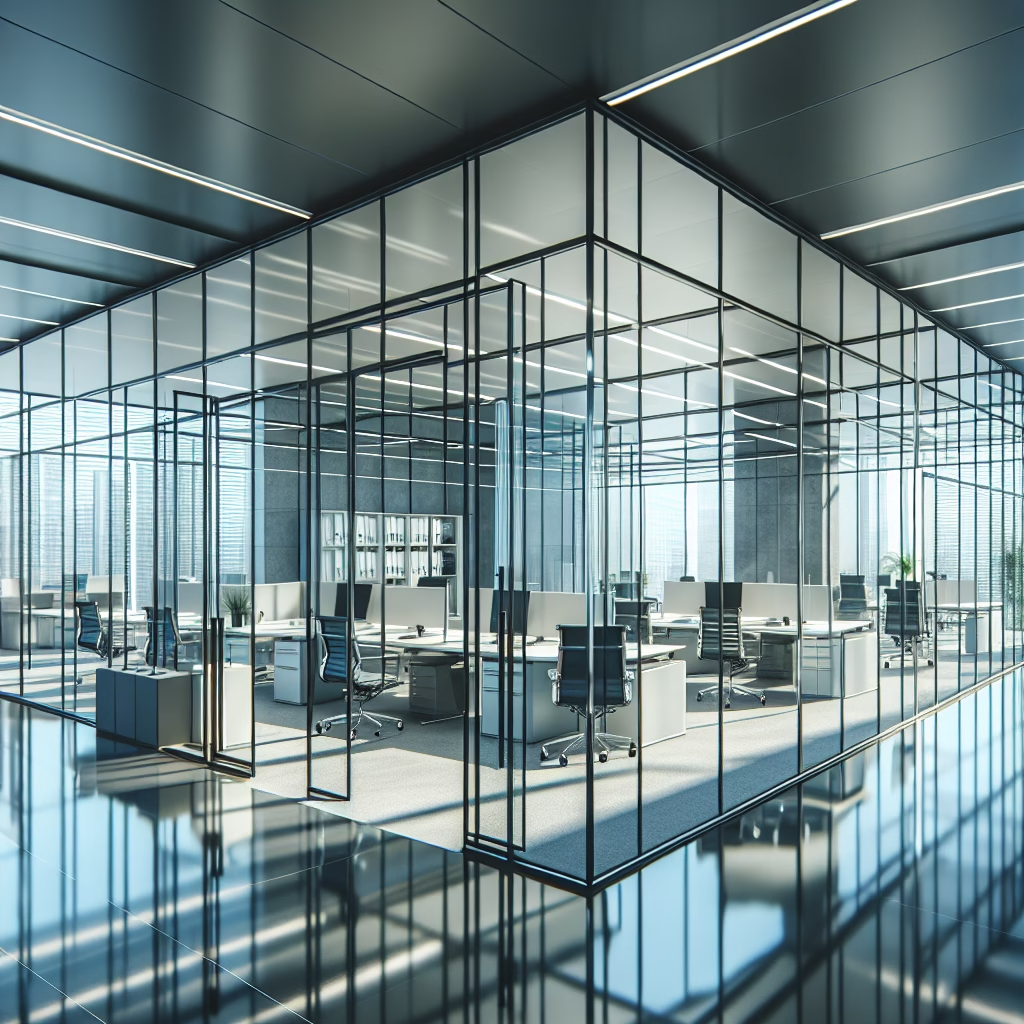
Picture this: I walk into an office that feels open, airy, almost like stepping into a sun-drenched café rather than a traditional workplace. The walls are transparent, not solid, and everywhere my eye roams, light dances around. It’s a striking shift from the gray, walled cubicles that used to dominate corporate environments. This is the power of glass office partition systems.
In recent years, many businesses have begun to reconsider the very essence of their workspaces. Remember the days when we all piled into crowded offices, relying on echoing voices and obscure “Do Not Disturb” signs? Those spaces, while functional, often hindered creativity and collaboration. I vividly recall walking through a sea of cubicles, each one feeling like its own little island cut off from the flow of ideas. In contrast, glass office partitions have emerged as a solution that marries aesthetics with functionality, transforming how teams interact.
Transparency Breeds Collaboration
The first thing that struck me upon entering a glass-partitioned office was how inviting it felt. I could see my colleagues engaged in conversations, brainstorming over a shared table, or even simply enjoying a moment of quiet reflection. The transparency of glass fosters an environment where collaboration breathes, allowing for spontaneous discussions that seem to thrive in the open space.
One day, I was part of an impromptu brainstorming session sparked by the sight of my teammates laughing and gesturing animatedly behind a sleek glass wall. It was irresistible. Just being able to witness their enthusiasm made me want to jump right in, contributing ideas that would have likely remained dormant in a more enclosed setting. The creators of these spaces understood a fundamental truth: people thrive in environments that encourage interaction.
The Beauty of Versatility
What I love most about glass partitions is their versatility. They can define spaces without relinquishing the overall openness of an area. In one particularly remarkable setting, I found myself in a tech startup where the glass walls were not just panels but also incorporated writable surfaces. The walls bore sketches, notes, and colorful doodles, all spilling from the minds of the innovative team within.
It’s as if these partitions acted as living canvases, archiving ideas in real-time while delineating spaces where different projects could evolve. Agreeing on design concepts or discussing product strategies takes on a new dimension in these adaptable spaces. They accommodate the notion that a workspace should grow and change just as businesses do.
The Balance of Privacy and Openness
Naturally, one may wonder about privacy within such transparent walls. Initially, I shared the hesitation many have regarding confidentiality in an open environment. How can one maintain focus during a sensitive client call when everyone around can see and hear? Glass partition systems adeptly address this concern by offering solutions like frosted glass or adjustable opacity.
During a recent visit to a design agency, I noticed strategically placed frosted sections that allowed for private conversations while still feeling connected to the vibrant buzz of the workspace. These nuanced designs create a balance that’s refreshing. It encourages both transparency and the assurance that certain discussions can remain discreet without isolating employees.
Aesthetic Elegance Meets Functionality
Another remarkable aspect of glass office partitions lies in their aesthetic appeal. I remember stepping into an office where the partitions were not just functional dividing lines; they were beautifully crafted installations. Framed with sleek metal, the glass seamlessly blended with the overall decor while adding an element of modern sophistication.
The light refractively kissed the surfaces, creating a vibrant atmosphere that uplifted the spirits of everyone inside. It reminded me of strolling through an art gallery, where every turn sparks inspiration. It’s no wonder that businesses that invest in such beautiful designs often find a boost in employee morale and creativity.
Environmentally Friendly Choices
I was pleasantly surprised to discover that many glass partition systems are environmentally conscious as well. It’s easy to overlook the materials we choose in our workplaces, but these systems often utilize sustainable resources and can even contribute to LEED certifications. Imagine walking into a space that not only supports human interaction but also cares for the earth.
I recently attended an office opening where the space’s design was heavily influenced by ecological sustainability. The use of glass partitions played a significant role, allowing for maximum natural light, which diminishes overhead artificial lighting needs. It struck me as a mindful approach to design—one that acknowledges the relationship between our work environments and the environment at large.
Embracing the Future
As I look around today’s corporate spaces, it’s clear: glass partition systems signify a deeper transformation. They embody a shift in how we perceive our work lives and spaces. Quite literally, they show us that collaboration can flourish in environments designed with thoughtfulness and openness, blending the boundaries between structure and fluidity.
Walking through spaces that champion these partitions is more than an experience; it’s a moment of recognition. We are witnessing a new trend that values transparency, adaptability, and shared creativity. It forces us to confront how and where we work and the relationship we have with our surroundings.
In the end, transforming modern workspaces doesn’t just lie in aesthetics or trendy designs; it’s about creating environments that encourage human connection. Glass office partitions are becoming synonymous with a culture that embraces innovation, collaboration, and a little bit of vulnerability. We are not just colleagues; we are part of a community, and in that community, we can truly thrive.
.png) Share this post with others
Share this post with others


