
Clear Views: How Glass Office Partitions Enhance Collaboration
Clear Views: How Glass Office Partitions Enhance Collaboration
Clear Views: How Glass Office Partitions Enhance Collaboration
You know that feeling when you walk into a room and everything just clicks? The light streams in, and the atmosphere buzzes with energy. It could be a café, a cozy library, or, as I experienced recently, an office space transformed by glass partitions. The moment I stepped into that office, it struck me—there’s something special about a workspace that allows natural light to flow freely and offers glimpses of human connection.
In many traditional offices, heavy walls create barriers, both literally and figuratively. They stifle collaboration. I remember working in spaces where walls seemed to isolate teams, making communication feel stilted and awkward, almost like shouting through a thick fog. When I entered the glass-partitioned office, it was like that fog lifted. The crisp transparency created an openness that made collaboration feel effortless and inviting.
A Closer Look at Interaction
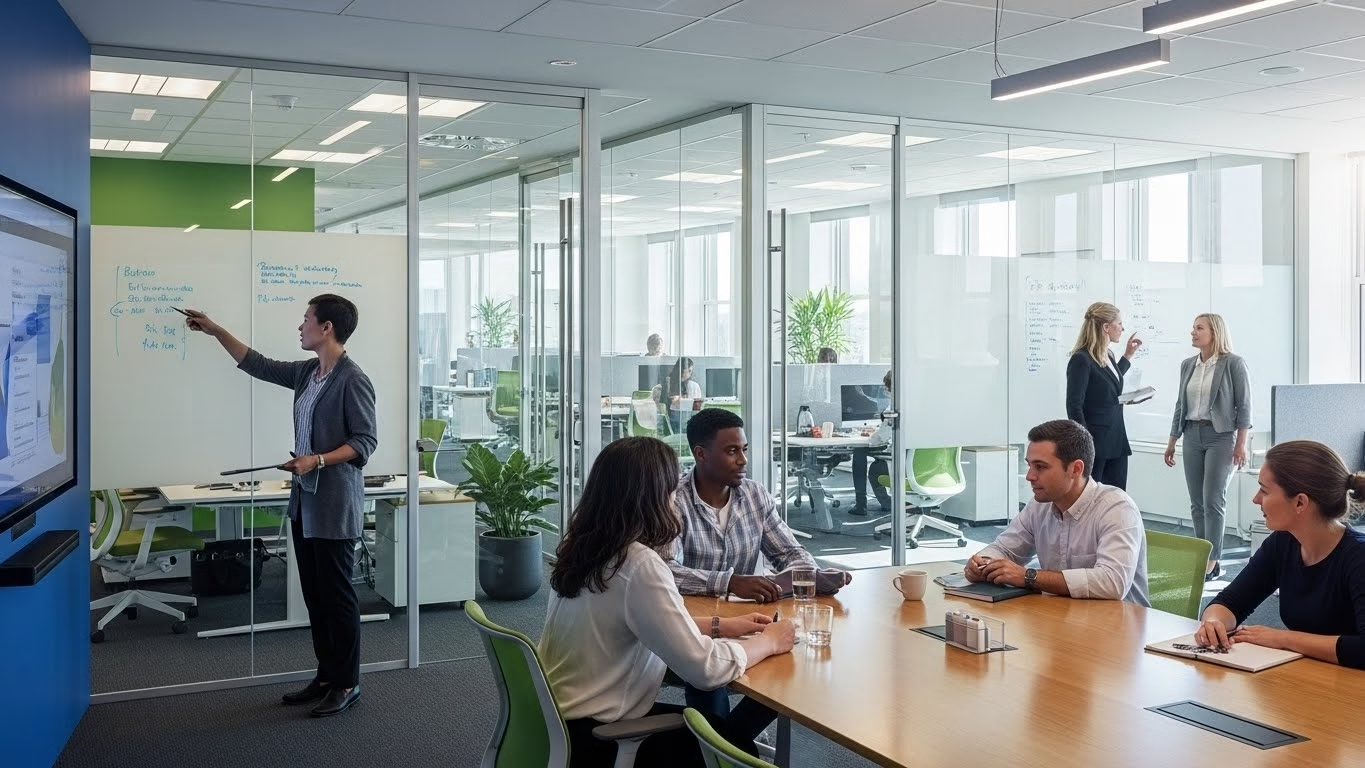
What is it about glass that makes such a difference? It’s the way it allows us to see—and be seen. During my visit to that office, I noticed small groups of colleagues huddled together, their laughter and conversation flowing naturally from one area to another. With clear views, they were able to catch a glimpse of each other’s discussions, which sparked spontaneous ideas and connections. One person would lean over, contribute a thought, and before I knew it, the whole atmosphere shifted from isolated tasks to a vibrant hive of creative exchange.
Glass partitions break the monotony. They encourage people to get up, lean in, and engage. In a stacked office where desks face walls, the energy can seemingly be absorbed by the furniture. But here, with glass, something shifts. It invites conversation. I watched as employees from different departments wandered over, curious about a project or simply to share a laugh. It fostered a culture of openness, where collaboration wasn’t just an ideal; it became a lived experience.
A Design that Inspires
The design of the space played a crucial role in this newfound dynamism. Warm wooden elements and vibrant plants contrasted beautifully against the sleek, transparent glass. It was as if each material complemented the others, creating a holistic environment that felt both professional and welcoming. The sight lines were clean, which not only allowed for visual communication but also invited those soft whispers of teamwork that flowed effortlessly between departments.
You could practically see ideas bouncing around the room like a game of ping-pong. One team could overhear a suggestion that sparked inspiration for their project, while another could share insights informally just by walking past. There’s a certain magic in shared spaces—an unspoken acknowledgment that we’re all part of something bigger than our individual tasks.
Breaking Down Barriers
There’s something compelling about the experience of seeing your colleagues in action. It demystifies the work others do. I vividly recall one moment when a project lead shared a challenge with their team. The transparency of the space didn’t just allow others to hear— it encouraged them to join in. Ideas flowed, questions were raised, and solutions began to take shape right then and there. The glass partitions made it easy for anyone nearby to lean in, contributing from a distance while still feeling engaged and involved.
Even introverted colleagues found their voices. The open sight lines provided a backdrop of comfort, allowing them to chime in when they felt inspired. The anonymity of being just “over there” behind the glass made it easier to step into the conversation, rather than needing to be at a conference table, facing the pressure of direct confrontation.
Natural Light: The Lifeblood of Collaboration
Another striking aspect was the influx of natural light. Sunlight danced across the surfaces of the room, casting soft shadows and illuminating ideas. Studies show that natural light can significantly affect mood and productivity, and I believe this space exemplified that truth. People gravitated toward the warmth of the sunlit areas, brainstorming with energy that seemed almost contagious.
Imagine an afternoon where the light streams through those clear panes, gently reminding everyone of the outside world. It adds a layer of inspiration—a reminder that creativity isn’t locked away but is as natural as the light that floods the space. Drawing from nature’s rhythm can do wonders, encouraging mental clarity and improving overall morale.
A Mindset Shift
The presence of glass partitions also reflects a larger shift in workplace culture. They represent transparency, both visually and organizationally. The very act of constructing a space with glass sends a message: we are here to collaborate, share, and move forward together. It’s an acknowledgment that silos don’t help anyone.
Collaboration isn’t just a buzzword in this kind of environment; it becomes a fundamental principle. I began to wonder how many businesses could benefit from considering their office layouts in a new light. As I left that inspiring workspace, I thought about how effective design creates an ecosystem that nurtures teamwork. The physical experience of shared spaces influences how we interact emotionally and intellectually.
Wrapping Up
As I reflect on that day, the clear views of the glass partitions remain vivid in my mind. They were more than just a design choice; they redefined the boundaries of collaboration and communication. The atmosphere crackled with creativity and connection, underscoring that our environments shape not just our work, but our relationships with one another.
In a world that increasingly values agility and teamwork, glass office partitions seem more than just a trend; they feel like a silent revolution in how we think about our spaces. Just as the clarity of glass opens up views, it also opens up opportunities. I walked away inspired, thinking of the countless possibilities that arise when we embrace transparency—not just in our office design but in our interactions and relationships.
After all, in such an environment, collaboration isn’t simply a strategy; it becomes a natural way of being.
.png) Share this post with others
Share this post with others


