
Average Price of Sliding Glass Door
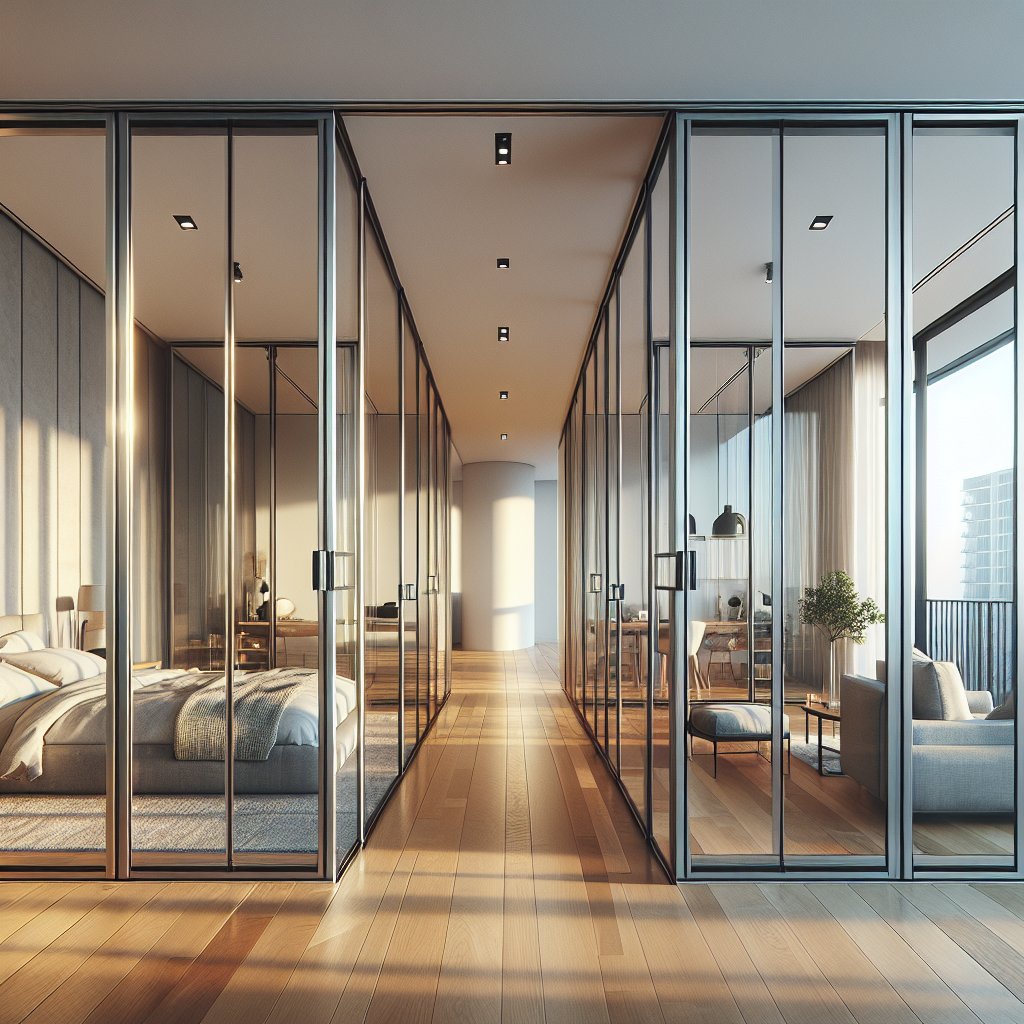
Average Price of Sliding Glass Door
Sticker shock usually happens when someone shops for a sliding glass door the same way they would shop for a basic hinged door. That comparison breaks fast. The average price of sliding glass door systems varies widely because you are not just buying a panel of glass. You are paying for the glass type, frame material, hardware quality, track design, sizing, safety features, and often installation complexity.
For homeowners, a simple interior bypass setup may start at a relatively accessible price point. For offices, conference rooms, home office enclosures, or custom room dividers, the cost climbs because performance expectations are higher. Quiet operation, long-term durability, exact sizing, and clean architectural detailing all affect the final number. If you want a realistic budget, you need to know what actually drives cost.
What is the average price of sliding glass door systems?
In the US market, the average price of sliding glass door products typically falls between $1,000 and $3,500 for many interior applications, depending on size, materials, and hardware quality. Basic residential-ready systems can come in lower, while premium custom systems for offices or design-focused homes can run $4,000 to $8,000 or more when multiple panels, specialty glass, and professional installation are involved.
That range is broad for a reason. A prefabricated closet-style slider is not priced like a demountable glass office front. A single-panel interior door is not priced like a full conference room enclosure. The more the system needs to do – divide space, control sound, operate quietly, fit an exact opening, and maintain a refined appearance over years of daily use – the more important the engineering becomes, and the more the investment reflects that.
The biggest factors behind sliding glass door cost
The fastest way to understand price is to separate the visible features from the structural ones. Buyers tend to notice glass and finish first, but long-term value usually comes from the parts they do not immediately see.
Size and configuration
A standard-size single sliding panel costs less than a multi-panel system or a custom-width opening. Once a project moves beyond standard dimensions, fabrication, shipping, and installation planning become more involved. Large-format glass also requires stronger hardware and more precise engineering.
Configuration matters just as much as width. A bypass closet door, a barn-style glass slider, and a bottom-rolling framed office partition may all look similar in photos, but they perform very differently. More panels, fixed sidelites, corner layouts, and integrated partition systems all increase cost.
Glass type
Clear tempered glass is common and usually the most cost-efficient premium option. Frosted, low-iron, laminated, or decorative glass raises the price. In office settings, buyers often choose glass that supports privacy without blocking light, which can add to the budget but significantly improve functionality.
Safety standards also matter. Tempered and laminated glass options cost more than lower-grade alternatives, but this is not an area where cutting corners makes sense. In a commercial or active residential setting, safety-rated glass is part of the real value of the system.
Frame and hardware quality
This is where pricing can shift quickly. Thin, modern aluminum framing with high-grade rollers and clean track systems costs more than builder-grade hardware. It also tends to perform better over time. Cheap rollers create noise, drag, and misalignment. Premium systems are built for safety and performance, especially in high-use environments.
If a door is opened dozens of times a day, hardware is not a cosmetic decision. It is a lifecycle decision. Better systems cost more upfront but generally reduce service issues and maintain a more polished appearance.
Customization
Custom sizes, finish options, privacy levels, handle selections, and partition integration all affect the total. Custom work is often the right choice when the goal is to maximize usable space and achieve a tailored architectural look. It simply requires a larger budget than an off-the-shelf unit.
For commercial spaces, customization can also improve future flexibility. A demountable or movable system may cost more initially but can support reconfiguration later, which changes the long-term value calculation.
Installation complexity
Installation is often underestimated. A door going into a finished opening with level floors and solid wall support is straightforward. A system that needs structural reinforcement, precise alignment across wide spans, or coordination with partition walls is not.
Professional installation can add several hundred dollars for a simple project or several thousand for a larger office build-out. If the opening is out of square or the flooring transitions are uneven, labor increases because the installer has to compensate for site conditions while preserving smooth operation.
Residential vs. commercial pricing
Residential buyers often ask one simple question: what will a sliding glass door cost for a bedroom, closet, office nook, or room divider? In many homes, a standard interior system may land between $1,000 and $2,500 installed, with custom or more design-forward options ranging higher.
Commercial buyers usually need a different answer because they are not purchasing just a door. They are purchasing a space-planning component. A conference room entry, a glass office front, or a salon suite slider may be part of a larger glass partition system. In those cases, the average price of sliding glass door solutions can move into the $2,500 to $8,000 range or beyond depending on dimensions, glass specification, hardware, and installation coordination.
The difference comes down to use case. Commercial systems are often expected to support heavier traffic, stricter safety requirements, more exact visual consistency, and better acoustic or privacy performance. Those are premium requirements, and the budget should reflect them.
Standard doors vs. premium engineered systems
If you compare quotes and see a major gap, the lower number is not always a better deal. Sometimes it is simply a different category of product.
A lower-cost system may use thinner framing, lighter-duty rollers, simpler track design, and fewer customization options. That may be fine for a low-use closet opening. It is less ideal for a conference room, home office, or frequently used interior divider where noise, alignment, and durability matter.
Premium engineered systems usually cost more because they are designed to last for decades. Silent operation, stronger bottom-wheel support, more reliable locking, better finish durability, and precise fabrication all add cost. They also create a better user experience every day, which is why many design-conscious buyers and commercial decision-makers choose them.
How to budget more accurately
A realistic budget starts with the opening, the function, and the finish level you expect. If the goal is simply to separate one room from another, your budget can stay relatively controlled. If the goal is to improve light flow, maintain a clean modern aesthetic, support privacy, and create a flexible interior system, expect a higher range.
It helps to think in tiers. Entry-level interior sliding glass doors usually cover basic dimensions and simpler hardware. Mid-range systems offer stronger visual refinement, better rollers, and more finish choices. High-end systems are typically custom, quieter, safer, and more integrated into the architecture of the room.
One practical step is to ask for a quote that clearly separates product cost from installation cost. That makes comparison easier and helps you see whether you are paying for better materials, more customization, or more difficult site work. For buyers evaluating custom interior systems, Doors22 is one example of a manufacturer focused on premium sliding glass solutions with exact sizing, safety engineering, and quote-based pricing.
When paying more makes financial sense
Not every project needs the highest-end option. But there are cases where spending more is the smarter move.
If the door will be used daily, if the space needs to look polished for clients or staff, or if you are trying to preserve openness while defining zones, the system quality becomes visible fast. A poorly made slider can wobble, stick, rattle, or age badly. A well-engineered one feels quiet, stable, and intentional from day one.
Custom sizing can also prevent expensive workarounds. Instead of reframing an opening or accepting awkward gaps, a made-to-order door can fit the space properly and protect the design standard of the project. In both homes and offices, that often delivers better value than forcing a standard unit into a nonstandard space.
So what should you expect to pay?
If you want a practical rule of thumb, expect the average price of sliding glass door systems for interior use to start around $1,000 for simple applications and move into the $2,000 to $5,000 range for better materials, custom sizing, and professional installation. Larger commercial systems and premium multi-panel layouts can exceed that range comfortably.
The right budget is not just about the lowest number. It is about matching the system to the way the space needs to perform. When a sliding glass door is chosen well, it does more than divide a room. It improves flow, preserves light, and gives the space a cleaner, more efficient way to work.
.png) Share this post with others
Share this post with others


