
Fostering Collaboration: How Glass Partitions Transform Conference Room Dynamics
Fostering Collaboration: How Glass Partitions Transform Conference Room Dynamics
Fostering Collaboration: How Glass Partitions Transform Conference Room Dynamics
I remember stepping into a conference room one day, the air thick with tension. The usual signs of disconnection were there: crossed arms, distracted eyes, and whispered side conversations. Everyone was physically present, yet it felt like we were worlds apart. Conference rooms can be paradoxical spaces—designed for discussion, yet often breeding silence. I’ve thought a lot about how the environment influences our interactions in those crucial moments, and I’ve become increasingly convinced that design choices, like the use of glass partitions, can significantly alter the dynamics of such spaces.
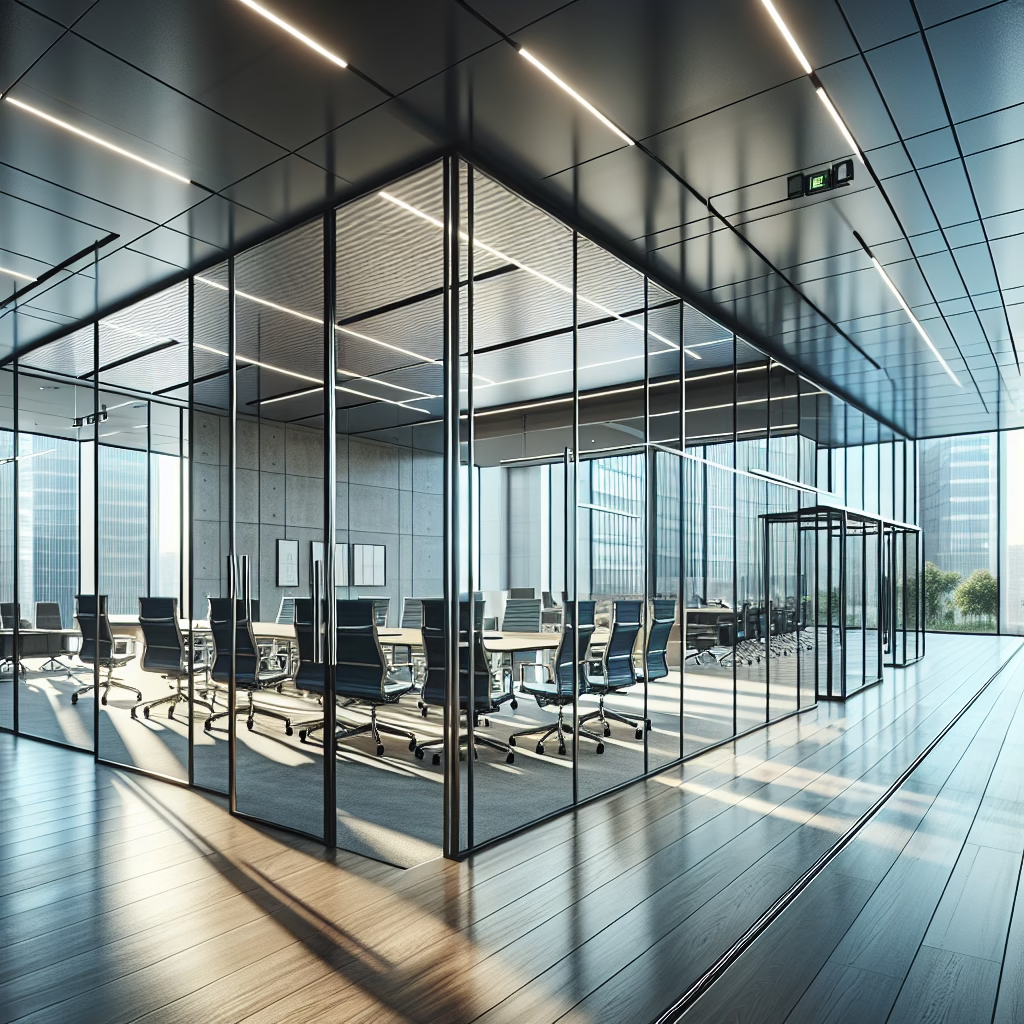
Picture this: a room confined by four solid walls. The mood can feel suffocating, almost claustrophobic. But when glass partitions are introduced, the whole atmosphere shifts. They invite light in, creating an openness that fosters connection. You can hear the hum of conversation beyond those panels, and there’s something encouraging about knowing you’re part of a larger workflow. I recall a project meeting where glass walls wrapped around the conference area. As we discussed ideas, we could see colleagues walking by, engaged in their own conversations. It created an informal network that nudged us to exchange glances and smiles, even in the midst of brainstorming.
What strikes me most is how glass partitions break down barriers—both physical and psychological. When walls are opaque, we tend to retreat into our shells, hesitant to speak up even if we have something valuable to share. But with glass, there’s a sense of shared responsibility. It’s almost as if the transparency extends beyond the materials and seeps into our attitudes. I once participated in a deep-thinking session where we were all seated around a large round table framed by glass. The clarity of our surroundings led to a clarity of thought. Ideas flowed more freely, and the previous hesitance ebbed away, giving rise to a vibrant exchange of fresh perspectives.
In these spaces, inclusivity takes on a whole new meaning. When we feel seen, we tend to engage more actively. I witnessed this firsthand in a recent meeting about a community project. Participants were of all ages and backgrounds, and some were initially quiet. However, once the doors swung open to reveal our bustling office, people leaned in. They saw others actively listening, discussing, and bouncing ideas off one another. The glass partitions didn’t just separate sections of the room; they connected us.
Another fascinating aspect of glass is how it can be used to define zones. While keeping an open feel, glass can guide conversations to their intended destinations. I remember a time when we transformed a typical conference room layout into a more dynamic space with partial glass walls. Each section served a purpose, yet the open sightlines meant we could engage with one another seamlessly. It encouraged movement, collaboration, and even a little friendly debate. Those once-dominant ideas of hierarchy faded as everyone felt empowered to contribute.
And it’s not just about perceiving the room; it’s about the overall functionality enhanced by glass design. For example, I’ve noticed how many modern conference rooms with glass partitions are equipped with collaborative tech tools. The transparency of the partitions invites creativity, while technology serves as the backbone to support dynamic conversations. We can sketch on a digital whiteboard while referencing shared documents projected on the wall. That symbiosis is invigorating and makes discussing topics that once seemed daunting feel entirely approachable.
Sometimes, change comes slowly. In the beginning, we adopted glass partitions cautiously—wondering if it was merely a trend or if it could reshape the nature of our communication. As we observed our executive meetings evolve, our skepticism vanished. One day, I looked around the room and saw unfamiliar faces, but they seemed engaged. We were all collaborators in a shared vision, animated by openness. This solitary change in our physical environment had ignited a real shift in how we viewed teamwork.
Moreover, it’s essential to emphasize that glass partitions aren’t mere aesthetic enhancements; they signify an organizational culture that values communication and connection. Companies that embrace such transparency are often seen as more progressive. Employees feel more connected not just to their tasks but also to one another. This can lead to increased morale, as team members feel their contributions matter. I’ve talked to colleagues in various departments who mentioned how these designs encouraged informal discussions, leading to innovative solutions and serendipitous encounters.
Still, there’s a delicate balance to maintain. While glass partitions can be transformative, overexposure can lead to distractions. A conversation in a busy office might drift away, losing focus. The key is intentionality in design. Gradual investments in soundproofing, the use of strategic colors, and the arrangement of furniture can enhance the overall experience while keeping that precious open feel. Ensuring that the space offers moments of privacy, even within glass, can truly transform conference room dynamics in a profound way.
As I continue to engage in this evolving landscape of working environments, I’m increasingly convinced that the design elements we choose profoundly influence our collaborative efforts. Glass partitions symbolize more than just a physical separation; they represent a culture of transparency, engagement, and shared purpose. They invite us to step beyond our comfort zones, fostering a sense of community where diverse ideas can flourish.
Moving into a conference room with glass partitions feels like stepping into a fresh world of possibilities. I’ve experienced the magic that happens when everyone—instead of feeling like separate islands—comes together as part of a cohesive team. With each conversation, each idea shared, we redefine what collaboration means in our professional environments. It’s remarkable how something as simple as glass can redefine the dynamics of an entire room, igniting not just discussions but genuine connections that can lead to lasting impact. In the end, that’s what collaboration is all about—sharing ideas and building a brighter future, together.
.png) Share this post with others
Share this post with others


