
Sleek and Stylish: How Glass Partitions Redefine Modern Workspaces
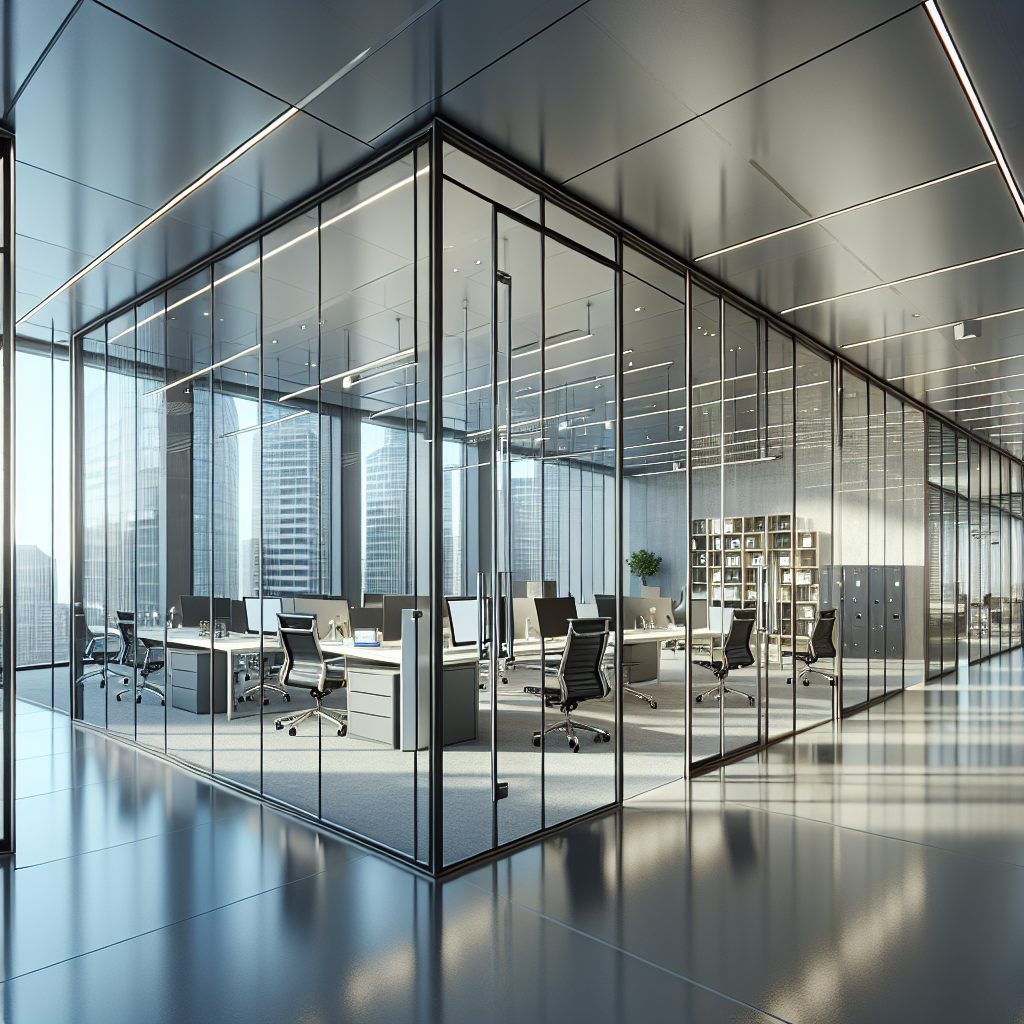
Sleek and Stylish: How Glass Partitions Redefine Modern Workspaces
Walking into a modern office these days often feels like stepping into a curated art gallery rather than a traditional workplace. Bright light spills into open spaces, showcasing minimalist furniture and thoughtful designs. But what really catches my eye—and my breath—is the elegant use of glass partitions. Sleek and stylish, these translucent dividers are not merely functional; they’re redefining the very essence of what a workspace can be.
Let’s think about the traditional office layout for a moment. Cubicles twisting into a labyrinthine mess, walls trapping in ideas rather than encouraging collaboration. I remember working in an office where the partitions were stark and beige, both oppressive and uninspiring. It didn’t just feel isolating—it negatively impacted our creativity and motivation. Glass partitions challenge this status quo. They shatter that sense of confinement, creating a seamless flow between spaces while allowing privacy when it’s needed.
Picture this: a bustling team meeting in a room defined by clear glass. There’s a sense of transparency, both literally and figuratively. A couple of walls away, I could see another group engaged in an animated brainstorming session—a hum of creativity that feels contagious. The transparency of glass partitions facilitates an open exchange of ideas, encourages spontaneous interactions, and fosters a culture of innovation. It’s almost as if the glass itself is whispering, “Let’s collaborate, connect, and inspire one another.”
The aesthetics of glass partitions can’t be overlooked either; they bring a touch of elegance and sophistication to any office design. In one office I visited, the partition walls were framed in sleek, black metal. This combination magnified the modern appeal while ensuring the glass wasn’t just an afterthought—it was a carefully curated element of the overall environment. The interplay of natural light reflecting off the glass created a warm ambiance that felt inviting. I was captivated by how an otherwise utilitarian feature could enhance the beauty of the space.
Let’s not forget the practical advantages. In a world more attuned to health and well-being, glass partitions can promote both. They allow natural light to flood through, reducing the need for artificial lighting, which has a profound impact on our mood and productivity. Studies show that exposure to natural light can boost energy levels and improve focus. In the office I worked in, rooms with glass partitions always had a different vibe. People seemed happier, more engaged. It was hard not to feel invigorated by the combination of sunlight and the freshness of a well-designed space.
Then there’s the flexibility that glass partitions offer. As businesses grow and evolve, their needs change. Glass isn’t a fixed element; it’s adaptable. A company can reconfigure a workspace with minimal disruption. I watched my friend’s startup thrive as they first began with a few collaborative areas defined by glass partitions. Over time, they adjusted the layout, changing the whole dynamic of the office without extensive renovations. The ability to scale and shift the design without losing that sleek aesthetic makes glass an invaluable choice for modern workplaces.
Another aspect that strikes me is sustainability. In an era where businesses are keenly aware of their environmental footprint, glass partitions can reflect a commitment to sustainable practices. Many modern options involve recyclable materials, and they make effective use of resources. It’s encouraging to see companies consciously choosing materials that align with their values. When entering these spaces, it feels as though the very design is aligned with a greater good—a commitment to thoughtful living and working.
But let’s talk about the emotional impact of glass partitions. In workplaces where mental and emotional well-being is a priority, these transparent dividers can serve as a daily reminder that we’re not isolated. The visual connection between spaces calms anxieties, fostering a sense of belonging and togetherness, even in a sometimes chaotic atmosphere. When I sat in my favorite office cafe, I noticed how employees would glance over at colleagues in other parts of the office, sharing a smile or nod. It cultivated a community spirit that permeated the air, so different from those stone walls of yesteryear.
One of my favorite experiences involved an art installation in an office designed with glass partitions. Instead of dreary wall art, they adorned the glass with vibrant, hand-painted designs. This didn’t obscure the view; it added character while still preserving that sleek, modern look. It showcased a unique company culture that genuinely cared about creativity, making the environment feel lived in and loved.
Glass partitions also give a breath of freshness, allowing us to rethink how we define boundaries. The concept of an ‘office’ isn’t confined to four walls anymore. It’s fluid, it’s dynamic, and it reflects our desire to break down barriers—not just physically, but also culturally and intellectually. These transparent walls symbolize a shift toward inclusivity and collaboration.
As I reflect on glass partitions and their rise in modern workplaces, it’s clear they’re not just a trend. They represent a philosophy. A desire to create spaces that reflect transparency, creativity, and well-being. They invite light—both physical and metaphorical—into our daily grind. For anyone looking to cultivate a space that inspires and connects, glass partitions are not just a trendy design choice; they’re a pathway to a more open, engaged work environment.
In the end, I find myself not just admiring the sleek design, but also inspired by the change they signify. Here’s to more workplaces where glass partitions redefine not just our physical spaces, but our very approaches to collaboration and connection. It’s a transformation worth embracing.
.png) Share this post with others
Share this post with others


