
Transforming Workspaces: The Rise of Glass Dividers in Modern Offices
Transforming Workspaces: The Rise of Glass Dividers in Modern Offices
Transforming Workspaces: The Rise of Glass Dividers in Modern Offices
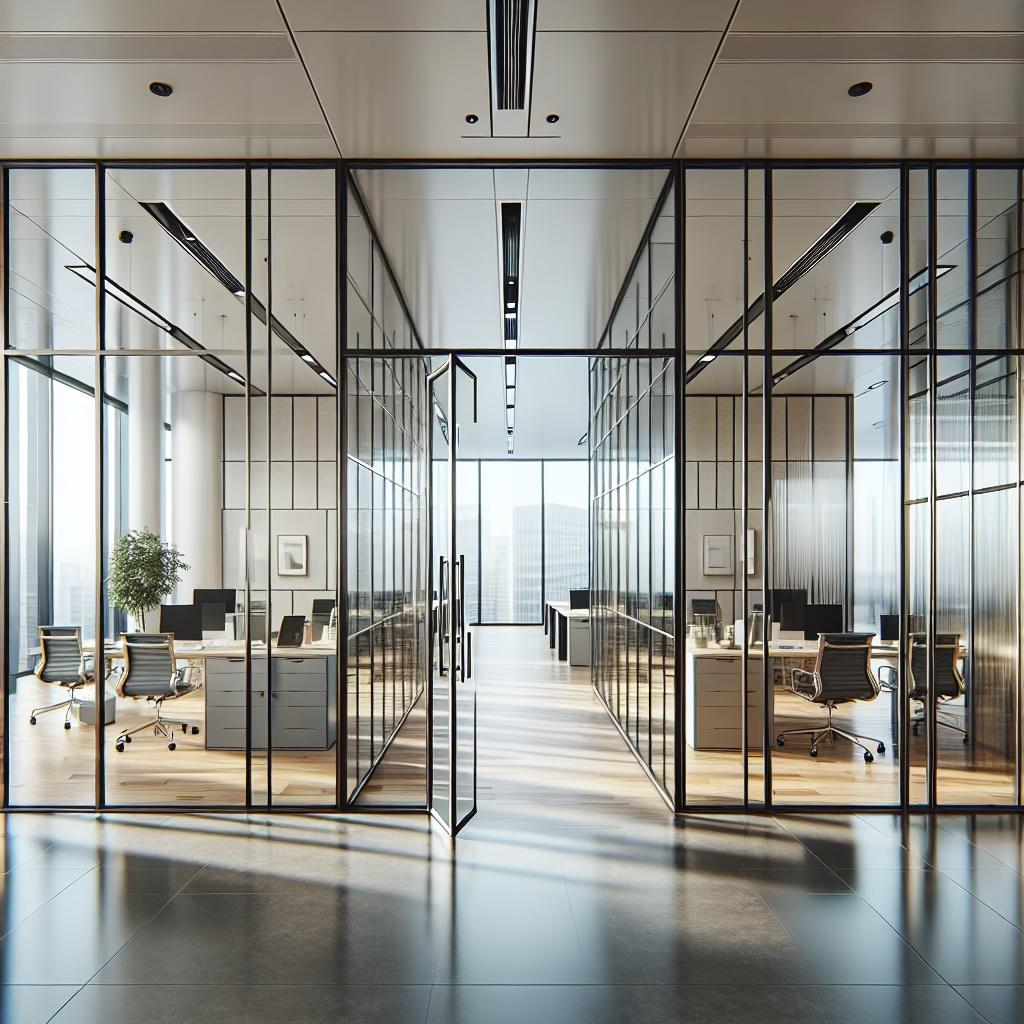
Picture this: I walk into a bustling office one morning, greeted not by the familiar hum of cubicles but by an open expanse filled with sunlight pouring through floor-to-ceiling windows. In this space, I’m struck by sleek glass dividers that elegantly delineate work areas. They shimmer softly in the light, bending the reflections of the people moving around them. It’s a far cry from the claustrophobic, walled spaces I’ve seen before, and I can’t help but feel energized by this transformation.
This evolution in office design is more than just a trend; it’s reflective of how we, as a society, are re-thinking workspace dynamics. As workplaces adapt to modern needs, glass dividers have stepped to the forefront, bridging the gap between collaboration and privacy.
The Challenge of Traditional Offices
In traditional office layouts, countless walls and bulky cubicles often created a sense of isolation. You could be sitting just feet away from a coworker, but still feel worlds apart. I once found myself in an office where every conversation required a loud “Hey, can you hear me?” shouted over the barriers. Productivity took a hit. Collaboration felt forced, almost artificial. The angst of isolation became palpable.
The push for more dynamic work environments began when many of us started to recognize that office design deeply impacts our well-being and productivity. That’s where glass dividers come in—offering a solution that respects the need for both open space and the occasional quiet bubble.
Bringing Light and Transparency
Have you ever noticed how light changes a space? Walking into a room filled with natural light can uplift your mood almost instantly. Glass dividers capitalize on this, allowing illumination to flow freely throughout an office. Instead of dark, cornered cubicles, these transparent walls create a sense of openness. I was amazed to find that the mere presence of glass transformed an ordinary office into a vibrant ecosystem of creativity. Employees could see their colleagues, smile, and wave, all without leaving their desks.
Moreover, transparency fosters a culture of trust and openness. When you can see what’s happening around you, it demystifies the action within an organization. I remember listening in on a brainstorming session, caught up in the collaborative energy, simply because I could see and hear the spark of ideas being exchanged. Suddenly, those glass dividers felt like barriers that invited connection rather than dividing us.
Promoting Flexibility and Adaptability
Another appealing aspect of glass dividers is their flexibility. With the hustle of modern work dynamics, spaces need to adapt quickly. I’ve witnessed companies transform entire floor plans in response to shifting team structures, and glass dividers make this easier. Want to create a quiet zone for focused work? Just slide a few panels into place. Need a mini-conference room for an impromptu meeting? Move them around. This fluidity allows for creative arrangements that gel with the ever-evolving rhythm of the workplace.
What’s more, during a recent visit to a tech startup, I saw their employees conducting a poll through a simple survey pinned on one of those glass panels. Everyone gathered around, exchanging quick ideas and feedback. It felt less like a meeting and more like a friendly discussion, all because the space encouraged it. Glass creates an environment where ideas can flow freely.
The Balance of Privacy and Collaboration
While open environments have their perks, privacy remains essential in certain situations. Glass dividers adeptly find the balance, offering a haven for focused work without shutting anyone out entirely. I’ve settled into makeshift lounges formed by these dividers, where discussions take place at a lower volume, creating a respectful atmosphere for deep work.
I often think about my friend who works in a creative agency. She has a glass-walled office, offering her a measure of privacy while keeping her accessible. When clients visit, they can see her hard at work, which builds trust—yet she can also disappear into her creative cocoon when she needs to concentrate. This ingenious balance underscores the true purpose of glass dividers.
Inspiring Aesthetic Appeal
Let’s not gloss over the design aspect. Glass dividers don’t just serve practical purposes; they also elevate the aesthetic quality of a workspace. Instead of monotonous beige walls, these dividers bring an almost artistic element into offices. I’ve walked through spaces that incorporated vibrant colors in their glass designs or etched patterns that tell a story. These thoughtful touches speak volumes about a company’s culture. Glass becomes not just a divider but an element of inspiration, hinting at the creativity that flows within the walls.
Even the familiar environmental elements have taken a turn; glass dividers often come with integrated green plants or boost acoustics with innovative materials. They are designed to feel alive, merging nature with modern design—a concept increasingly relevant in our growing awareness of workplace wellness.
Conclusion: A New Era of Workspaces
As we navigate this new era of workspaces, the rise of glass dividers resonates deeply. They represent a shift in how we communicate and collaborate. They provide a refreshing alternative to traditional barriers, inviting light, flexibility, and a culture of transparency through their very design.
Reflecting on my experiences, I feel a renewed sense of hope for the future of office environments. I imagine entering a workplace that not only inspires creativity but also nurtures connections. Glass dividers might seem simple, but they encapsulate a profound transformation in our professional lives. They remind us that the spaces we occupy can influence how we feel, how we work, and ultimately, how we interact.
In this embrace of openness, both literally and figuratively, we step into a future that promises more collaboration, more innovation, and quite possibly, a little more joy in our day-to-day work lives. Who would have thought that such a simple material could be a catalyst for such significant change?
.png) Share this post with others
Share this post with others


