
Transparency in Design: Transforming Home Offices with Architectural Glass
Transparency in Design: Transforming Home Offices with Architectural Glass
Transparency in Design: Transforming Home Offices with Architectural Glass
I remember the early months of remote work vividly. My makeshift home office, a small nook squeezed into the corner of the kitchen, was functional but felt stifling. A solid wall behind me, a cluttered counter in front, and an overwhelming sense of isolation enveloped the room. I often found myself daydreaming about a workspace that inspired creativity rather than suppressed it. There had to be a better way to blend function, comfort, and openness.
That’s when I started exploring the concept of transparency in design—specifically how architectural glass could transform not just the aesthetics of a space but its very feel. The idea struck me: why not have a home office that feels part of the home and yet offers a distinct sense of purpose and serenity? The interplay of light and space fascinated me. It became clear; integrating glass could potentially redefine my workplace experience.
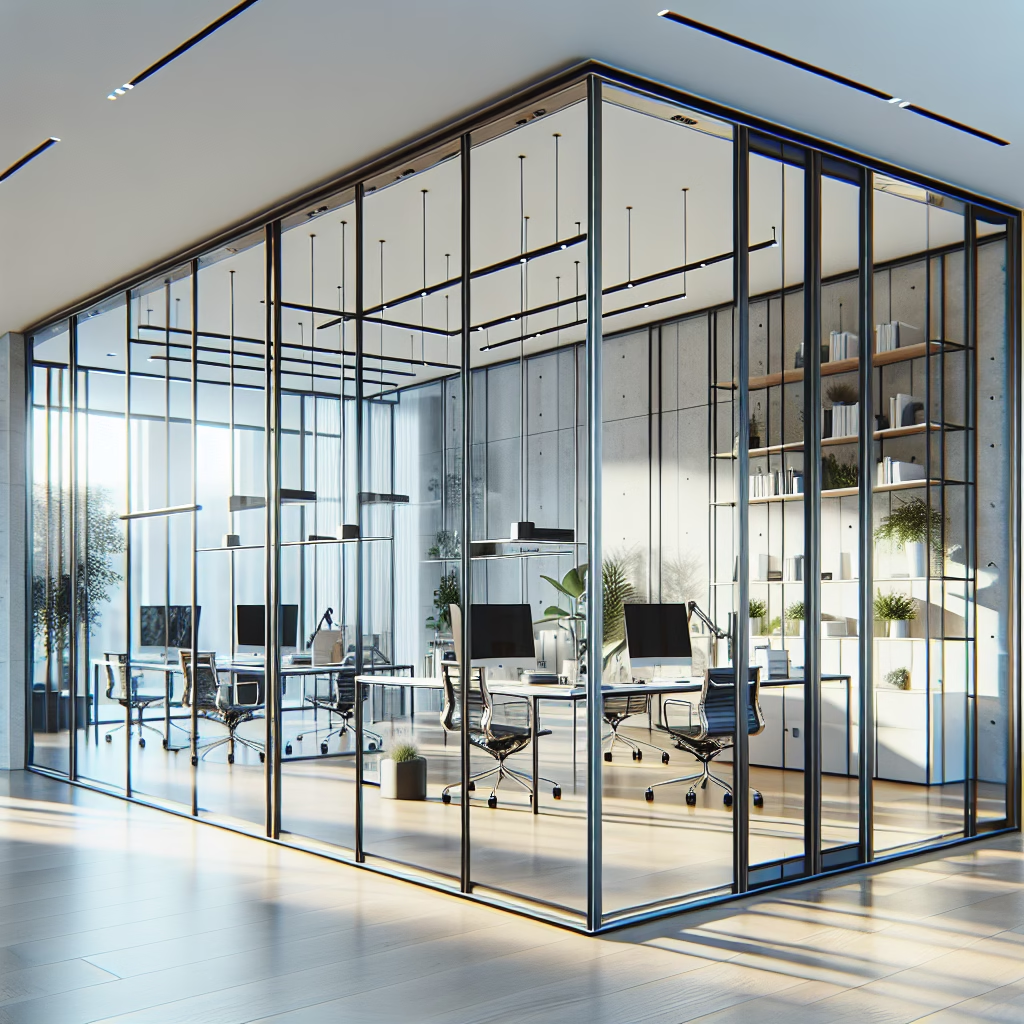
Imagine walking into an office encased in glass. The minute you step in, you’re met with warmth from the sun filtering through, illuminating everything in a gentle glow. Walls that once felt imprisoning dissolve in transparency, inviting not just light but also a connection to the world outside. I began to visualize a space that didn’t just serve a function but also offered a nurturing atmosphere. Each day, I would bask in the ever-changing light, watching the shadows morph as the day progressed.
The magic of architectural glass isn’t just in its beauty; it’s in its power to connect. When I think of traditional office setups, they often create a barrier—a separation. But with glass walls, there’s continuity between spaces, between the home office and common areas. I could hear laughter from the living room, see my children playing, all while maintaining focus on my work. That delicate balance of connection and solitude became my office’s defining feature.
One of the most striking aspects of this design isn’t merely how it looks; it’s how it influences productivity. There’s something invigorating about being surrounded by natural elements, even if it’s just through a pane of glass. The outside world is just a glance away, a reminder that life continues beyond the tasks at hand. Having light pouring in and greenery visible through windows or glass doors isn’t just soothing; it nurtures creativity. I found myself more engaged and inspired to think outside the box simply because I was surrounded by transparency and light.
Of course, I had concerns—privacy being the foremost. If we’re being honest, who hasn’t craved a little solitude while on a conference call or found themselves adjusting their camera’s angle to avoid distractions? But that’s another reason I appreciated architectural glass; it can be designed for functionality. Frosted or tinted options still allow light to filter through while maintaining a measure of privacy. This thoughtful design creates a space that fosters communication without compromise.
Making the leap from a conventional setup to incorporating glass was not without its challenges, though. Navigating the logistics of installation and cost was daunting. I wanted it to blend seamlessly with the rest of the home, working with the existing architecture rather than fighting against it. As I dove into the world of custom glass solutions, I found a plethora of options, from sliding doors to floor-to-ceiling panels. It became an exercise in finding the right balance: beautiful yet practical, modern yet cohesive.
As construction began, I was overcome by excitement. I envisioned sundrenched mornings punctuated with vibrant colors reflecting off the glass, perhaps a cup of steaming herbal tea in hand, as delicate rays warmed my face. Slowly, the glass structures emerged, not just as walls but as living, breathing parts of the home. This space began to feel like a sanctuary where the mundane office tasks were juxtaposed against breathtaking views of the garden outside.
When it was complete, I stepped inside for the first time, and a wave of warmth enveloped me. My home office was no longer just a corner; it had transformed into an oasis of creativity. I recall distinctly how the late afternoon sun poured in, casting a golden hue over my workstation, igniting inspiration. It was a place where productivity thrived, but there was also room for pause and reflection.
This transparency in design did more than transform a physical space; it reshaped my entire approach to work-from-home life. I found myself less fatigued, more present, and surprisingly more connected—not just to my work but to my family as they moved about in shared spaces. The office was no longer a separate world; it blended seamlessly into the rhythm of home life.
Now, I often reflect on how just a few simple changes can create expansive opportunities. A glass-walled office is a testament to the beauty of transparency—not just in design but in our lives. It breaks down barriers, encourages openness, and invites light and life into everyday tasks.
As I write this, I feel that same morning sun warming my shoulders, a gentle reminder of the transformation initiated by the thoughtful integration of architectural glass into my workspace. Opening up my home to light and perspective has brought a refreshing clarity to my days. For anyone considering a home office upgrade, I encourage you to think about transparency—not just in design but in how it relates to your work and life balance. Sometimes, it’s simply about letting the light in.
.png) Share this post with others
Share this post with others


