
Transparency in Design: How Glass Partitions Are Transforming Office Environments
Transparency in Design: How Glass Partitions Are Transforming Office Environments
Transparency in Design: How Glass Partitions Are Transforming Office Environments
There’s something magical about a room flooded with natural light. I still remember my first encounter with an office that utilized glass partitions. It was like stepping into a breath of fresh air—an environment that felt open, alive, and, dare I say, invigorating. As I walked through the space, I was struck not just by the aesthetics, but by the tangible shift in mood and productivity that these glass structures inspired.
In many traditional offices, the environment can feel a bit bleak. Cubicles march in formation, walls create an invisible barrier, stifling creativity and collaboration. Yet, when I entered that glass-partitioned office, a sense of community was palpable, almost as if the walls themselves were inviting collaboration. It took me a while to fully understand the impact of transparency in design, but seeing how it played out in that workplace opened my eyes to its profound implications.
Aesthetic Appeal Meets Functionality
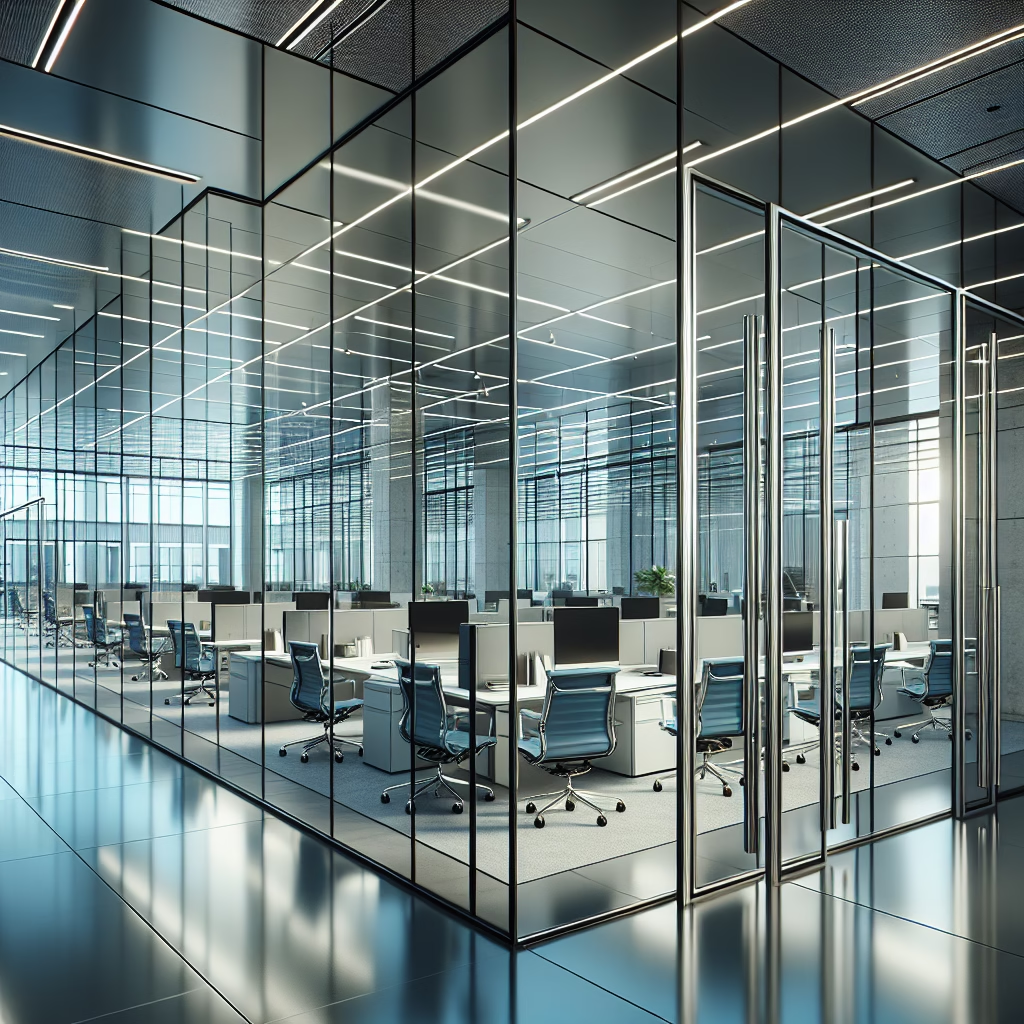
The crystalline clarity of glass partitions adds a certain elegance to any space. When you walk into a room with these partitions, you immediately notice how they catch the light, creating playful reflections and shadows that dance across the floor. It changes how you perceive the entire office. Instead of feeling boxed in, it opens up, revealing interconnected workstations, meeting areas, and lounges—all part of a single, cohesive whole.
But it’s more than just looks. Glass partitions break down the hierarchy that often exists in office environments. When I think about it, how many times have I walked into an office and felt intimidated by closed doors and looming walls? Glass partitions change all of that; they preserve privacy without isolating individuals. They promote a culture of openness while still respecting the need for focused work. You can see your colleagues at a distance, nodding or discussing ideas, but you also maintain the sanctuary of your own space.
Encouraging Collaboration and Communication
It’s not just about aesthetics—it’s about how these designs recalibrate how we work together. In environments where I’ve seen glass used, collaboration thrives. The design becomes an invitation: “Let’s brainstorm.” You’re not alone; you’re part of a community.
I remember a conversation I had with a friend who worked in a highly traditional office until they moved into a new space with glass partitions. She shared how her team felt the shift almost immediately. Ideas flowed more freely in impromptu meetings, and the ability to see others working sparked creativity and curiosity. There was a newfound energy in her voice, a sense of liberation from the constraints of their previous enclosed office design.
Lighting and Well-being: A Breath of Fresh Air
Having worked in both dimly lit cubicles and sunlit offices, I can’t overstate the role of light in shaping my days. Glass partitions allow sunlight to cascade through an entire office space. Unobstructed light not only enhances the aesthetics but also plays a crucial role in our well-being.
Research shows that natural light can influence our mood and productivity levels. I recall a study I read that suggested how those who work in spaces with ample natural light experience less stress and greater focus. In the glass-partitioned office, the vibe was buoyant—people smiled more, engaged more, and yes, the productivity numbers spoke for themselves.
Flexibility and Adaptability
One of the most exciting features of glass partitions is their malleability. They can be rearranged based on the evolving needs of the organization, unlike traditional drywall. Companies are no longer stuck with static office layouts. Instead, they have the flexibility to create versatile spaces—whether it’s for a team brainstorming session or a quieter area for focused work.
I’ve seen companies that resize their glass partitions based on their team’s growth. It’s almost a living structure, transforming as the dynamics of the team shift. One moment you’re in an open collaborative space, and the next it can morph into a more delineated area for specific projects. It reflects the agility many businesses require today.
The Balance of Privacy and Transparency
However, maintaining this balance of openness and privacy is crucial. Not all conversations should be conducted openly, and not every individual thrives in a completely transparent environment. It’s about having options—something glass partitions can facilitate beautifully.
I’ve observed how offices utilize frosted or tinted glass to create semi-private areas. It’s a clever approach; you retain the feeling of openness while ensuring that sensitive discussions can happen without disruption. The glass can act as a barrier, yet it feels fluid, integrating seamlessly with the rest of the space. This nuanced design choice illustrates a deeper understanding of how people work and interact.
Creating Brand Identity
Lastly, let’s talk about branding. An office isn’t just a place where work gets done; it’s a reflection of the company’s culture and values. Glass partitions can embody transparency—a powerful brand message. They signify an organization that values clarity, open communication, and inclusiveness.
When I walk into an office with such design, I feel a sense of belonging even before I’ve said a word. It’s like the office itself is communicating its ethos through its architecture.
As I reflect on my journey through modern office design, it’s clear that glass partitions are more than just a trend. They’re reshaping how we visualize work environments, allowing for a balance of privacy and clarity. They create spaces that foster collaboration and creativity, celebrating the beauty of openness while respecting individual needs.
Through all these layers, the essence of transparency in design emerges. It changes not just the physical space but also the culture within, encouraging communication, well-being, and agility. As more organizations embrace such designs, I remain optimistic about the future of office environments—those splendid, glass-filled havens of creativity that inspire all of us to do our best work.
.png) Share this post with others
Share this post with others


