
Transforming Workspaces: The Rise of Smart Glass Office Partitions
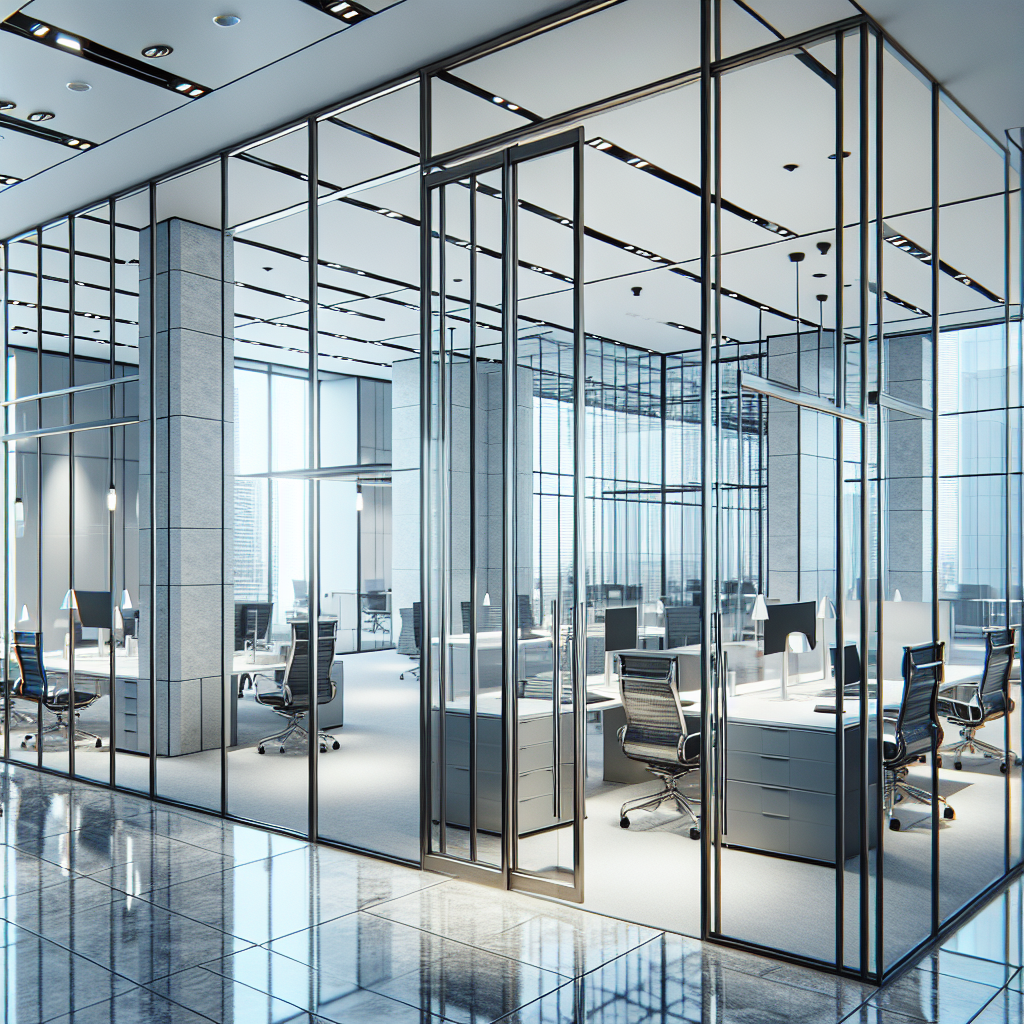
Transforming Workspaces: The Rise of Smart Glass Office Partitions
In the bustling heart of a city, I found myself navigating the corridors of a modern office building. The air buzzed with energy, laughter, and the occasional clatter of coffee cups. But what caught my eye wasn’t just the usual chaos of a workplace. It was the sleek glass partitions that transformed this space into something entirely new. They weren’t just decorative; they were smart, alive, and brimming with potential. This new wave of design—smart glass office partitions—signal a progressive step in our evolving work environments.
Imagine walking into a wide-open space, bathed in natural light. The sun spills in, but instead of a harsh glare, it’s diffused by the translucent smart glass that lines the meeting rooms and collaborative areas. I can almost feel the warmth on my skin. These installations do more than define boundaries; they redefine the atmosphere. No longer do we feel trapped in cubicles or confined by heavy walls. Instead, we’re invited into a world where transparency fosters a sense of trust and openness.
Now, you might wonder: Why is this shift so significant? For one, the versatility of smart glass is a game changer. With just a tap on a smartphone or a remote, these partitions can transform from clear to frosted. It’s like the room is breathing—expanding and contracting based on our needs. I recalled a friend’s recent experience at a team brainstorming session. As ideas flowed, the glass remained clear, allowing everyone to feel connected. But once it was time to dive into confidential discussions, a simple press of a button cloaked the room in pixellated privacy. Practicality meets innovation, creating a fluid environment that adapts to our work styles.
One sunny afternoon, I visited a local tech startup that fully embraced this trend. Upon entering, I found a layout that screamed creativity. The smart glass divisions allowed light to traverse freely while maintaining essential confidentiality. During our discussion, the CEO pointed out the duality of these spaces. “It’s about collaboration and focus,” she said, her eyes sparkling with enthusiasm. If the team needed to reunite in a communal vibe, they could revert the settings to transparent mode. Yet, when deep focus was required, they had the freedom to envelop themselves in privacy without any clunky, soundproof walls.
As I wrapped my mind around this concept, a vision unfolded before me: the potential to create a workspace that morphs with the ebb and flow of daily tasks. This adaptability resonates deeply with the rhythm of modern work life, where meetings sprout spontaneously and focus time demands its sanctuary. I reflected on my own experiences of frantically searching for quiet moments amidst the clamor of open workspaces. With smart glass partitions, the battle to find balance between collaboration and solitude felt more manageable, even appealing.
In thinking about the environmental impact, I couldn’t help but admire the sustainability angle as well. Smart glass not only offers aesthetic appeal but contributes positively to energy efficiency. Effective insulation reduces heating and cooling demands. What’s not to love about a design that merges beauty with responsibility? The unobtrusive nature of these partitions means they fit seamlessly into buildings of any age or style, promising to elevate aesthetics without compromising the environment.
Still, there’s a nuance to this conversation that sparks a deeper reflection. In our ever-connected age, as we embrace technology in our workspaces, how do we ensure we don’t lose the human touch? Watching colleagues connect over shared ideas often reminds me that while technology enriches our experiences, it’s the personal bonds that fuel genuine creativity. I believe smart glass partitions help strike this balance—offering flexibility, transparency, and accessibility while still allowing us to retreat when we need it most.
During my visit to that tech startup, a young designer caught my attention as she animatedly spoke about her latest project from behind a frosted glass. She was completely engrossed in her flow state, and yet, I could see glimpses of her creativity through the translucent surface. Her passion animated every gesture. Here was a vivid proof that smart glass partitions indeed enrich, rather than isolate. They create rooms of inspiration, rooms that spark conversation yet provide serene spaces when focus is at its most relevant.
Of course, the aesthetic choices surrounding smart glass partitions warrant consideration too. The sleek finish, various tint options, and elegant framing create a palette that can match any corporate identity. Picture a sleek boardroom with a panoramic view masked behind elegant glass; it feels intentional, curated. This speaks to how thoughtful design transcends mere functionality—creating environments that mirror the values of a company.
As I left that office, I carried with me a renewed insight into what work could feel like—inviting, adaptable, and human. The rise of smart glass office partitions is more than just a trend; it’s a reflection of our collective desire to engage dynamically with our workspaces. They remind us that offices should evolve alongside society’s changing rhythms, nurturing both collaboration and individuality.
So, as we continue to redefine our working environments, I hope we embrace these innovations that emphasize transparency, adaptability, and sustainability. The smart glass partitions are more than walls; they are windows into a promising future of how we engage, create, and connect. I believe we’re witnessing a remarkable transformation that’s more than just practical; it’s about the experience of work itself, and that’s incredibly exciting.
.png) Share this post with others
Share this post with others


