
Transforming Workspaces: The Rise of Laminated Glass Office Partitions
Transforming Workspaces: The Rise of Laminated Glass Office Partitions
Transforming Workspaces: The Rise of Laminated Glass Office Partitions
Have you ever walked into an office and felt an overwhelming sense of confinement? The dull colors, the solid walls, the oppressive atmosphere? It can be stifling. I remember a time when I was at a friend’s startup, and each team member was trapped behind tall, gray cubicles. The energy felt heavy—like we were all in separate boxes, working in silence, with our creativity dulled. It’s fascinating how the physical layout of a workspace can impact mood, productivity, and even collaboration.
In recent years, I’ve noticed a shift in how companies are approaching office design, especially with the rise of laminated glass office partitions. These walls of transparency are not just about aesthetics; they’re transforming the very way we think about collaboration, privacy, and space.
The Aesthetic Appeal
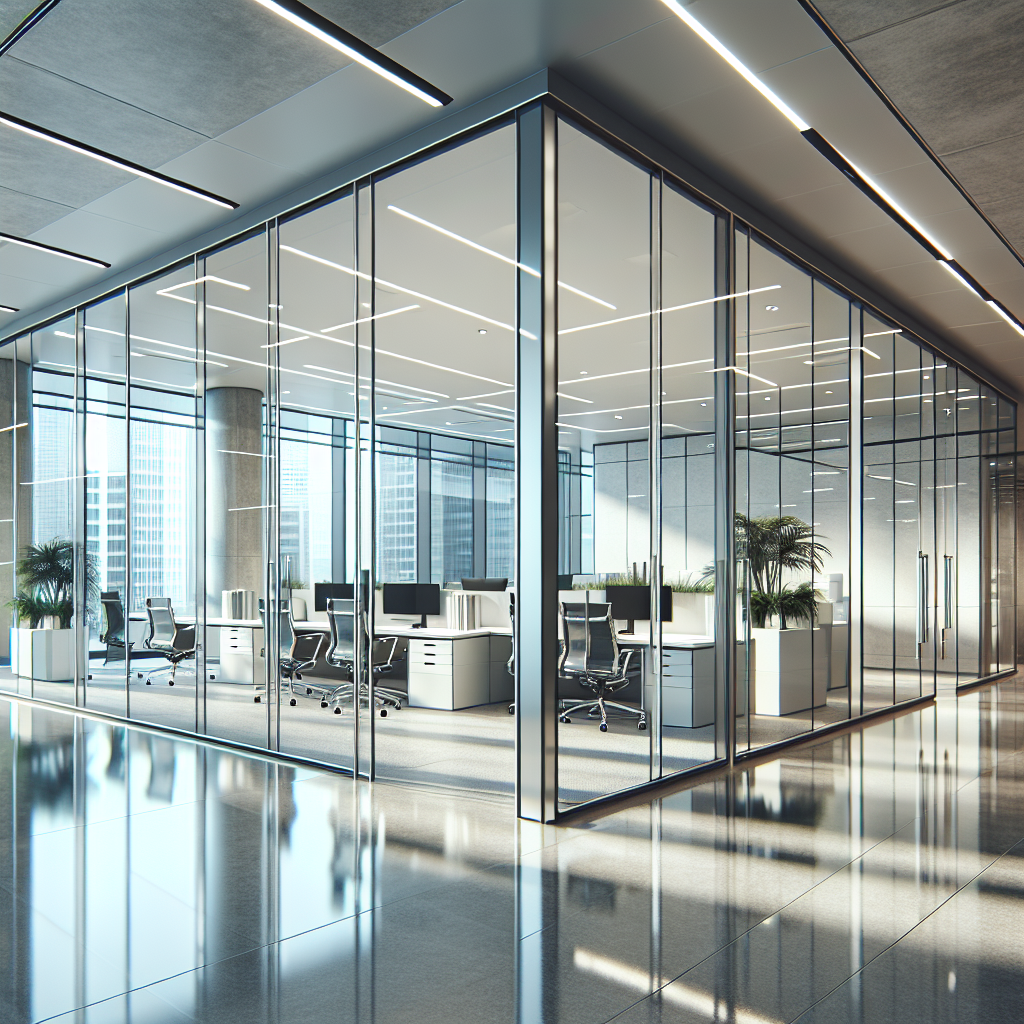
When I first encountered a workspace that employed laminated glass partitions, I was caught off guard. Instead of the sterile, closed-off feeling I often associated with office environments, there was light—so much light. The office felt expansive, with sunlight filtering in, softening the starkness of typical office environments.
The glass isn’t just about looks; it’s about creating a welcoming atmosphere. You can see your colleagues and feel connected to the space. I’ve spoken to friends who work in companies that have embraced this design, and they all echo a similar sentiment: it feels less claustrophobic and more engaging. The natural flow of the workspace reflects a sense of openness, breaking the isolation that can come from solid walls.
Redefining Boundaries
However, it’s not just about aesthetics. One key transformation I’ve observed is how laminated glass partitions redefine boundaries. In a traditional office, walls create barriers, often leading to silos where departments operate independently. But with glass partitions, it’s as if those barriers dissolve—while still providing a degree of separation.
For example, in an advertising agency I visited recently, the creative team had their brainstorming space enclosed by glass walls. This setup allowed them to have focused discussions while remaining visible to the rest of the office. When ideas bubbled over, it was easy for others to join in or contribute, fostering a culture of collaboration. It was a beautiful blend of privacy and inclusivity, and I could see how that arrangement paved the way for fresh ideas and shared insights.
The Sound of Innovation
Another aspect we often overlook in office design is acoustics. I can recall a time when I was in an open office setting trying to concentrate—there were conversations floating around me, coffee machines grinding, phones ringing. It felt like a chaotic symphony that made it difficult to find my focus.
With laminated glass partitions, companies are not just investing in beautiful design; they’re also considering the sound dynamics of the workspace. The glass acts as a barrier to sound without isolating individuals completely. During a recent visit to a tech firm with a layout featuring laminated glass, I was pleasantly surprised. Conversations could be heard, but they felt contained. There was a noticeable buzz in the air—creative energy flowing, yet still manageable.
Flexibility and Adaptability
What’s equally striking is the adaptability that laminated glass partitions offer. In a world where business needs shift rapidly, the ability to reconfigure spaces can be a game-changer. I remember hearing about a company that quickly pivoted to a hybrid work model during a time of change. They used movable glass walls to create temporary meeting rooms and workspaces that could be adjusted based on daily requirements.
The idea of having these dynamic workspaces eliminates rigidity. Employees can alter their environment to suit group projects, quiet work, or informal meetings. This flexibility helps cultivate an innovative culture where adaptability becomes second nature, allowing teams to thrive in changing conditions.
Privacy Without Isolation
Now, let’s talk about the phrase “privacy” in office spaces. It’s often viewed as a paradox, especially in open-concept designs. Many of us crave privacy to think deeply or engage in sensitive conversations while recognizing we’re part of a larger team. Laminated glass partitions offer that balance beautifully.
I recently attended a workshop in an office that integrated these partitions. Each pod was created by using glass walls that provided separation while allowing everyone to feel connected. Inside, teams could delve into discussions without the anxiety of being overheard, yet they never lost the sense of belonging to the collective office atmosphere. It was a comforting revelation—a sense that, even amidst individual work, we were all in this together.
A Sustainable Future
Finally, I can’t overlook the environmental aspect in this discussion. Laminated glass incorporates sustainability practices, enhancing energy efficiency and utilizing recyclable materials. There’s a rising awareness about our choices and their broader impacts. When companies invest in technologies that promote sustainability, they’re also showcasing their values. It’s refreshing to see how modern designs can fulfill aesthetic, functional, and environmental goals all at once.
Conclusion: A New Era of Workspaces
Reflecting on my experiences, the rise of laminated glass office partitions is much more than a design trend; it’s a shift in how we conceptualize workspaces. They allow us to reimagine our approaches to collaboration, creativity, and community.
As companies increasingly embrace this transformative design, I can’t help but feel a sense of excitement about the future of work. It’s an invitation to create environments that inspire innovation, foster connection, and recognize the delicate balance between privacy and openness. I find joy in knowing that our workspaces can reflect our values, ambitions, and, ultimately, our humanity.
.png) Share this post with others
Share this post with others


