
Silent Spaces: The Rise of Quiet Office Glass Partitions
Silent Spaces: The Rise of Quiet Office Glass Partitions
Silent Spaces: The Rise of Quiet Office Glass Partitions
There was a day not too long ago when I found myself in a bustling open office, surrounded by the constant hum of conversations, the tap-tap-tapping of keyboards, and the occasional burst of laughter. While there’s a certain camaraderie in shared spaces, I couldn’t help but feel a tug of distraction pulling me away from my tasks. My mind wandered, drifting between thoughts of deadlines and the symphony of noise around me. It was then that I stumbled upon a notion that has been quietly taking office design by storm — glass partitions.
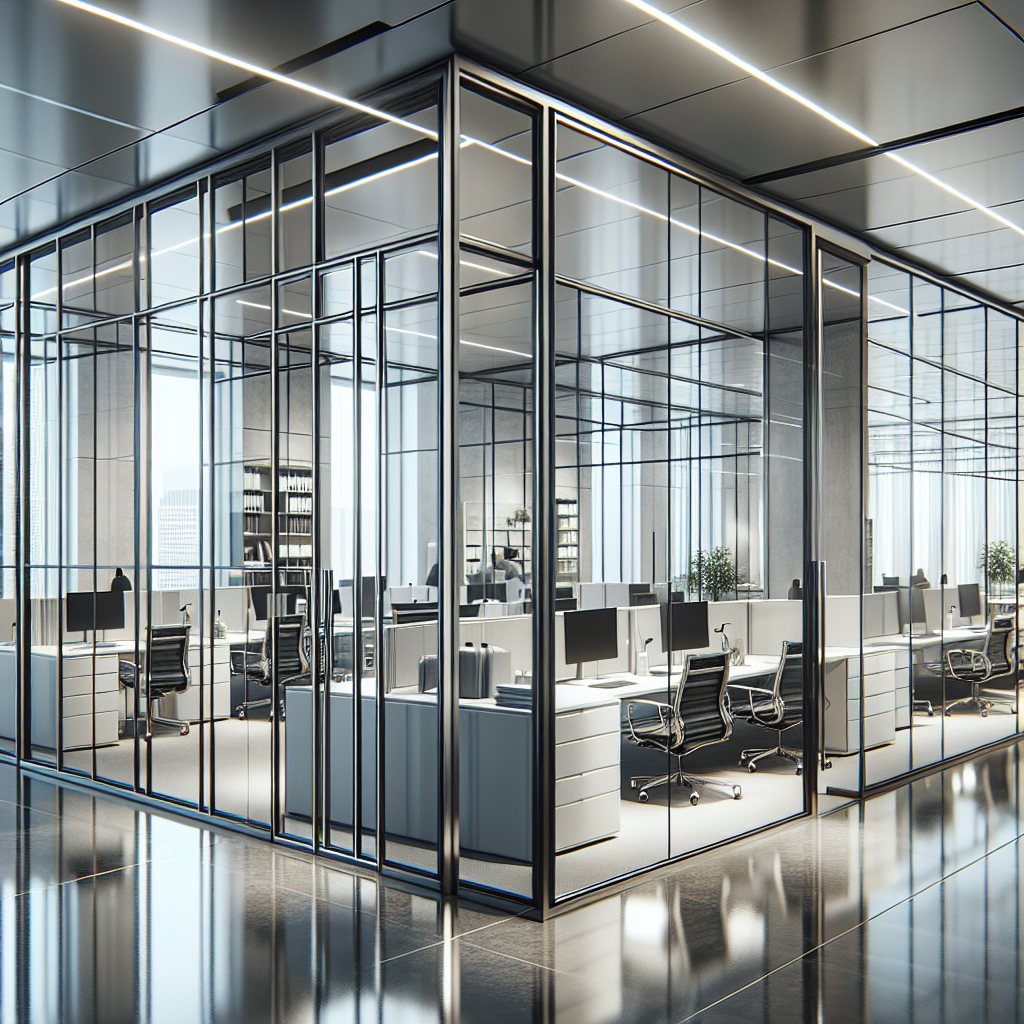
I remember the first time I experienced a workspace enhanced by glass partitions. Walking into an office, the sleekness of the design struck me first. Soft natural light flooded through the translucent barriers, illuminating the space with a warmth that felt inviting yet sophisticated. The chatter still existed, of course, but the glass partitions created a subtle separation, a buffer that allowed for pockets of quiet amidst the chaos.
What’s fascinating about these partitions is their dual role: they not only bring a sense of openness but also an undeniable need for focus. The divisions act like gentle reminders for respect towards one another’s space, without completely shutting off the vibrant energy of collaboration that comes with modern office life. I noticed how, in these spaces, conversation flowed freely within small groups while those with heavier tasks felt unobtruded, nestled within their glass-walled domains.
Imagine attending a brainstorming session where ideas spark between co-workers, the energy palpable, yet just a few steps away, a team is immersed in deep focus, their world defined by glass rather than walls. In a way, these partitions seem to symbolize a modern ethos of work — we are together yet apart, engaged yet serene. As I spent more time observing the impacts of these partitions, I noticed the mental shift in the workers around me.
There’s something harmonious about the clarity they offer, literally and figuratively. Think about it. Glass partitions allow for visual connection, maintaining a sense of community while also providing the privacy necessary for concentration. The challenge here, as with many design innovations, lies in striking a balance. It’s not just about partitioning a space, it’s about creating an environment conducive to productivity without sacrificing the essence of collaboration.
Reflecting on my own experiences, I realize that environments can drastically affect mental states. During those busy days, I often felt drained by the sensory overload. The way sound travels in vast, open layouts can be exhausting. With glass partitions stepping in, that fatigue was significantly diminished. The attention to acoustic treatments, paired with clear barriers, allowed for a symphony of productivity rather than just noise.
Consider the materials, too. Each partition tells a story. The sleek lines of tempered glass contrast beautifully with softer elements of wood and textiles. The interaction between these materials in office design is like a well-composed piece of music, where each note contributes to an overarching melody. Walking into such a space, my senses are engaged. The visibility feels welcoming, while the sound dampening eases the mind, creating a refuge amid workplace demands.
What’s more, the aesthetic appeal of glass partitions has also sparked a creative evolution in spirit across various industries. Offices that used to feel claustrophobic and dull now boast an energy that inspires rather than stifles. With increasing awareness around mental health and work-life balance, many companies are investing in environments that prioritize employee well-being. The rise of these quiet spaces is a testament to that shift — they are not just physical structures but a paradigm of thought about how we interact with work.
Let’s not overlook how these partitions have been embraced by an array of sectors, from tech startups to corporate giants. The design flexibility they offer can cater to various needs. Need a conference space that can transform into a quieter area for one-on-one discussions? Glass partitions can accommodate that. They can easily be moved, adjusted, or incorporated into existing designs, offering a fluidity perfect for today’s dynamic work cultures.
As with any change, the journey toward embracing glass partitions isn’t without its challenges. Some may argue about privacy concerns or the potential for a sterile atmosphere. It’s a valid point, and the key lies in thoughtful implementation. Personal touches, like greenery, artwork, or even sound-absorbing fabrics, can infuse warmth and personality, complementing the glass’s crisp elegance.
I think a lot about the unspoken dialogue of workspaces, and how they shape our emotions and productivity. In many ways, the rise of quiet office glass partitions symbolizes our evolving relationship with work itself — responsive, flexible, and mindful. We seek harmony amid the hustle, finding ways to focus while staying connected to the larger picture around us.
In the end, when I reflect on my experiences within these spaces, there’s a lingering appreciation for their role in modern design. They mark a tangible shift towards quietude in an otherwise cacophonous environment. As we continue to adapt to new ways of working, these glass partitions stand as a powerful reminder of our need for balance — a sanctuary for thought in an age of distraction.
So, whether you’re contemplating design changes in your office or simply observing how your environment influences your day-to-day, the rise of glass partitions teaches us something significant: even in the most collective spaces, we can carve out our own silent corners of focus and creativity. In their clarity and simplicity, they embody the quiet strength we often seek in our busy lives. I’ll carry their lessons with me as I navigate the ebb and flow of work — always looking for that perfect blend of community and stillness.
.png) Share this post with others
Share this post with others


