
Maximizing Natural Light: The Case for Glass Partitions in Office Design
Maximizing Natural Light: The Case for Glass Partitions in Office Design
Maximizing Natural Light: The Case for Glass Partitions in Office Design
Have you ever stepped into an office space and immediately felt the weight of the walls? The drab colors, the cramped corners, it all seemed so confining. I remember my first day at a new job, one that promised innovation yet greeted me with dull cubicles that blocked out any trace of sunlight. It was shocking how the lack of natural light impacted my mood; I felt less motivated, more closed off from the world outside.
It’s a common scenario: we often forget how our environments shape our experiences. But let’s be honest—who doesn’t feel a jolt of energy after finding a sunlit nook in a coffee shop? Or how about that feeling of calm when you sit by a window on a crisp autumn day? Natural light holds a unique power. It can uplift spirits, boost productivity, and foster a sense of well-being. So why, in the realm of office design, do we frequently opt for heavy, opaque walls instead of embracing the transparency and lightness that glass partitions can offer?
The Allure of Glass Partitions
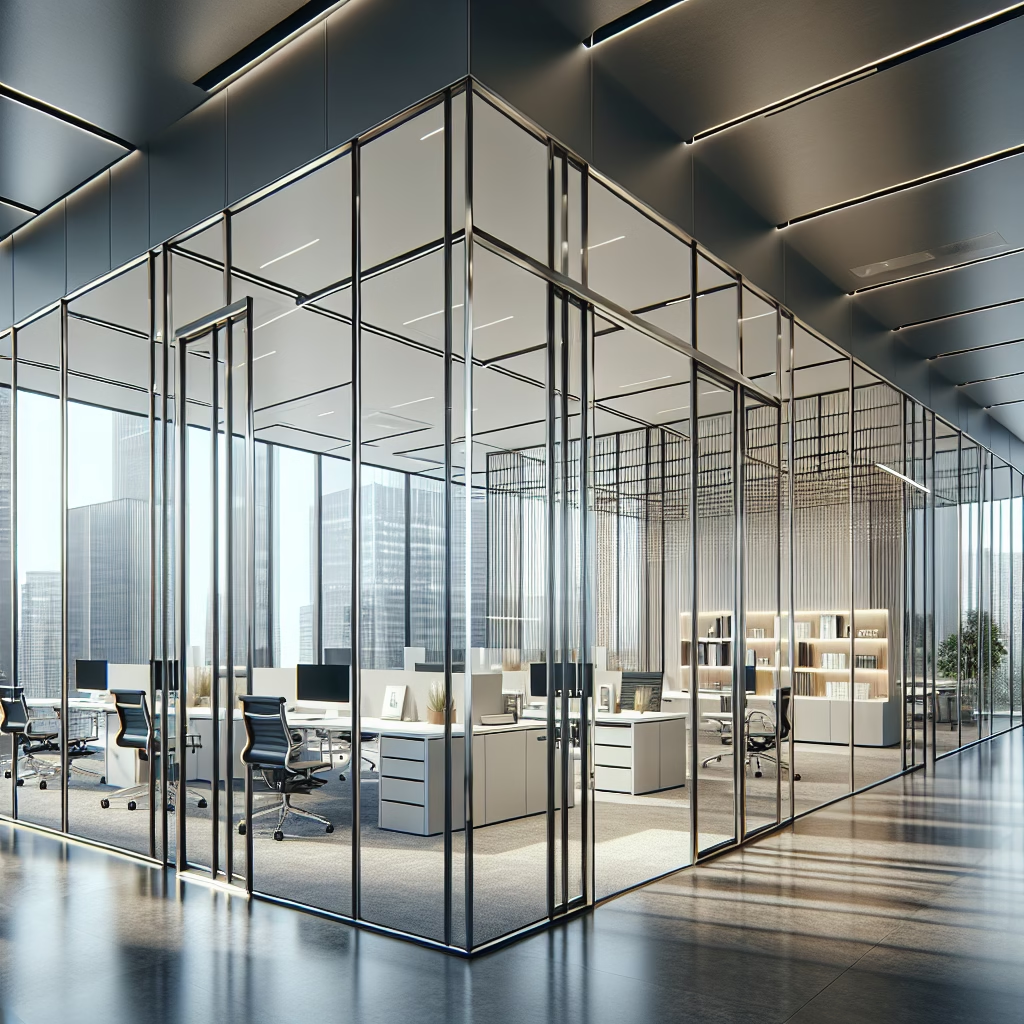
Imagine walking into an office with bright, airy spaces, where glass partitions create an almost ethereal quality. These structures gently separate work areas while giving the illusion of a single, cohesive environment. When we talk about maximizing natural light, glass is a game-changer. It transforms how we experience our surroundings, allowing light to flow freely and illuminating even the furthest corners of the office.
I once visited a tech company that exemplified this approach. The building was designed with an open layout, but what stood out were the glass meeting rooms. Each one seemed to float within the space, framed by light. And it wasn’t just beautiful; it’s practical, too. With natural light streaming in, the energy in the office felt palpable. Colleagues gathered without walls isolating them, thriving in transparency, both in communication and in illumination.
A Breath of Fresh Air
There’s something almost refreshing about the interplay of light and space. Glass partitions not only maximize natural light but also create a sense of openness. People are more likely to collaborate and share ideas when they can see one another, and the physical separation becomes less intimidating. This is critical in fostering a culture of communication and innovation, where creativity can flourish.
One afternoon, as I worked in a coworking space outfitted with glass partitions, I observed how the natural light influenced the mood. The entire place felt alive, as laughter and conversation bounced around the room. During a brainstorming session, someone leaned against a glass wall, sunlight highlighting their thoughtful expression. The connection between space and dialogue was tangible, and it made me realize how crucial it is to create environments that stimulate interaction.
The Aesthetic Appeal
Aside from the practical benefits, there’s undeniably an aesthetic richness to glass partitions. Traditional office walls can feel imposing, whereas glass invites curiosity. They reflect surroundings, integrating the natural beauty of the outside world into the interior. Picture Wednesday afternoon sunlight filtering through leaves, casting gentle patterns on your workspace. It’s easy to forget we’re indoors when nature is so visibly present.
At a networking event I attended, one of the panels discussed designing workplaces that reflect modern values. A designer shared how glass partitions were part of a trend moving away from rigid, outdated designs. Instead, they’re embracing minimalism. Their point struck home: offices should feel like places where ideas don’t just exist within the confines of a routine, but rather stretch as far as the light can reach.
Enhanced Focus and Mental Well-Being
Natural light also plays a significant role in our mental and emotional well-being. Research shows that workplaces flooded with light can reduce stress, enhance focus, and increase job satisfaction. When I’ve worked in environments bathed in sunlight, I’ve noticed a profound impact on my concentration levels. Tasks become less monotonous; the glare of a computer screen fades into the background when you’re bathed in golden sunlight.
Glass partitions, in this sense, act like filters that refine our experience. Rather than a stark divide, they serve as a gentle reminder that barriers don’t have to be isolating. They allow light and clarity in while still shaping functional spaces. The divisions feel more like guidelines than walls, a perfect embodiment of the contemporary office ethos where flexibility meets productivity.
Sustainability and Efficiency
Embracing glass partitions isn’t just an aesthetic choice; it’s also a step toward sustainability. Modern glass technology improves thermal efficiency without sacrificing light. With energy-efficient designs, businesses can benefit from lower energy costs while ensuring optimal lighting conditions. That’s a double win if you ask me.
Moreover, fewer artificial lights mean reduced energy consumption, which aligns perfectly with the sustainability goals many companies are aiming to achieve. Creating a workspace that not only looks good but feels good is essential in today’s eco-conscious landscape.
Conclusion: Reimagine Your Space
As I reflect on my own journey with office environments, the shift towards glass partitions feels like a natural evolution. The blend of natural light, open communication, and aesthetic appeal creates a rich tapestry that allows creativity to thrive while enhancing individual well-being.
There’s a surprising beauty in embracing transparency. It reflects our desire for connection, our need for light but also our commitment to thoughtfully designed spaces. Office design can transcend the merely functional—when we fully embrace natural light through glass partitions, we invite a world of possibilities into our work lives.
So, the next time you find yourself in a tired, fluorescent-lit office, consider the potential of glass. Could it transform not just the space but also the people within it? Sometimes, all it takes is the right kind of light to spark innovation and harmony. And we owe it to ourselves to bring as much of that light in as we can.
.png) Share this post with others
Share this post with others


