
Maximize Space and Light: The Rise of Glass Office Partitions in Modern Design
Maximize Space and Light: The Rise of Glass Office Partitions in Modern Design
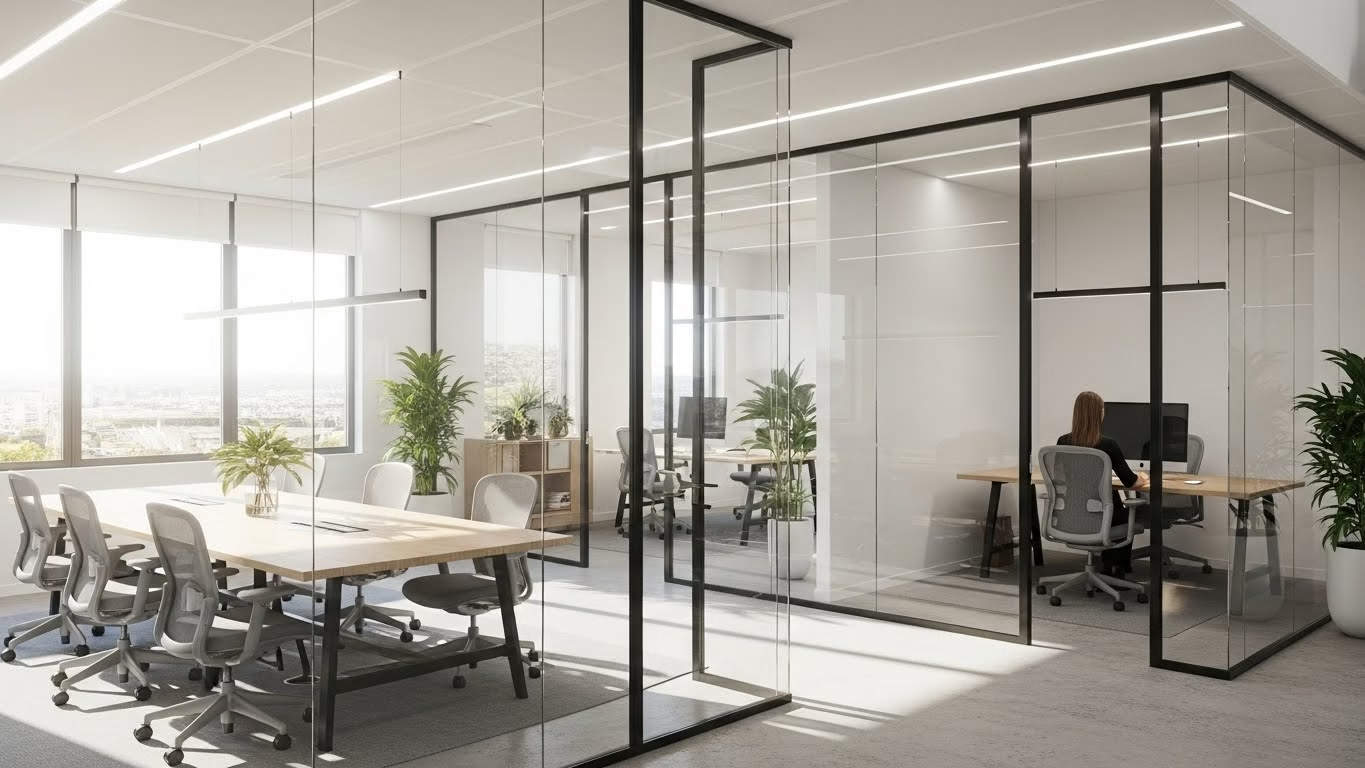
When I first stepped into a modern office replete with glass partitions, I was struck by a simple yet profound realization: the power of light. It streamed through those crystal-clear panels, transforming the workspace from a mundane corporate environment into a vibrant, dynamic setting. Suddenly, the space felt larger, more inviting, alive even. It was as if the walls had vanished, paving the way for collaboration and creativity.
This shift isn’t just about aesthetics; it’s about how we design our work environments to enhance productivity and well-being. In an era where many of us spend a significant chunk of our lives in office settings, the choices we make regarding space can significantly impact our experiences. The rise of glass office partitions is one of those choices that resonates deeply with the desire to maximize both space and light in our daily lives.
### Breaking Down Boundaries
Traditionally, offices were characterized by solid walls, dull cubicles, and a conspicuous absence of natural light. While these configurations may have offered privacy, they often did so at the cost of feeling isolated. I can recall working in such environments, where the walls seemed to close in, stifling not just ideas but overall morale. The introduction of glass partitions marks a shift—a move towards transparency, quite literally. These panels don’t just divide spaces; they create an illusion of openness.
Imagine walking through a space where a simple glass wall separates the marketing team from the design department. You can see them in motion—brainstorming, laughing, collaborating. That openness nurtures a sense of community, encouraging spontaneous conversations that can lead to innovative solutions. It’s no wonder that businesses are increasingly embracing this concept. Their approach reflects a modern understanding of how work happens; it’s less about the hierarchy and more about the interaction.
### Play of Light
The role of natural light in an office can’t be overstated. Studies consistently show that access to natural light improves mood, boosts creativity, and increases productivity. With glass partitions, light flows freely, illuminating nooks that once would have been relegated to shadows. I remember visiting a space that had strategically installed glass panels in a way that allowed sunlight to flood in from adjacent windows. The transformation was magical. It felt like being in a sunlit garden instead of a gray office.
Moreover, glass reflects light, further amplifying its reach. Even in a dimly lit area, the clever use of glass can create the illusion of brightness. This thoughtful design approach allows for spaces that not only appear larger but also feel more energizing. Instead of perfunctory ceiling lights, the elements of the space become integral to the overall ambience. The result? A workspace that is both functional and uplifting.
### Aesthetic Versatility
The sleek elegance of glass also offers aesthetic versatility. It can harmonize with various design philosophies, whether you lean towards minimalist chic or something more eclectic. I’ve seen offices where glass partitions are paired with warm wood finishes and vibrant artwork, which evoke warmth despite the transparency. Each design choice becomes an opportunity to express the culture and ethos of the company.
The flexibility of glass extends beyond looks; it is also practical. When a team grows or changes, it’s relatively simple to adjust or move these partitions compared to traditional wall structures. This adaptability speaks to a progressive work culture that values growth and fluidity, ensuring that the design evolves with the needs of the team.
### A Focus on Collaboration
In recent years, the workplace has shifted to prioritize collaboration. Gone are the days of solitary work in separate offices; today, it’s all about teamwork. Glass partitions inherently foster this environment. They allow for various configurations—open meeting spots, casual brainstorming areas, or even private spaces for focused work. This blend of openness and privacy is crucial in a modern office.
I recall my excitement entering an office where glass meeting rooms dot the landscape like unique little pods, each one buzzing with activity. You could see groups deep in discussion, laughter echoing, ideas bouncing around. The contrast of a closed door simply doesn’t hold the same energy—not when every glass panel invites engagement and connection.
### Sustainability Meets Design
Moreover, the use of glass in office partitions aligns with a broader trend towards sustainability. Natural light reduces the need for artificial lighting during the day, lowering energy costs and minimizing environmental impact. With many companies seeking to bolster their green credentials, designing with glass is both a stylish and responsible choice. It demonstrates an understanding that our environment is interconnected, and choices that promote harmony can extend beyond the office walls.
### The Human Experience
Ultimately, the rise of glass office partitions isn’t merely about design, space, or light. It’s about how we experience work and, by extension, life. It’s about creating an atmosphere where individuals feel comfortable interacting with one another, where creativity can blossom in every corner. Walking into an office like this feels less like a job and more like a community—a shared space buzzing with energy, creativity, and opportunity.
As we continue to adapt to the ever-evolving landscape of work, the design choices we make will matter deeply. Glass partitions, in their transparency, reflect a desire for connection and collaboration in the workplace. They offer a fresh perspective on how we can maximize space and light, transforming our work environments into dynamic spaces where ideas thrive.
In my encounters with glass offices, I always leave feeling inspired. I see not just walls, but openings. I see not just space, but potential. And perhaps that’s the most revealing insight of all—the role of our physical environment in shaping our experiences can be profound. As we navigate the future of work, let’s not forget that a well-designed space can be a catalyst for creativity and connection. A simple glass partition might just hold the power to redefine how we engage, collaborate, and ultimately succeed in our endeavors.
.png) Share this post with others
Share this post with others


