
Clear Vision: The Advantages of Glass Walls in Today’s Offices
Clear Vision: The Advantages of Glass Walls in Today’s Offices
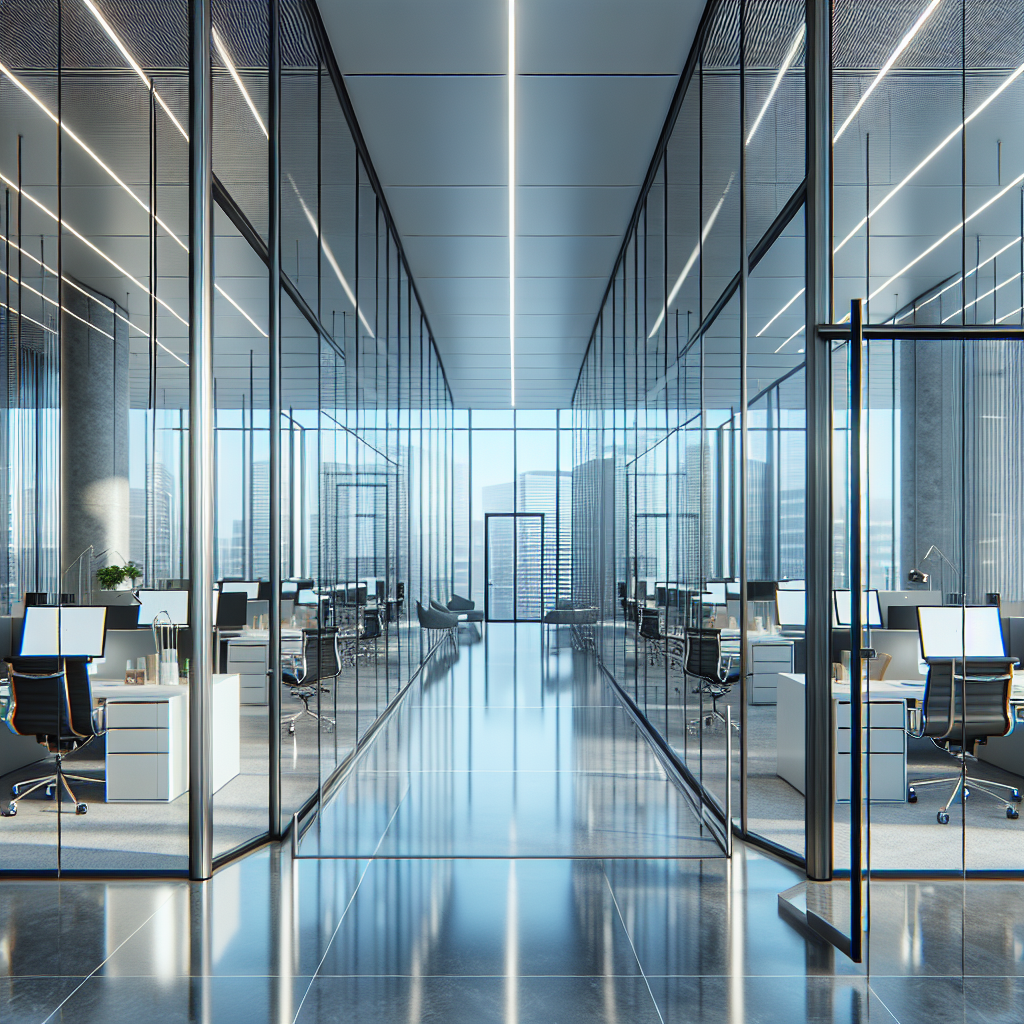
Standing in a bustling office, I found myself drawn to a series of gleaming glass walls that divided the space, offering a panoramic view of the entire floor. It struck me how different this environment felt compared to the cubicle-adorned offices of the past. There was a distinct energy in the air—a seamless blend of collaboration and transparency, where ideas genuinely felt like they could flow freely. This isn’t just an aesthetic choice; it reflects a deeper understanding of how our workspaces can influence our productivity, creativity, and even our morale.
### A Shift in Perspective
As I sank deeper into the ambiance, I noticed how the glass walls invited rather than isolated. With traditional walls, you often end up in silos, rooms designed to block distractions but inadvertently hindering connection. One of my colleagues, Sarah, once remarked that she felt like she was “working in a cave,” trapped behind solid walls that stifled communication. I remember a specific moment when she proposed an idea in a more open setting, aided by a translucent barrier that allowed her voice to reach others without the literal barriers of drywall.
These glass walls made it possible for teams to be present with one another. The sight of someone brainstorming with a group down the corridor could spark curiosity. Maybe I’d wander over, or at least nod a greeting as I walked past. This simple visibility fosters a dynamic that encourages spontaneous conversations and collaborations, something I’ve always believed is vital for creativity.
### Natural Light: A Game-Changer
Every time I stepped foot in that office, I felt warmth radiate from the abundant natural light pouring in through those glass surfaces. Not only does daylight lift spirits, but it has also been shown to boost productivity. The initial decision to integrate glass was driven by aesthetics, but the tangible benefits became clear once we experienced it. I could see the difference in my colleagues. There was less midday lethargy and more enthusiasm for projects.
During our team meetings, we could feel the energy change. Staring at a computer screen in a dimly lit room isn’t the same as discussing ideas bathed in sunlight. With more openness and light, people seemed more engaged and active. I distinctly remember one brainstorming session where a beam of sunlight hit the whiteboard just at the right angle, illuminating our scrawled thoughts as if signaling that our ideas were indeed worth something, worthy of attention.
### Redefining Spaces: Flexibility and Functionality
Those glass walls brought a new level of flexibility to our office layout. Instead of permanent fixtures, we could reconfigure the space to suit our needs. When the design team needed to huddle for an intense creative session, it was as easy as sliding over some movable partitions. With this transparency came an adaptability that felt organic, allowing us to shift from solitary work to group dynamics seamlessly.
I recall a project where we had to quickly shift gears. One day, I walked into a space that had been a quiet zone just the week prior. By the end of the day, it was transformed into a vibrant collaboration hub. Posters were slapped on the glass, notes scribbled everywhere, and laughter filled the air. There’s an invigorating feeling that arises when spaces change in real time to meet our tasks, which felt mundane in more traditional setups.
### Enhancing Communication and Accountability
There’s a subtle but profound effect that glass walls have on communication. In an office with solid barriers, conversations can feel muffled, hidden away, leaving some voices unheard. With glass, every discussion is visible. You can catch snippets of ideas floating around, and there’s an unspoken commitment to transparency.
This visibility has made me more mindful of how I communicate. If coworkers can see you engaged in a discussion, it encourages an awareness of how we express ourselves. There was a feedback session that will always stick with me—one colleague, who usually shied away from sharing, found the courage to speak because he knew his peers were just a few steps away. The glass facilitated not just visibility, but a reflection of the culture of accountability. We’re all in this together—both literally and metaphorically.
### Aesthetic Appeal and Increased Morale
The design of a workplace can seem trivial compared to productivity metrics, but the aesthetic appeal of glass walls makes a significant impression. Bright, airy spaces don’t just look good; they feel good. I often hear remarks about how refreshing it is to work in an office that considers design as crucial to the experience.
I remember a discussion with a friend about how spaces influence moods. He told me about his experience in traditional offices featuring gray walls and low ceilings that seemed to sap the energy right out of him. In contrast, our glass-laden space replaced that gloom with a lively atmosphere, where the simple delight of being able to see outside, even if on the fifth floor, was a beautifully grounding experience.
### Conclusion: A Vision for the Future
Reflecting on my experiences within this environment, it’s clear that glass walls are more than an architectural choice—they’re a vision for how we want to work. By fostering openness, we create a culture that thrives on collaboration, adaptability, and engagement.
There’s a profound sense of connection that comes with being able to glance across the office and see colleagues in dialogue, laughter, or intense focus. These transparent barriers eliminate the feeling of isolation while inviting new ideas into the mix. For me, the advantages of glass walls in today’s offices extend far beyond aesthetics; they’re about cultivating a workspace that mirrors the needs of its people.
As I return to my workspace day after day, I do so with a renewed appreciation for the clear choices we’re making, all stemming from the desire to create a community built on communication, creativity, and ultimately, shared success. Embracing glass walls has certainly brought a fresh breath to the office culture, and quite honestly, I can’t imagine going back to anything that feels less open.
.png) Share this post with others
Share this post with others


