
Breaking Down Barriers: How Glass Offices Enhance Collaboration
Breaking Down Barriers: How Glass Offices Enhance Collaboration
Breaking Down Barriers: How Glass Offices Enhance Collaboration
Walking into a traditional office, I often found myself enveloped in a maze of cubicles. The fabric-covered walls felt heavy, as if they were purposely designed to keep us isolated from one another. There’s something inherently isolating about being tucked away in a box, isn’t there? We all want to feel connected, yet those partitions seemed to stifle our conversations and ideas.
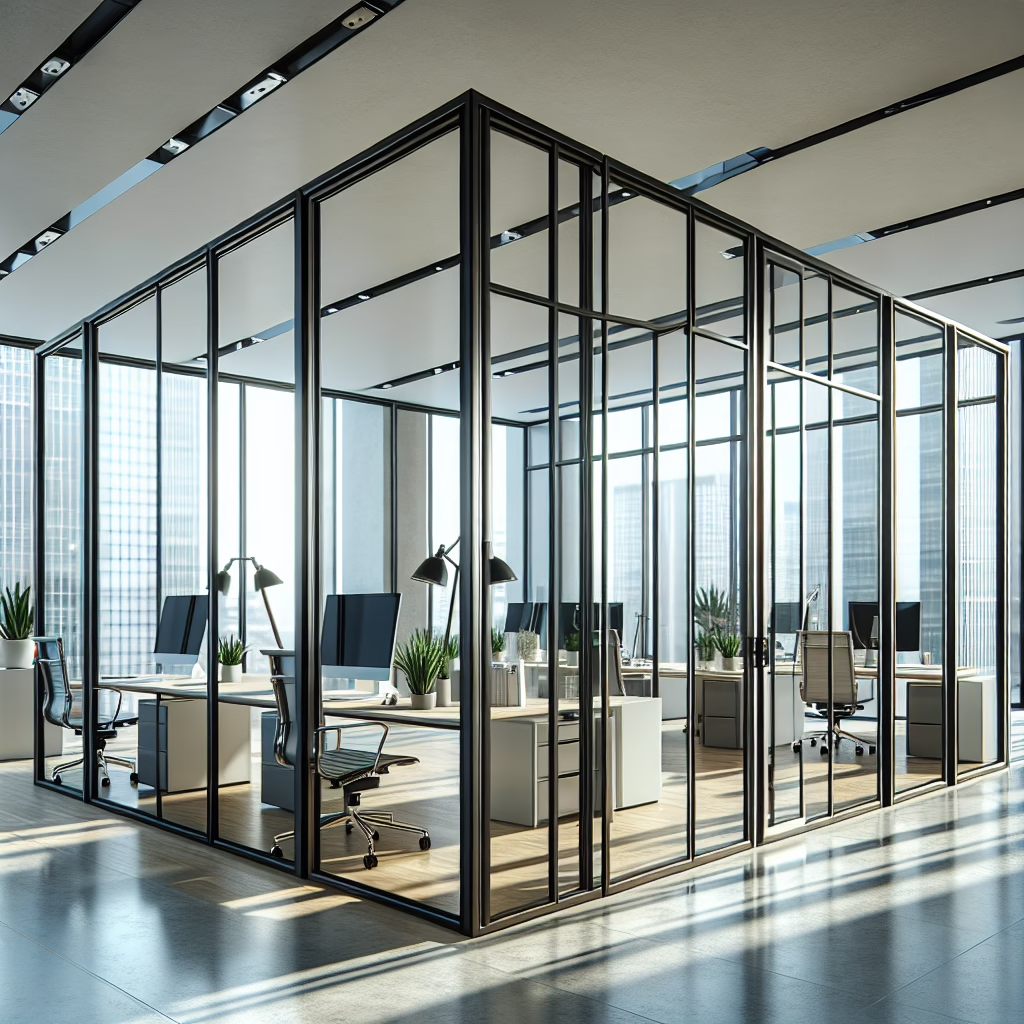
Now, imagine stepping into a glass office instead. The instant breath of fresh air is palpable; it’s almost as if the energy in the space shifts. The transparency of the walls invites a sense of openness that’s both refreshing and transformative. I remember my first experience in such an environment; the bright daylight spilled through the glass, illuminating everything in its path. It felt like stepping into a new world, one where collaboration was not just encouraged but woven into the very fabric of the workplace.
A Shift in Perspective
Glass offices don’t merely change the view; they change the way we perceive our roles within the organization. I watched as colleagues who once rarely engaged began to mingle, breaking out of their comfort zones. The barriers, both physical and psychological, that divided departments and roles started to crumble. Conversations sparked over coffee, ideas flowed during spontaneous brainstorming sessions, and creative constraints melted away.
It’s stunning how something as simple as transparency can transform dynamics. With glass as a medium, the line between “manager” and “team member” started to blur. Suddenly, everyone was approachable. It was easier to ask questions and share thoughts in an inviting space that felt communal. You could see someone’s face light up at a new idea, or a contemplative nod when a suggestion resonated. Moments like these foster genuine collaboration, making our diverse skills and backgrounds work in harmony rather than in isolation.
The Role of Natural Light
Natural light plays a vital role in this dynamic transformation. Being bathed in sunlight, rather than the harsh glow of fluorescent bulbs, invigorates creativity and promotes well-being. It’s a bit like being outside—you feel alive! In my own experience within a glass office, I noticed that mood changes dramatically when the sun streams in. A simple change, yet it encourages more animated discussions, laughter, and spontaneous interactions.
I found myself more attuned to my surroundings. I could spot a colleague across the way deep in thought, ready to bounce ideas off. Not only can you hear the excitement in someone’s voice, but you can also see it in their body language, which is often lost in cubicles. The glass walls foster connection just as much as they allow for an unobstructed flow of innovative ideas.
Redefining Boundaries
Interestingly, glass offices challenge the conventional notion of boundaries in the workplace. When you remove the physical barriers, it inherently encourages a cultural shift. I had a memorable moment when a data analyst and I were discussing a complex issue. Seated in an open-concept area, we noticed a designer eavesdropping on our conversation. Rather than losing focus or feeling interrupted, the designer added their perspective, enriching our discussion in ways neither of us had anticipated.
This fluidity in interaction brings diverse insights to the table. It shatters siloed thinking that often plagues organizations. By blurring designated roles, we began to break down the barriers that limited our creativity. Everyone’s input became valuable, regardless of job titles.
Spaces for Focus and Collaboration
One might say we sacrificed some degree of privacy with the switch to glass offices, and there’s truth in that. Yet I found that the open design also includes spaces for quiet work and focused collaboration. Nooks with soft seating areas and sound-muffling materials scattered across the open space provide that balance.
One afternoon, I wandered into one such nook during a brainstorming session. A mix of energetic voices was more than just noise; it was a symphony of ideas bouncing around. The walls—not just clear, but also present—allowed for flexibility. I could engage in spirited discussion or slip away for a moment of personal reflection—all within the same environment.
Building Trust
What struck me most was how glass offices promote a culture of trust. When people can see one another, it cultivates a sense of accountability. Everyone knows they’re part of something larger than themselves. Each team member feels included, their ideas visible and valued. Trust doesn’t just happen; it builds slowly, through shared experiences and improved communication.
In a glass office, I witnessed how feedback sessions became more constructive. Body language spoke volumes; the ability to connect—eye to eye—made it easier to share both praise and critique. The reliance on each other becomes inherent; it’s easier to support your teammate when you know their struggles and victories.
The Future of Collaboration
Reflecting back on these experiences, it’s clear that glass offices go beyond aesthetic appeal. They are a thoughtful reconsideration of how we conduct our work lives. We can feel the difference in the atmosphere, the buzz of creativity, and even the joy in small victories shared. There’s a palpable excitement when everyone is engaged in the same space.
As we look ahead, I see a future where glass offices continue to evolve, incorporating not only transparency but also a focus on wellness and engagement. They’re not merely structures; they are a nod to how our workspaces can cultivate collaboration and creativity.
In essence, breaking down the walls—both literally and figuratively—will transform how we work together, innovate, and thrive. It’s a refreshing reminder that sometimes the best solutions to our collaboration woes lie in something as simple as a clear pane of glass. And in that transparency, we find connection, creativity, and a shared journey toward success.
.png) Share this post with others
Share this post with others


