
“Transparency in Design: The Rise of Glass Office Partitions in Boardrooms”
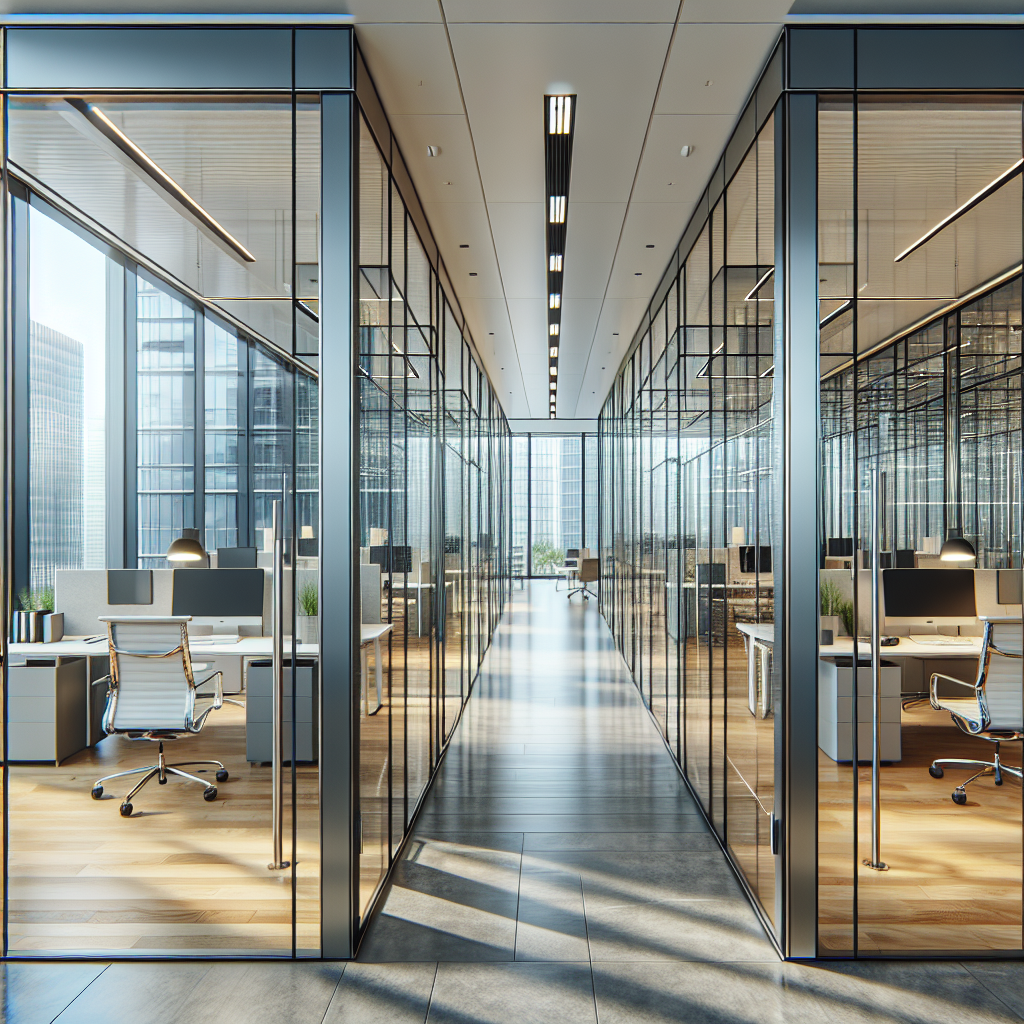
“Transparency in Design: The Rise of Glass Office Partitions in Boardrooms”
In recent years, I’ve noticed a distinct shift in how office spaces are designed, particularly in boardrooms. Remember the days when the boardroom was this imposing, dark-paneled room, filled with heavy furniture and draped in a sense of secrecy? It was like stepping into a fortress. Today, as I walk into modern offices, I often find myself greeted by sleek glass office partitions instead. This change hints at something deeper than just an aesthetic decision; it signifies a broader cultural move toward transparency.
The first time I encountered a glass office partition in a boardroom setting, I was struck by how it altered the room’s entire atmosphere. The glass didn’t just allow light to flood in—it created an openness that encouraged connection and collaboration. There’s something inherently inviting about looking through transparent walls. I recall a meeting in one of these spaces; it felt less like an isolated decision-making fortress and more like an inclusive roundtable. People were more relaxed, engaged, and willing to share their thoughts.
These partitions serve a dual purpose: they grant visibility while maintaining a degree of privacy. It’s a balancing act that aligns beautifully with our understanding of modern work culture. Companies today aren’t just striving for results; they’re trying to build a more inclusive workplace where innovation can thrive. The design of boardrooms with glass walls reflects the belief that communication fosters creativity. When we can see each other, even when we’re not directly involved in a conversation, it breeds an atmosphere of trust and synergy.
Consider a typical day in a corporate setting. The office hums with activity: brainstorming sessions, strategy meetings, and casual catch-ups. When glass partitions delineate spaces, they signal that work is happening, but they also allow for a sense of belonging. I recall watching colleagues in a nearby room as they brainstormed ideas, their laughter and animated gestures spilling into my own space. It wasn’t just noise; it was the infectious energy of collaboration.
But, beyond aesthetics and connection, there’s a psychological aspect to transparency in design. Studies have shown that environments that promote openness can significantly impact employee morale. The glass office partition acts as a symbol of transparency in leadership and decision-making, making organizations feel more approachable. Leaders who choose to have glass walls around their offices send a message that they are open to dialogue and feedback. I remember reading about a CEO who transitioned from a traditionally closed office to one with glass partitions. The change radically transformed the dynamics of their leadership team, fostering a culture of accessibility and trust.
Furthermore, the choice of materials in these glass partitions can reflect a company’s ethos. The clarity of glass signifies honesty, while the sleekness often feels modern and forward-thinking. The right balance can establish a company’s identity and position within its industry. When I walked into a coworking space filled with glass partitions, the blend of steel and fine wood details caught my eye. It was a perfect embodiment of innovation meeting tradition—modern yet warm.
Yet, this design trend is not without its challenges. Increased transparency can lead to distractions. It’s crucial for companies to strike a balance between openness and functionality. I’ve seen well-designed glass boardrooms equipped with sound-absorbing materials and smart tech solutions that address this head-on. These adaptations create an environment where the noise of brainstorming doesn’t seep into important discussions happening in adjacent spaces.
Moreover, the rise of remote work calls for a new perspective on transparency. As hybrid models evolve, glass office partitions could lead the way in promoting a sense of connectivity among remote and in-office workers. With many teams spread across various locations, shared visual spaces can enhance a feeling of unity. I can easily envision that boardroom—a space where ideas flow, energy thrives, and even those on video calls benefit from the light and openness created by glass walls.
Reflecting on this shift, I see glass partitions as more than just functional elements. They are emblematic of a broader movement toward openness in our work environments. As organizations increasingly prioritize employee well-being, the emphasis on transparent design becomes ever more pronounced. It’s a design philosophy that mirrors modern expectations: that we want to work together collaboratively rather than in silos, that we crave clarity and connection.
In navigating this landscape, businesses are beginning to understand the significance of transparency—not merely in their designs, but in their cultures. The glass office partition emerges as a powerful tool in shaping corporate identity and employee experience alike. It allows organizations to communicate their values clearly: openness, collaboration, and a commitment to collective success.
As I conclude this exploration of the rise of transparency in design, I find it reassuring. We are moving away from heavy, enclosed settings toward spaces that celebrate interaction and community. The world of work is evolving, and the rise of glass office partitions in boardrooms is a vivid manifestation of that evolution.
In these glass-encased spaces, we find both an invitation and a challenge to cultivate not just innovative ideas but an inclusive culture that supports every voice. That’s a shift worth celebrating, and it’s one that may very well define the future of our workplaces.
.png) Share this post with others
Share this post with others


