
Transforming Spaces: The Rise of Glass Partitions in Modern Meeting Rooms
Transforming Spaces: The Rise of Glass Partitions in Modern Meeting Rooms
Transforming Spaces: The Rise of Glass Partitions in Modern Meeting Rooms
Imagine walking into a meeting room bathed in natural light, where walls shimmer with transparency rather than rigid barriers. It’s inviting, isn’t it? Gone are the days when meeting rooms resembled stuffy fortresses, shut off from the pulse of the office. Today, the rise of glass partitions is transforming the way we view collaborative spaces, not just visually, but culturally too.
In my experience, many organizations are grappling with how to foster open communication and creativity while also providing employees with spaces that allow for focus. We all know that feeling—juggling the need for privacy in a discussion while wanting to feel connected to the larger team. It can be a challenge. While brainstorming ideas for a new project, I’ve sometimes been frustrated by the starkness of traditional conference rooms, with their heavy doors and claustrophobic walls. Instead, glass partitions provide a sense of inclusivity, allowing ideas to flow freely.
The Aesthetic Appeal
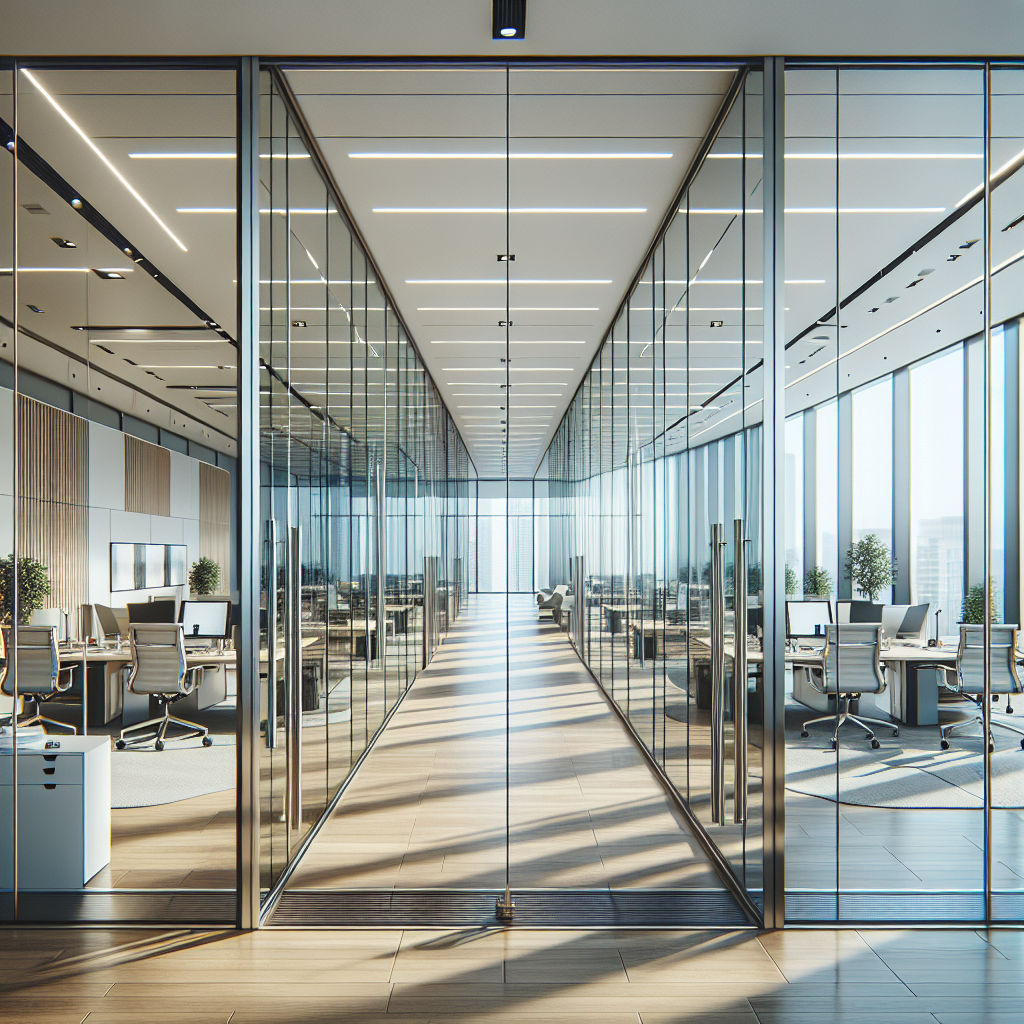
There is something undeniably beautiful about glass. It refracts light, casting soft shadows and creating a play of reflections. I recently walked into a meeting room filled with sleek glass walls, and as the sun streamed in, it felt like the outside world was part of the conversation. This isn’t just a fancy design choice; it influences how we think and interact. Surprisingly, studies have shown that spaces flooded with natural light can boost productivity by as much as 15%.
The crisp aesthetics of glass lend a modern vibe to any office. There’s a fresh air quality to it—literally and metaphorically. One time, during a company retreat, we gathered in a glass-partitioned space that opened up onto a lush garden. The boundaries felt softer; conversations meandered, ideas flourished, and laughter echoed. The room was vibrant with energy. It felt as if we were all part of something bigger than just the walls around us.
Breaking Down Barriers
Glass partitions do more than just look good; they break down the traditional barriers of hierarchy. In the past, wood-paneled offices with heavy doors often charted a map of power dynamics. In a modern setup with glass, the CEO and the intern could find themselves sharing the same airspace. I’ve observed how this subtle shift impacts interactions; there’s a more equal playing field; team members engage more freely, contributing to a dialogue without the invisible barriers of rank.
Consider the psychology behind it: transparency fosters trust. Employees are more likely to exchange ideas when they feel they’re not facing a wall. During one of our meetings in a uniquely designed glass-sheltered room, I saw our newest hire confidently voice an idea that changed the direction of our project. The surroundings—a clear view of the open workspace—invited openness. It was as if the glass was gently urging us to share, to collaborate, to bridge the gap.
Flexibility and Functionality
Glass partitions also bring an impressive level of flexibility to a workspace. I think about a time we needed to quickly convert a large area into smaller, focused spaces for various teams. With movable glass walls, we shaped the environment to fit our needs without losing that sense of openness. These partitions could be reconfigured, creating a dynamic workspace that was both practical and appealing.
Moreover, glass can also minimize sound distraction. Far from the echoes of a traditional meeting room, certain types of specially designed glass can effectively muffle sound, allowing for productive conversation while maintaining a sense of community. I once spent an afternoon in a glass-partitioned room designed specifically for brainstorming sessions. The vibrant discussions flowed easily while noise levels remained manageable. It felt like a concert—individual notes harmonizing beautifully, rather than clashing into chaos.
Enhancing Employee Well-being
As someone who deeply values workplace culture, I’ve seen firsthand how glass partitions contribute to employee well-being. Natural light flooding into a workspace influences mood and morale. The transparency of these partitions provides a sense of being connected to the broader environment, reducing feelings of isolation. There’s a certain brightness that seeps into thinking, inspiring creativity.
In one workplace I visited, employees were encouraged to choose their workspaces based on the style of collaboration they sought that day. The glass walls made it easy for them to adapt, to flexibly transition from focused work to collaborative dialogue. I watched as a team moved from a quiet task-oriented room to an open space where laughter erupted and ideas bounced off the walls like the sunlight streaming through the glass.
A Sustainable Choice
What’s more, as businesses lean into sustainability, glass is often a more eco-friendly choice. It can be reused and repurposed, contributing to a lifecycle of sustainability. During discussions on workplace design, we frequently touched on the environmental impact of our choices. By opting for glass, we embraced a material that aligns with eco-conscious values, adding a layer of responsibility to our aesthetic decisions.
The Future Is Clear
As I reflect on the rise of glass partitions in modern meeting rooms, it’s clear that this trend captures a pivotal shift in workplace philosophy. It’s about creating spaces that encourage collaboration, enhance creativity, and promote openness. A work area isn’t just a place of employment; it’s a canvas for ideas, a playground for innovation.
Ultimately, when glass integrates into office design, it offers more than just physical separation; it transforms the dynamics of interaction, contributing to a culture of transparency and trust. As we continue to evolve in our workplace practices, embracing glass partitions might be one of the simplest yet most profound ways we can reshape our environments. After all, in a world that sometimes feels fragmented, perhaps we could all benefit from a little more transparency—literally and figuratively.
.png) Share this post with others
Share this post with others


