
Enhancing Workplace Privacy: The Rise of Glass Office Partitions
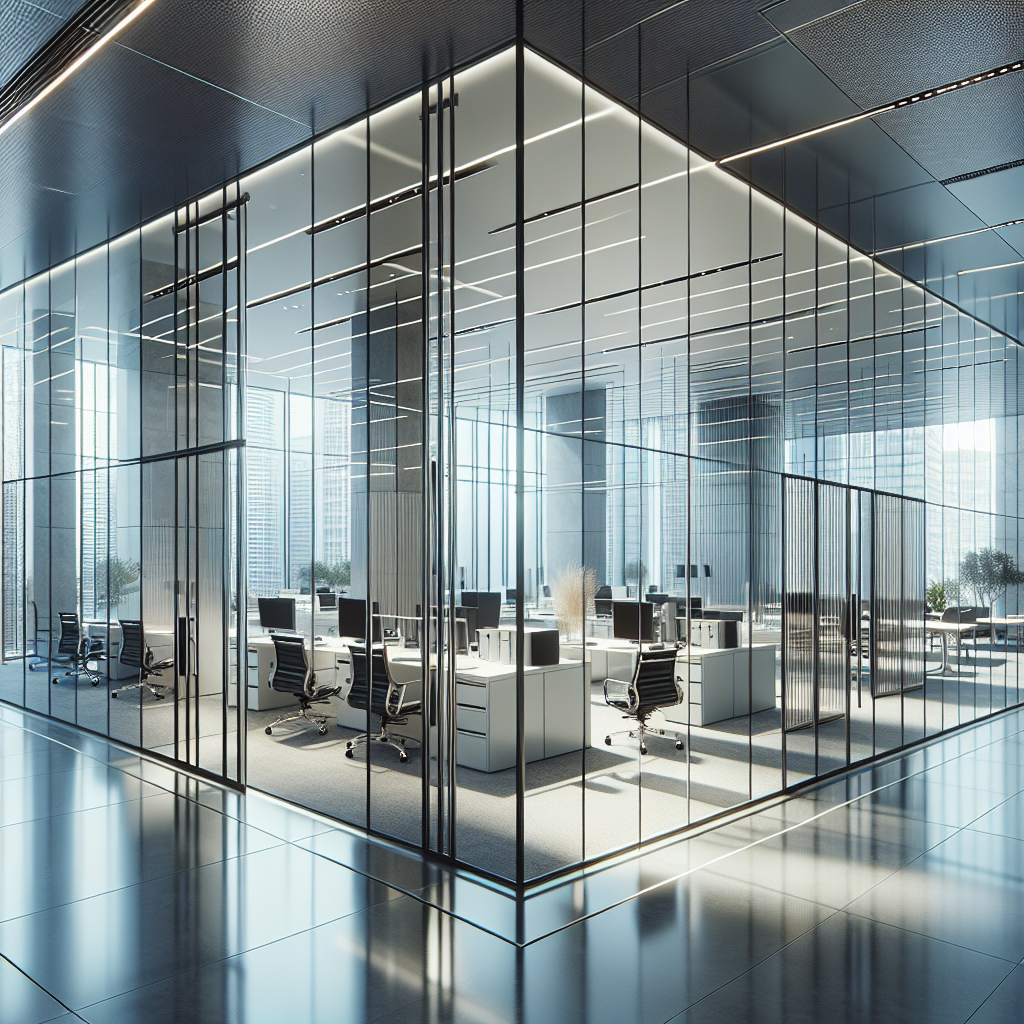
Enhancing Workplace Privacy: The Rise of Glass Office Partitions
Enhancing Workplace Privacy: The Rise of Glass Office Partitions
Picture this: you’re working in an open-concept office filled with an array of bustling voices, the occasional clatter of keyboards, and the unmistakable aroma of freshly brewed coffee. Yet, despite the energy, there’s a nagging sense of exposure. Conversations drift, and privacy feels like a fleeting luxury. It’s a relatable scenario, one many of us have encountered. The need for privacy in such environments is not merely a preference; it’s essential for focus, creativity, and even mental well-being.
This is where glass office partitions come into play—a stylish, modern solution to a persistent problem. Having witnessed the evolution of these partitions in various workplaces, I’ve come to appreciate how they revolutionize the concept of privacy without isolating individuals. Let’s dive into this transformation.
When I first encountered office spaces adorned with glass partitions, I was captivated by their aesthetic appeal. The clean lines, sleek design, and the way they seemed to elevate the entire environment struck me. But what really got me thinking was how these partitions strike a balance. They offer transparency while creating the necessary privacy that employees crave.
Imagine a team brainstorming session taking place behind frosted glass. The laughter and ideas escape the room but the participants feel contained, secure in their creative bubble. The sound doesn’t carry the same weight as it would if they were in the middle of an open office, making room for genuine exchange. It’s a phenomenon that many organizations are catching onto—understanding that privacy doesn’t have to equate to isolation.
One of the most profound impacts of glass partitions is how they influence interpersonal dynamics. When I stepped into a workplace that had recently implemented them, everything felt different. The air was charged with collaboration but also respect. Workers could step into their own spaces for calls, conversations, or deep work without feeling like they were retreating into an abyss. Instead, they emerged rejuvenated, engaged, more willing to share their thoughts with the team.
This experience reminded me of a cozy café, where you can sit near others but still enjoy a private moment with your laptop. You’re part of a community, yet you have your own little bubble. Glass partitions create that community feeling while still offering a layer of separation. They allow people to see one another and collaborate while maintaining their focus.
There’s also a psychological component to consider. Privacy in a workplace can enhance feelings of safety and belonging. I’ve spoken with colleagues who have found that merely having a small glass-walled room for quiet meetings improved their mental space. They weren’t isolated; they were merely afforded a moment of shelter from the cacophony of collaborative hustle. In psychology, this is often referred to as the “privacy paradox”—the desire for connection paired with the need for personal space.
Moreover, the implications for productivity are noteworthy. Several studies have suggested that when employees feel they have control over their work environment—whether through noise-canceling headphones or a quiet space separated by glass—they are more likely to engage deeply with their tasks. I’ve seen teams transform when they embrace this concept, going from scattered thoughts to concentrated contributions. Glass partitions don’t just enhance aesthetics; they elevate performance.
Let’s not overlook the design flexibility they offer. In a world where everyone seems to be seeking a unique workplace culture, glass partitions provide the canvas for it. They can be customized with different tints or textures, creating unique spaces that reflect the organization’s identity. One company I visited had even used colored glass to match their branding, seamlessly tying together the functional and the personal. The benefits of privacy extended beyond employee comfort; they fostered a sense of belonging and pride.
However, with all their advantages, there are hurdles to consider. Implementing glass partitions isn’t simply about aesthetics or even enhancing privacy; it’s about fostering a culture that values those things. Organizations need to communicate their intentions clearly. If employees feel that privacy measures are implemented without their input, it might backfire. Every workplace is different, and what works for one may not suit another. It’s essential to involve team members in the conversation about how to use space effectively.
As I reflect on the rise of glass office partitions, I’m struck by how they symbolize a shift in our understanding of workplace dynamics. We’re moving away from rigid structures and towards environments that are flexible, collaborative, and respectful of individual needs.
In conclusion, glass office partitions reflect a broader trend in our modern workplaces—a commitment to enhancing privacy while encouraging openness. They’re more than just a design feature; they’re a recognition of our multifaceted needs as we navigate work-related challenges.
The next time you find yourself in an office—whether enclosed by glass or open-air—take a moment to appreciate the balance being struck. It’s a delicate dance between transparency and privacy that’s reshaping how we work together. As we continue forward, let’s embrace this change, together creating spaces that honor our work, our well-being, and ultimately, our shared human experience.
.png) Share this post with others
Share this post with others


