
Translucent Trends: How Glass Office Walls are Redefining Modern Workspaces
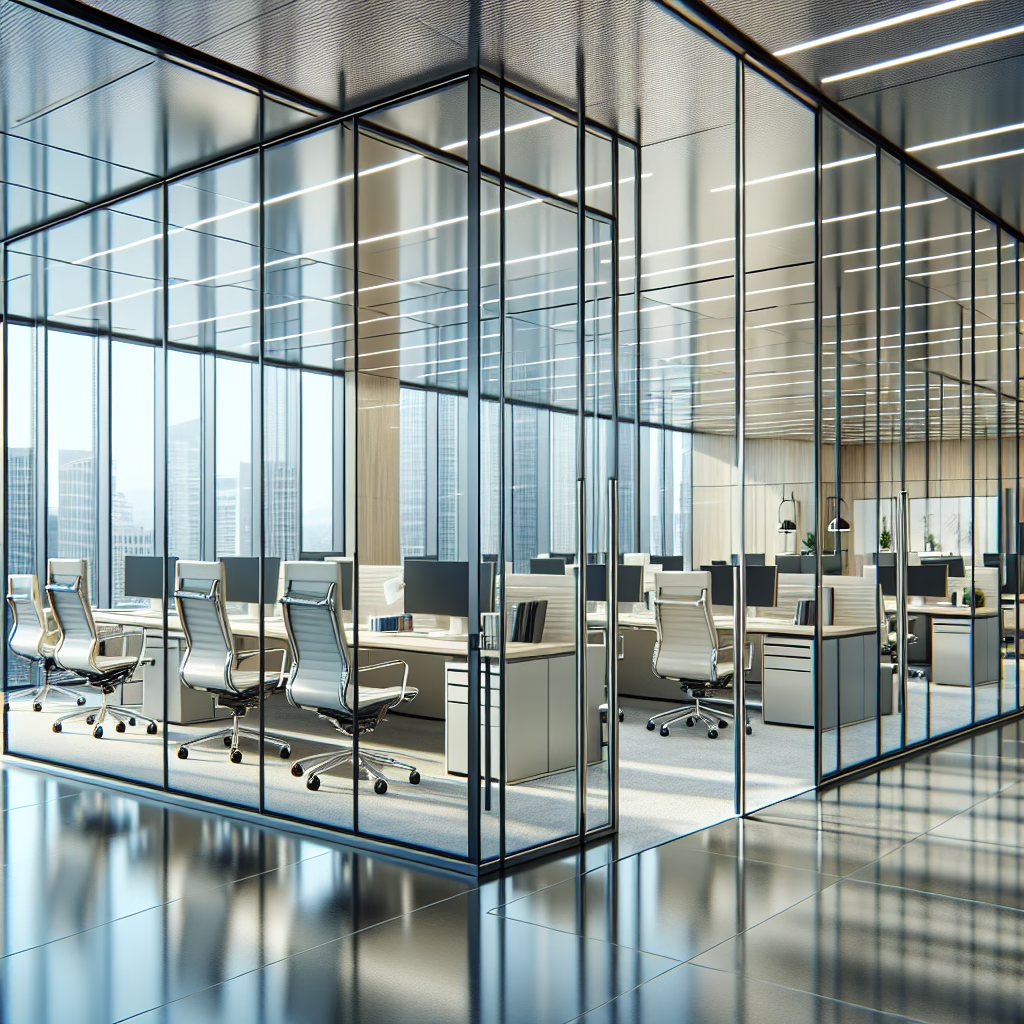
Translucent Trends: How Glass Office Walls are Redefining Modern Workspaces
Translucent Trends: How Glass Office Walls are Redefining Modern Workspaces
I still remember the first time I walked into a modern office filled with glass walls. The light poured in, illuminating the open spaces and creating a vibrancy that felt almost intoxicating. It was a stark contrast to the cubicles I had grown up with—those cramped, stiff environments draped in heavy fabrics and muted tones. I found myself marveling at how effortlessly glass could transform the way we work and interact with one another.
Glass walls are no longer just a trend; they’re becoming a staple in contemporary workspaces. The decision to use translucent materials does more than merely enhance aesthetics; it redefines our approach to collaboration, privacy, and the overall work experience. But let’s dig deeper into what these walls mean.
Light and Space
The first thing that strikes you about offices with glass walls is the way they handle light. Natural light spills in, creating a warm and inviting atmosphere. I’ve always believed that light has a transformative quality. It lifts your mood, sharpens your focus, and breathes life into mundane tasks. No longer are we confined to artificial overhead lights that hum monotonously. Instead, we can experience the subtle changes of daylight as it dances across the space.
As I walked through those glass-walled offices, I began to understand that this design choice was not just about aesthetics; it was a deliberate act to create a more dynamic and open environment. These walls foster a sense of connection among coworkers. When someone receives a call or joins a conversation, they don’t feel isolated—everything is visible, even if sound is somewhat contained.
Connectivity and Collaboration
In today’s work culture, collaboration is key. Glass walls facilitate this beautifully. When I witnessed teams brainstorming around conference tables made entirely of glass, it felt like boundaries had been removed. People leaned in, sharing ideas, gesturing animatedly—none of that awkwardness that often accompanies closed office doors.
I remember one project meeting where ideas were rapidly exchanged, and because everyone could see each other, our energy was contagious. The room buzzed with creativity, sparking inspiration in ways that enclosed spaces simply could not. Glass enables this kind of connectivity; it cultivates a culture ripe for collaboration.
Moreover, glass offices can help break down the hierarchical barriers that traditional walls invoke. When leaders sit in open spaces, surrounded by teams, it fosters an egalitarian spirit. Ideas flow freely when no one feels confined by walls. I’ve witnessed quiet team members become more vocal, buoyed by the transparency of their environment.
Privacy redefined
Now, you might wonder about the privacy aspect. Isn’t glass an open invitation for distractions? It’s a valid concern. Yet, what’s fascinating is how these spaces have developed a new understanding of privacy. When I entered one of the glass-walled conference rooms, the sheer glass didn’t feel invasive; it felt intentional.
Companies are now placing emphasis on the use of frosted glass or strategically designed partitions that allow for personal space, yet still enable light to filter through. I recall participating in a focused work session in a frosted glass room—it felt intimate but connected. We were still a part of the larger flow of the office, yet we were shielded enough to dive deeply into our tasks without feeling exposed.
It’s a balancing act; creating an environment that offers both openness and a level of intimacy. The use of glass encourages boundaries to become more flexible, allowing teams to navigate their needs based on the work at hand.
Brand Identity and Culture
Beyond the functional aspects, glass walls are also a statement about a company’s values. It’s revealing yet inviting; it tells employees and clients alike that transparency is paramount. As I’ve observed, organizations that have embraced this design are often those that prioritize culture and collaboration over individual silos.
Walking into those offices, I could gauge the corporate ethos easily. The openness of the space mirrored the openness of the leadership—there’s an authenticity that can’t be faked. Employees were not only confident in their shared space but empowered to engage with one another about their work and ideas.
I can’t help but reflect on how glass walls cultivate an atmosphere of accountability. With everyone visible, it shifts the lens from isolation to collective responsibility. It makes it harder to hide behind feelings of disengagement, nudging us all to be more present in our work… and in our relationships with colleagues.
Designing for the Future
As we inch toward a future where remote work and flexible schedules are becoming the norm, glass offices present an intriguing model. How do we maintain human connection when we’re often working from our living rooms or coffee shops? I suspect that in those future designs, we will continue to see glass playing a vital role—constructing spaces that people want to come back to, ensuring that collaboration remains physical and organic.
The fusion of technology with these designs enhances our experiences, too. Smart glass that can adjust transparency based on sunlight or time of day offers even greater flexibility while maintaining that coveted openness that this trend embraces.
In conclusion, glass office walls are not merely an aesthetic trend; they are a manifestation of the changing landscape in which we work. They foster connectivity, redefine our understanding of space, and shape a company’s culture in profound ways.
As I left that first glass-walled office, I could feel a new perspective settling in. It wasn’t just about the glass itself; it was about what it represented—a workplace that values light, connection, transparent leadership, and an openness to innovation. As we navigate the intricacies of modern work life, there’s something undeniably inspiring about looking through glass and not seeing walls but rather possibilities.
.png) Share this post with others
Share this post with others


